What to see in Palermo arriving by sea
First, on land
PALERMO
The story: the peoples who wanted her
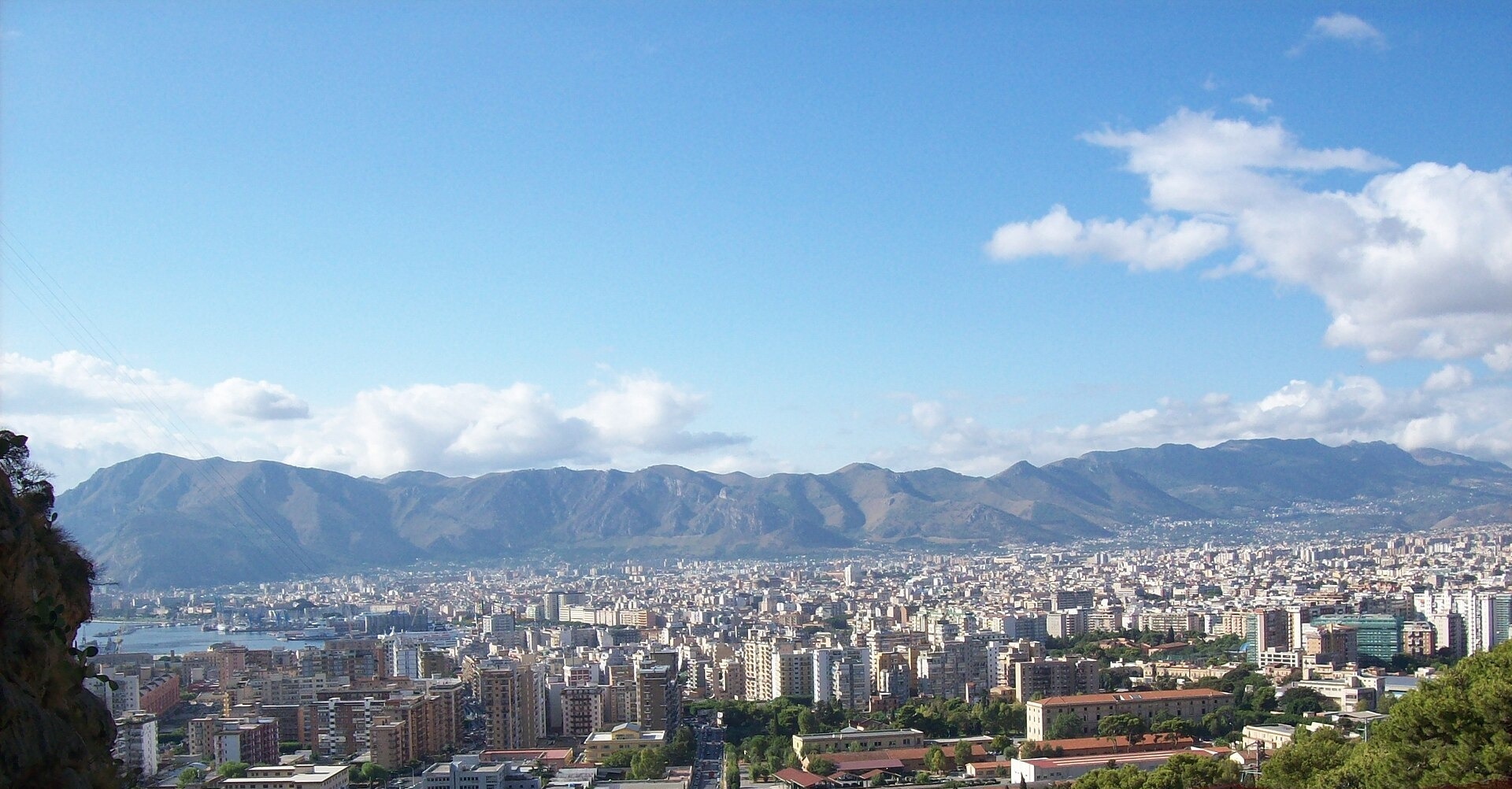
The Phoenicians founded her (8th century BC) and called her Ziz, "flower"; the Greeks named her Panormos, "all harbour". She was Carthaginian until 254 BC, then Roman for six centuries, Byzantine from 535. In 831 the Arabs made her the capital of their emirate: three hundred mosques, the water gardens, citrus, sugar cane, couscous and the cassata were all born here; the Kalsa, al-Khāliṣa, was the emir's citadel. In 1072 the Normans of Robert Guiscard and Roger took her without destroying her: Roger II, crowned king in 1130, had the Palatine Chapel built by Arab, Greek and Latin craftsmen — three worlds under a single ceiling, inscribed by UNESCO in 2015.
Then came the Swabian Frederick II, Stupor Mundi, the wonder of the world: raised among the Arab alleys of Palermo, King of Sicily at three and Emperor at twenty-six, he spoke six languages, wrote a treatise on falconry, founded the Sicilian School of poetry from which the Italian language was born, and from Palermo ruled an empire stretching from the Baltic to Jerusalem. He sleeps in the Cathedral, in a sarcophagus of red porphyry, beside Roger II and Constance of Hauteville. After him the Angevins, driven out in 1282 by the Sicilian Vespers; the Aragonese and the Spanish for four centuries (the markets, the Baroque, the Vucciria); the Bourbons, with the Chinese Villa and the Teatro Politeama; Garibaldi, who entered through Porta Termini on 27 May 1860. And finally the Florios, who conquered Palermo not with arms but with ships, wine and tuna fisheries — and it is from their home that LUX sets sail.
Not to be missed
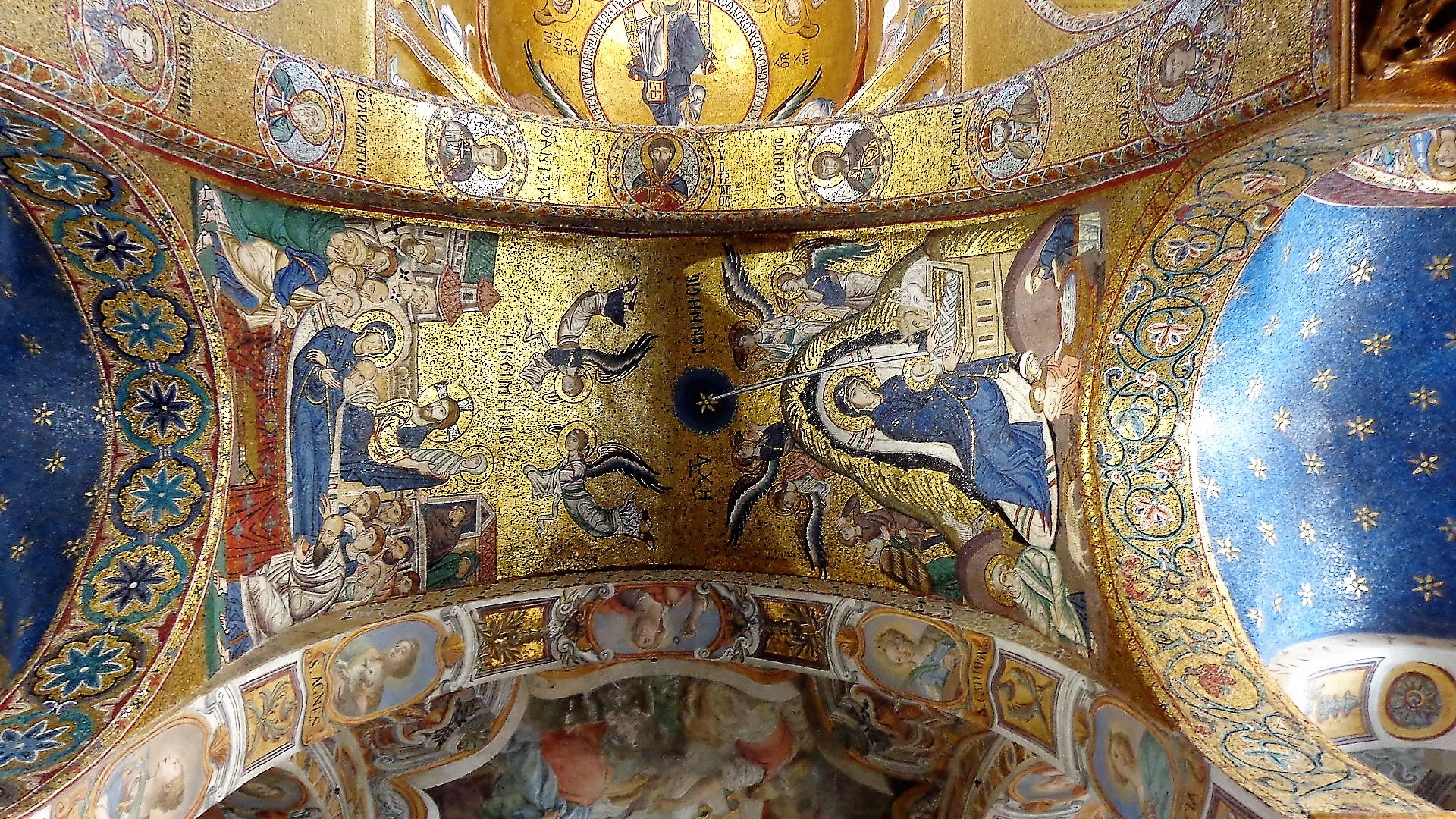
- Cappella Palatina (Palazzo dei Normanni) — commissioned by Roger II, consecrated in 1140: golden Byzantine mosaics and a muqarnas ceiling by Fatimid craftsmen, unique in a Christian church. The palace is the oldest royal residence in Europe. 2 hours
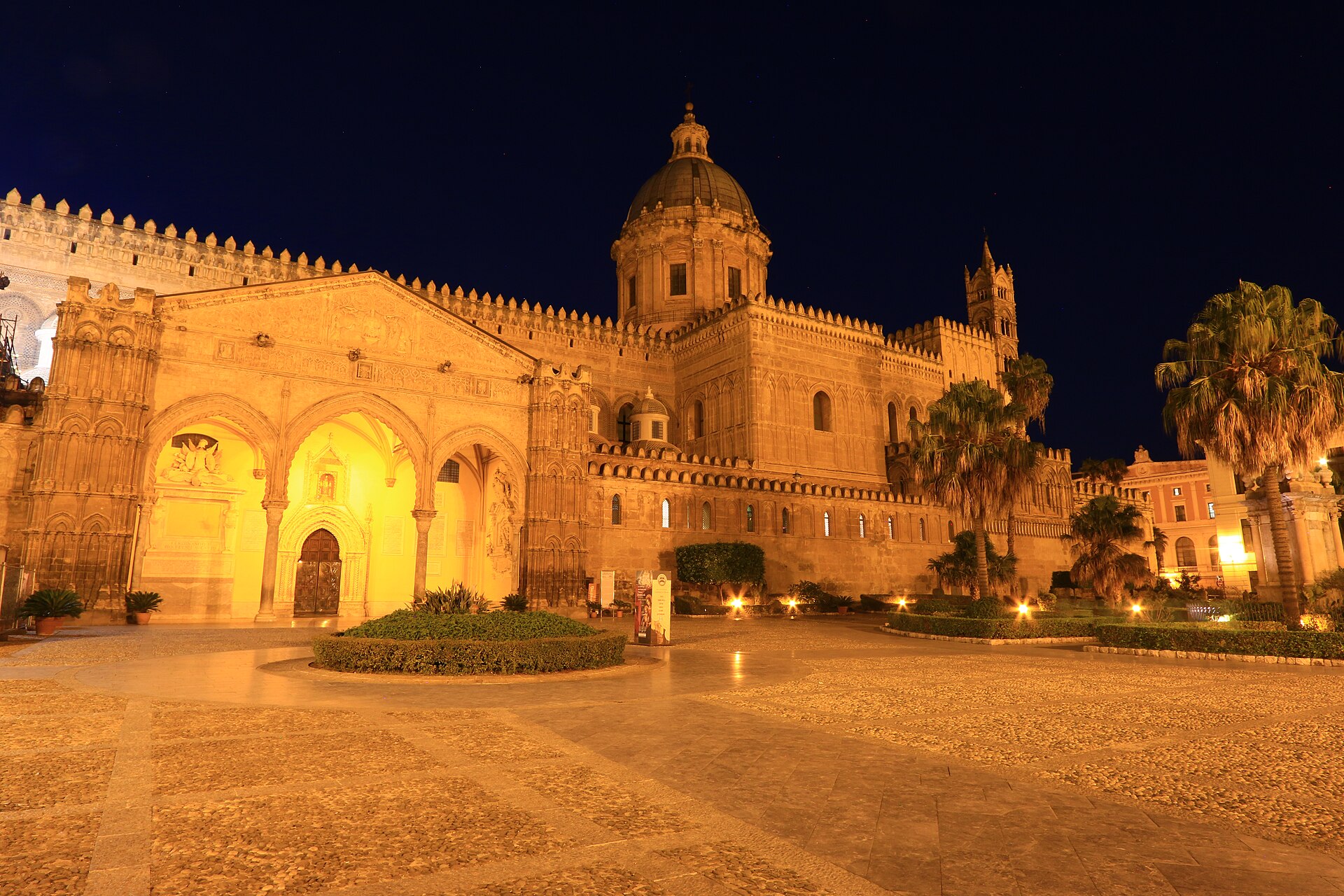
- Cathedral — 1185; inside, in porphyry tombs, Frederick II and Roger II. 1 hour
- Monreale — William II's cathedral (1172): 7,500 m² of mosaics, the largest cycle after Hagia Sophia, and the cloister. half a day
- La Martorana — the mosaic of Roger crowned by Christ, 1143.
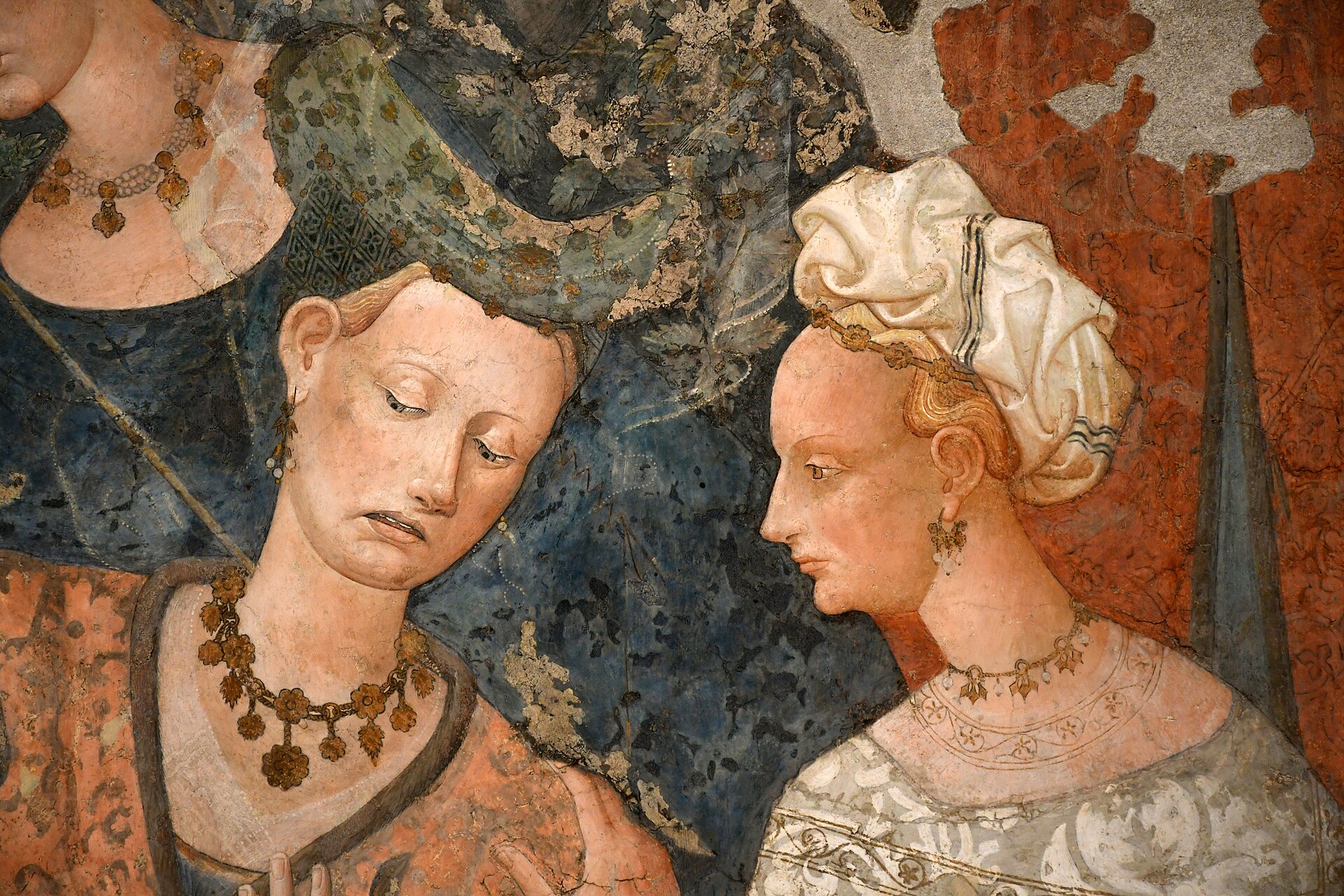
- Palazzo Abatellis — the Triumph of Death and Antonello da Messina's Annunciata.
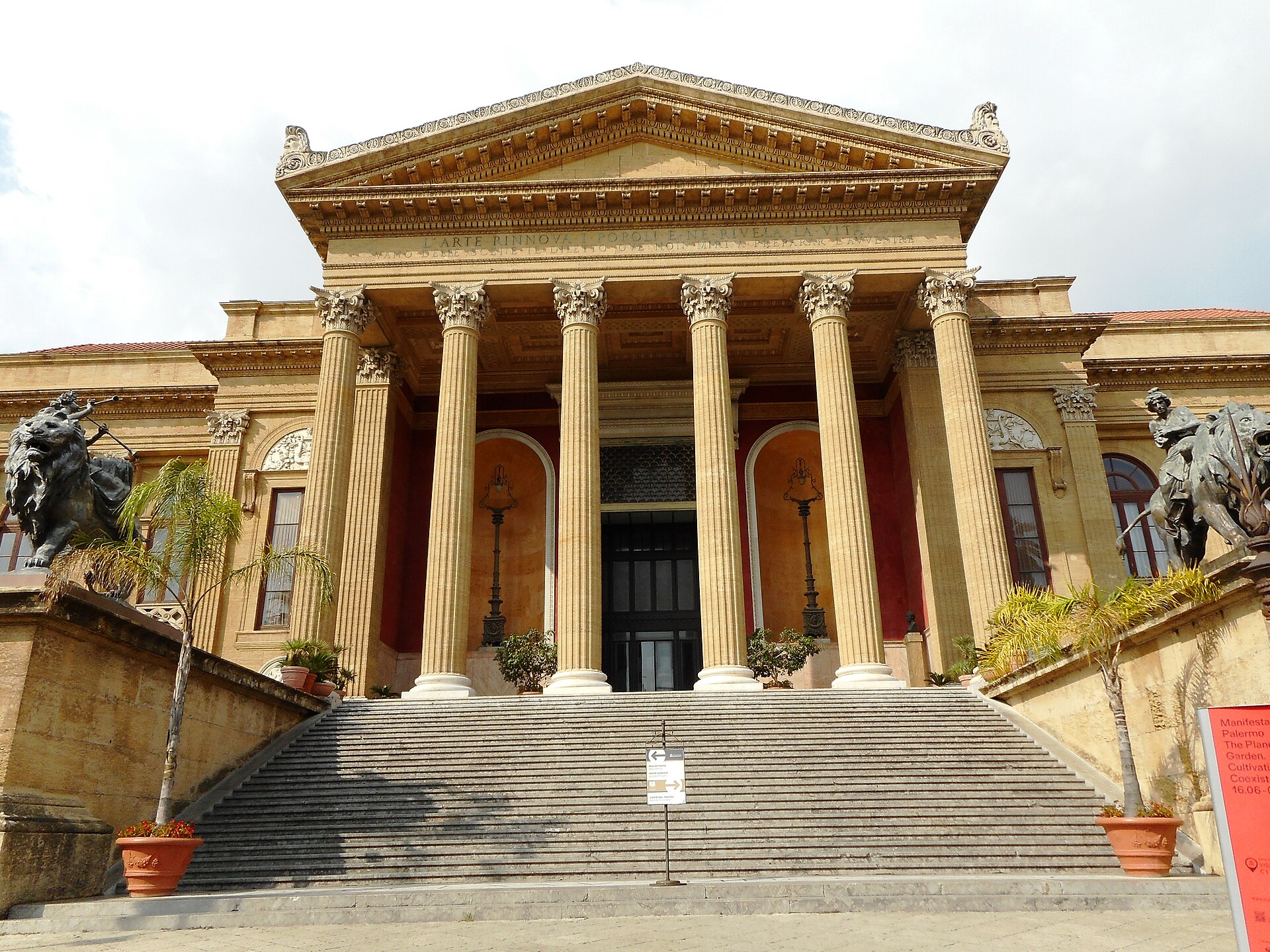
- Museo Salinas — the metopes of Selinunte. Teatro Massimo — Italy's largest opera house; the final staircase scene of The Godfather Part III.
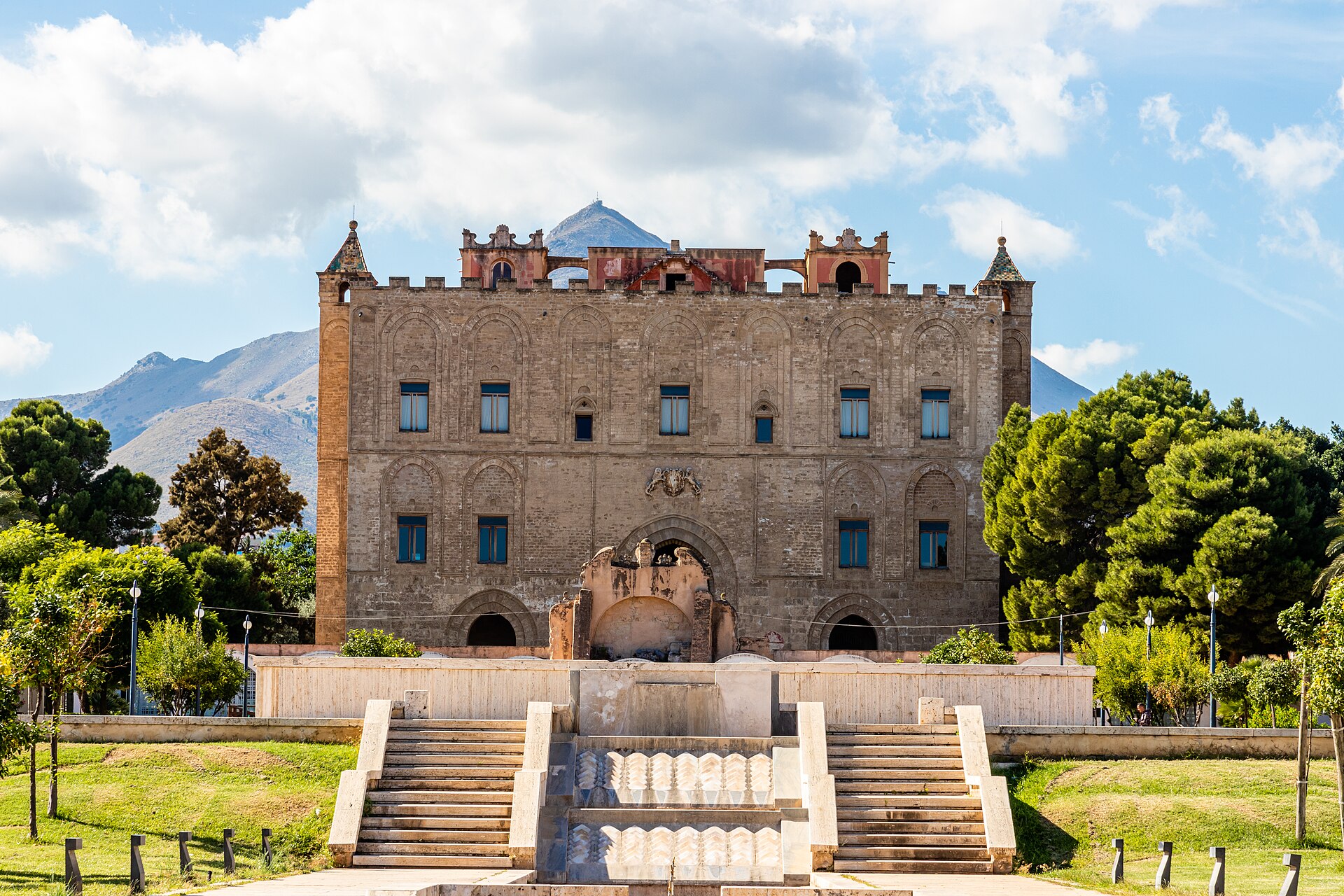
- La Zisa — "the splendid one", 1165, the kings' summer palace with Islamic art within.
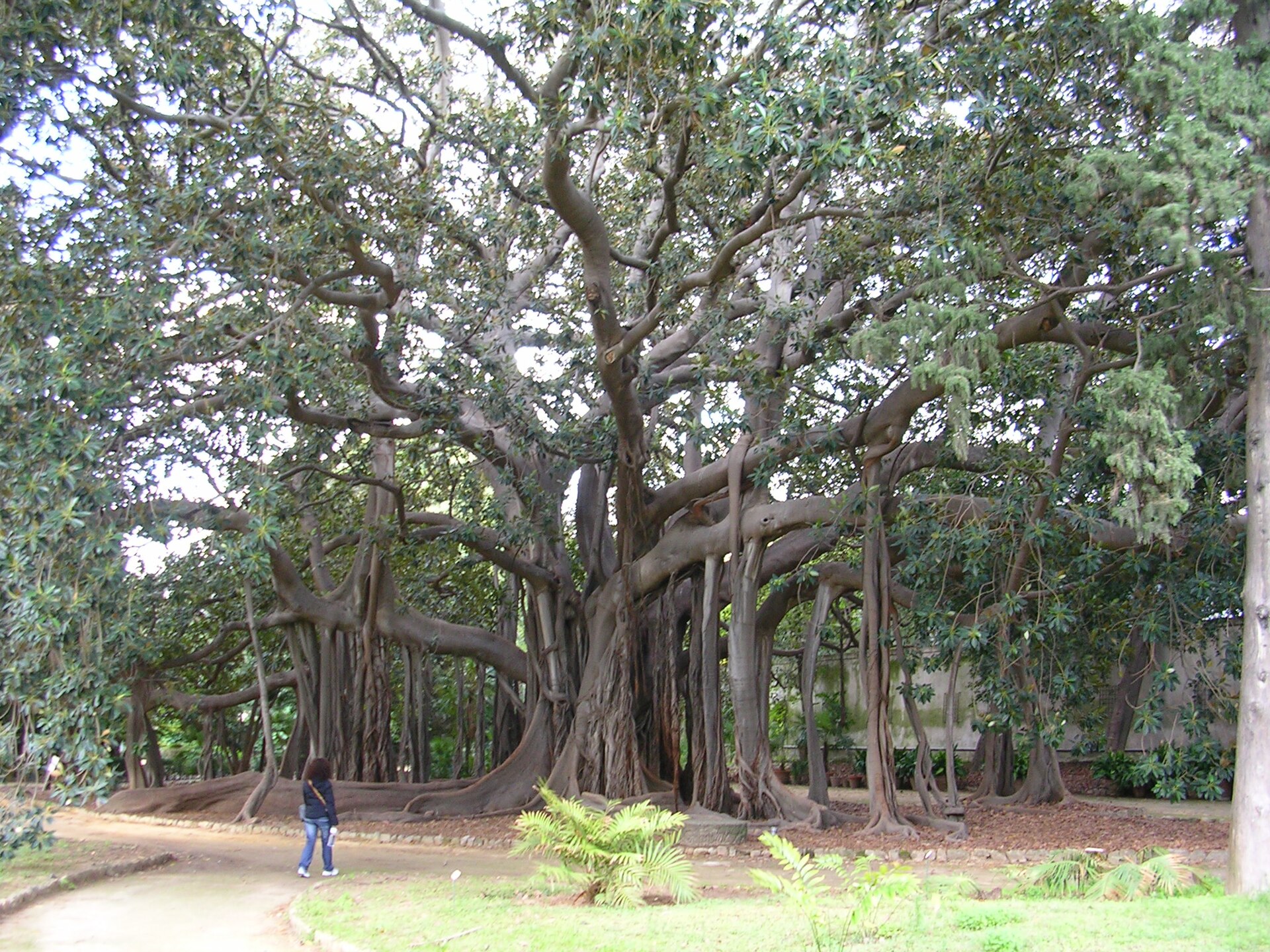
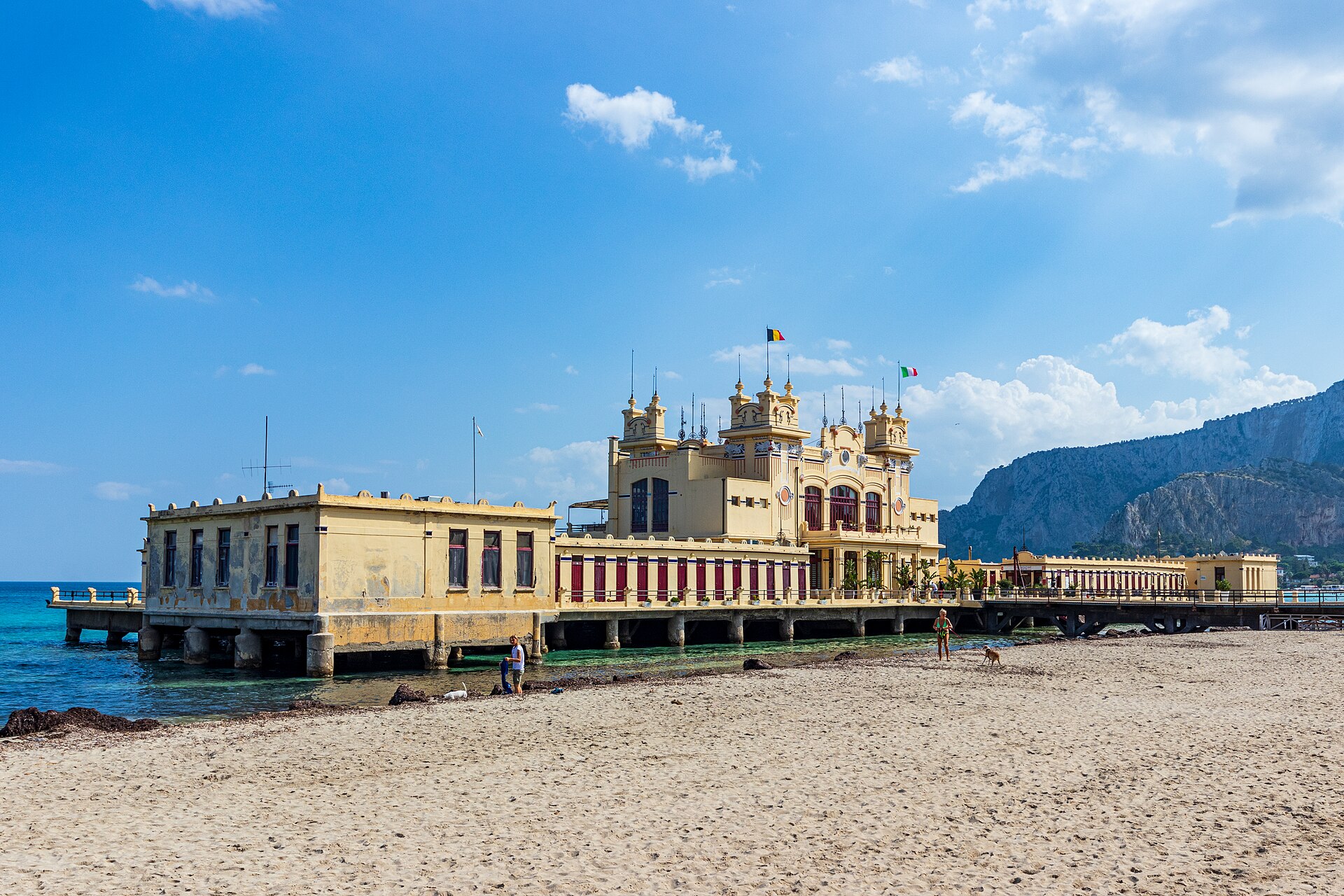
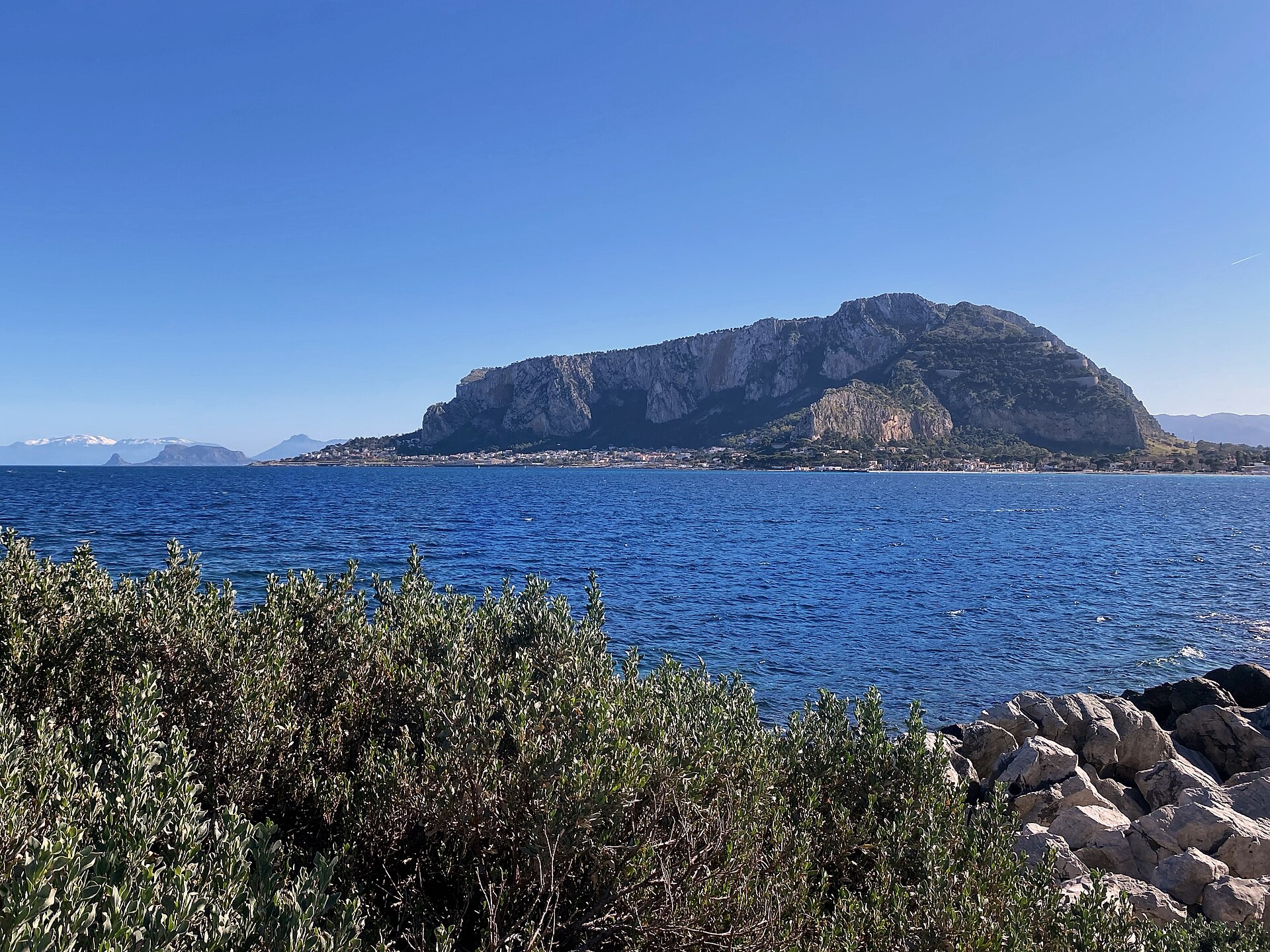
- Orto Botanico (1789) and its 1845 ficus, as wide as a piazza. Mondello and the Art Nouveau Charleston bathing pavilion (1913), one mile from LUX.
What you absolutely must eat
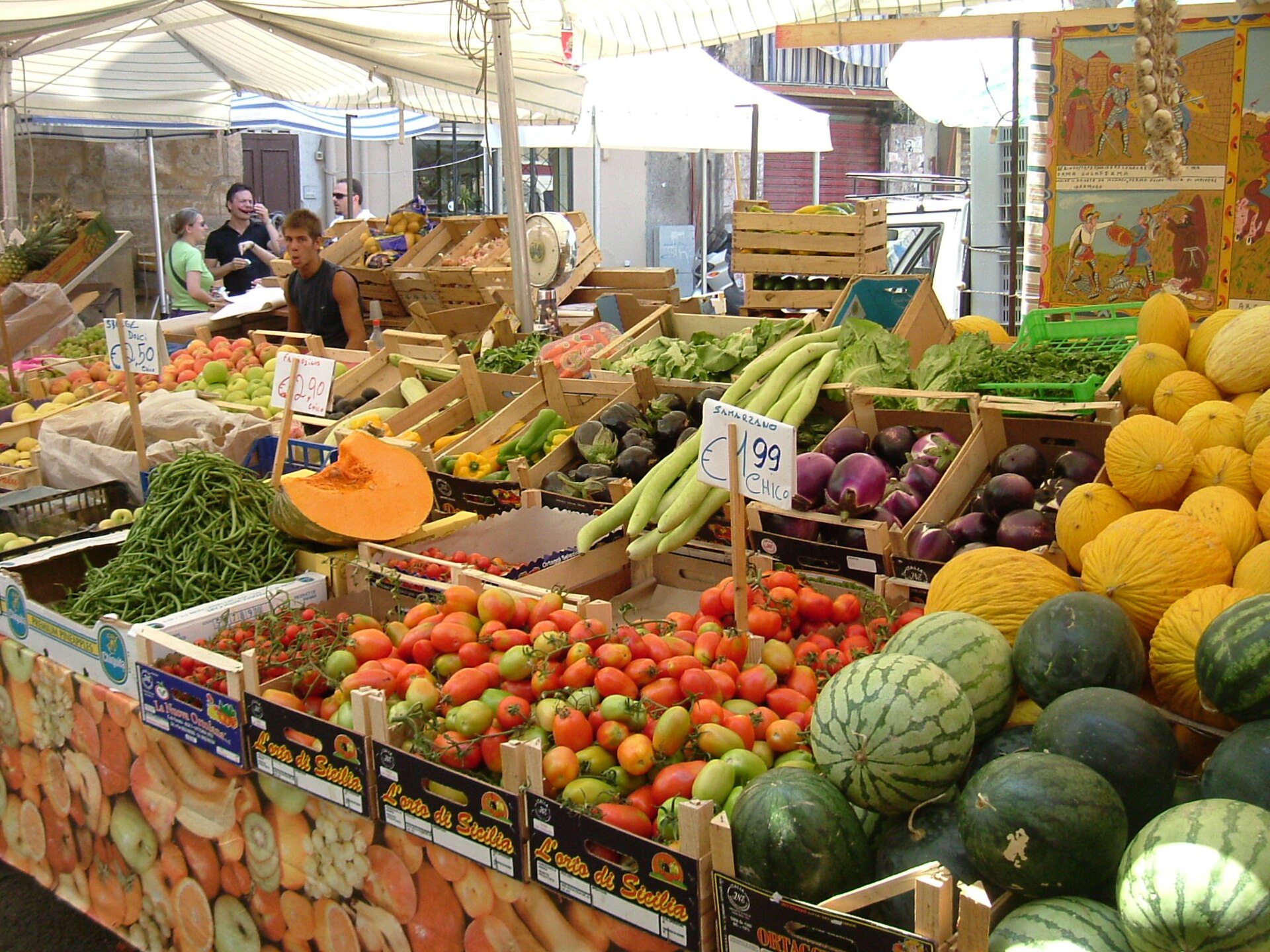
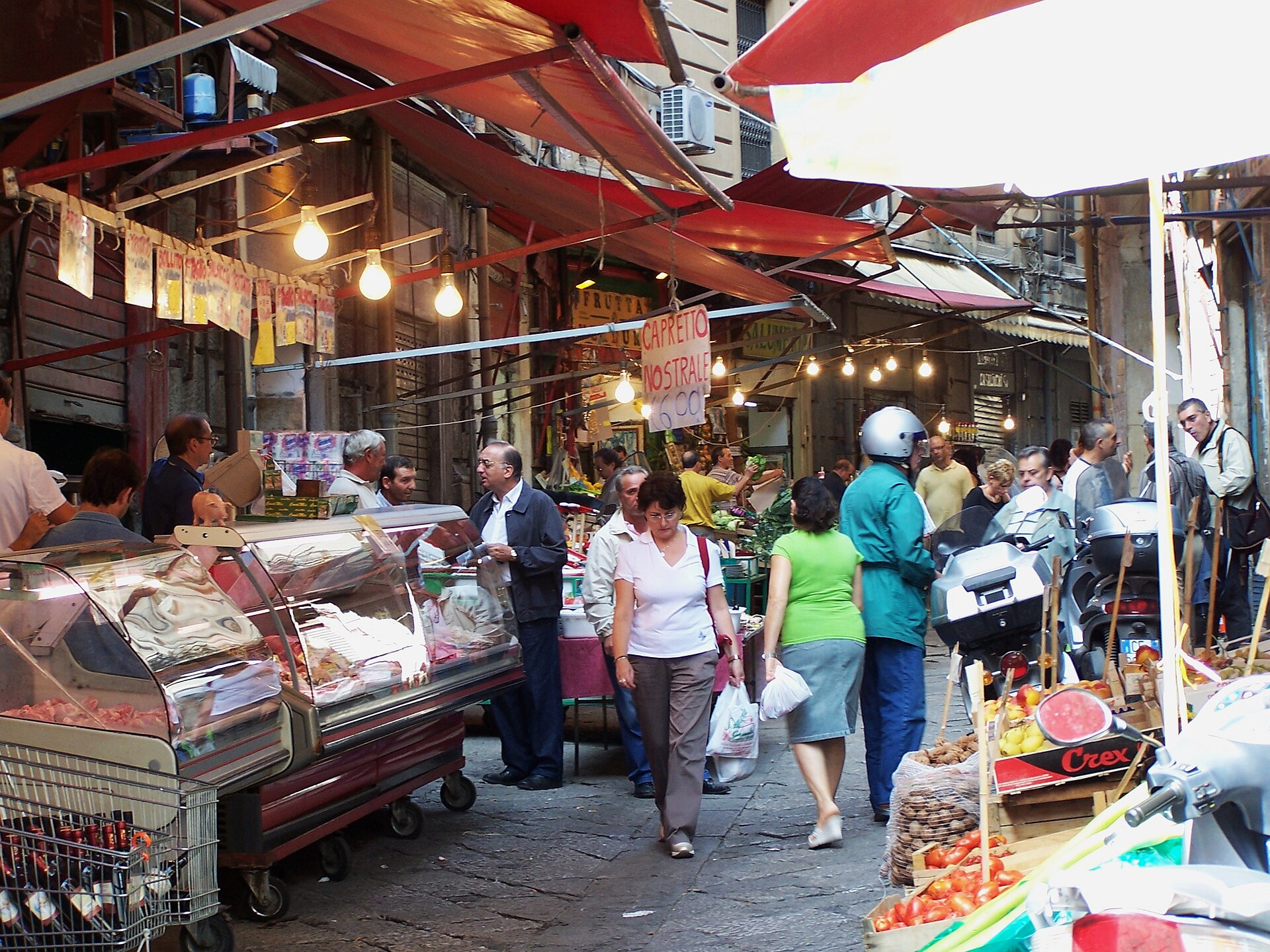
- In the markets — Ballarò (the oldest), il Capo, la Vucciria by night: chickpea panelle, arancine (saffron rice balls), sfincione (Palermo's thick focaccia), pane ca meusa (the spleen sandwich: "schietta" plain or "maritata" with cheese), stigghiola grilled over charcoal.
- Antica Focacceria San Francesco, 1834, in a deconsecrated chapel. Pasticceria Cappello since 1950: cassata, cannolo, Setteveli. Cappadonia: gelato in a brioche col tuppo.
- To drink: the whites of the DOC Monreale — Catarratto, Grillo — and Perricone; Tasca d'Almerita's Regaleali estate is an hour and a half away.
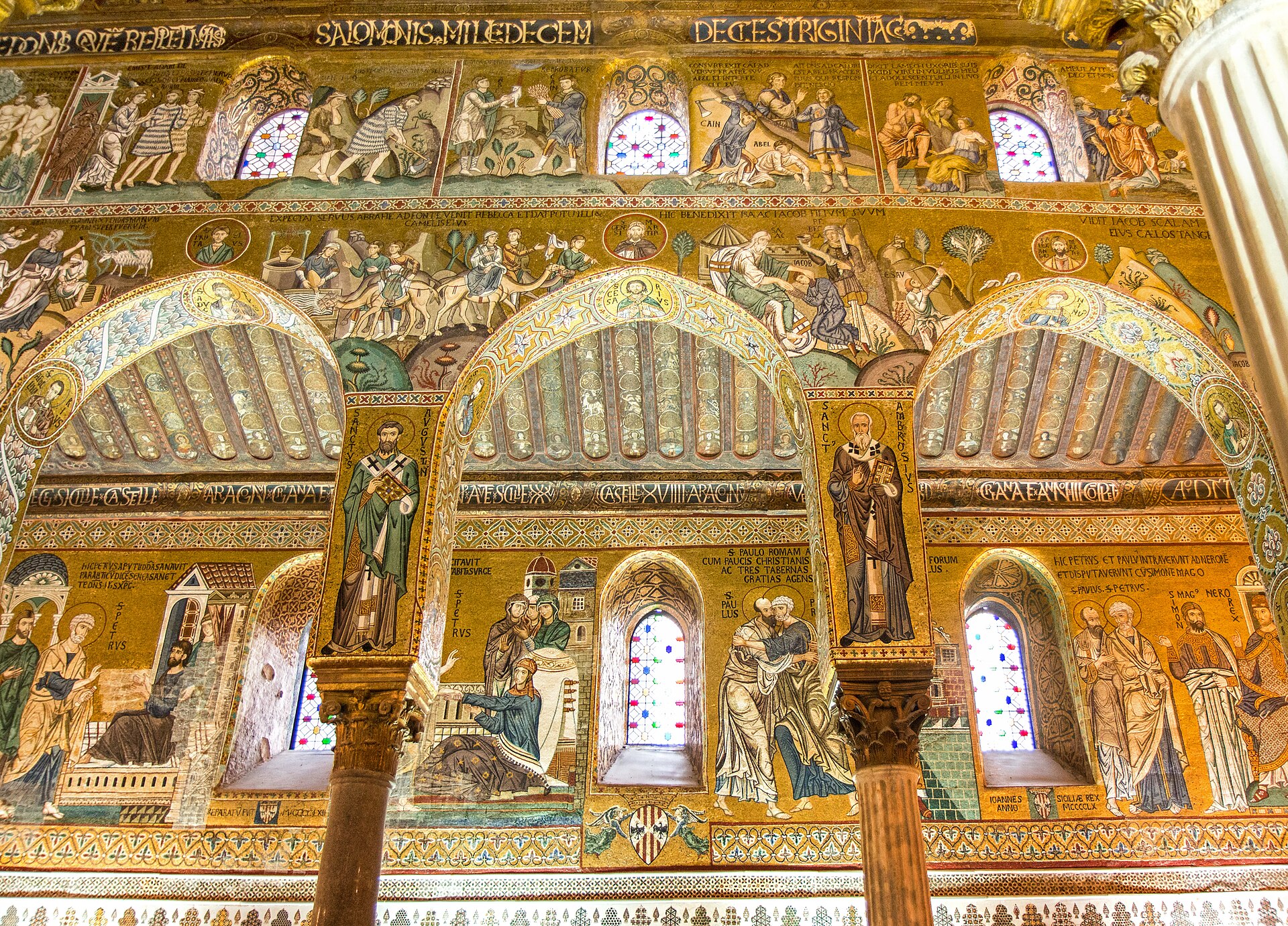
Morning
Palazzo dei Normanni, the Cathedral, then il Capo market for an arancina.
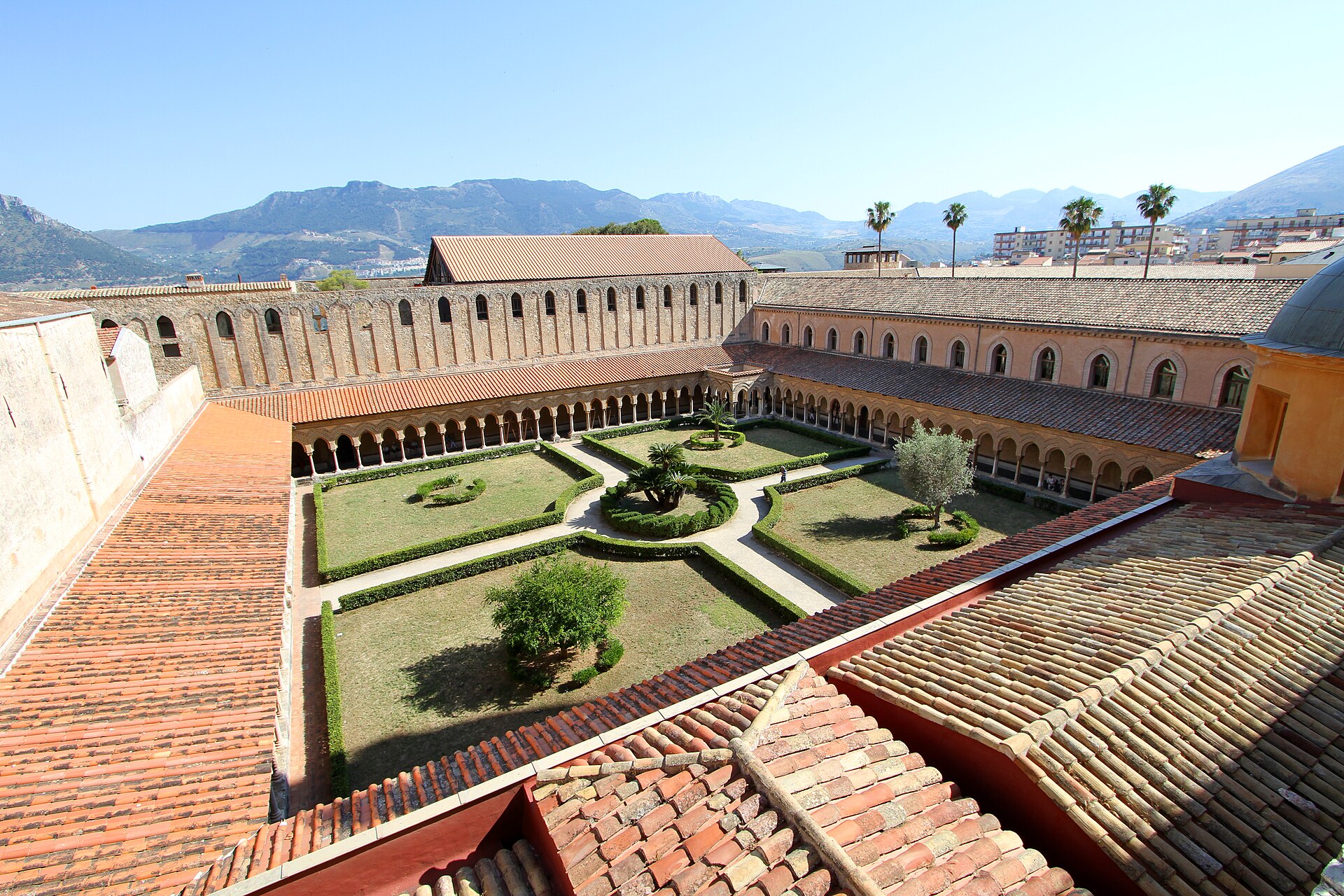
Afternoon
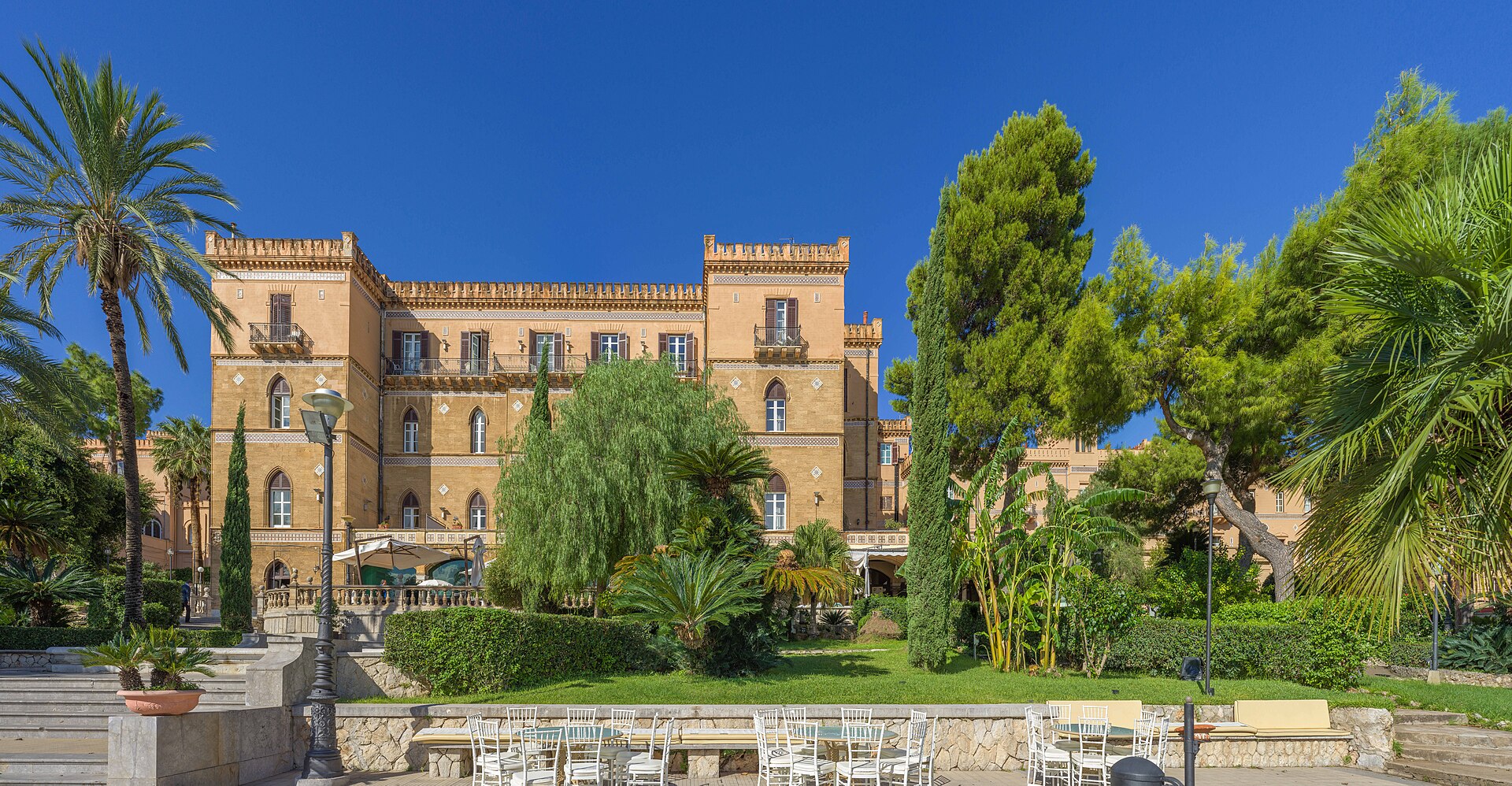
Monreale, then back to Villa Igiea: aperitivo on LUX's flybridge, prepared by the hostess.
Evening
The Vucciria and dinner at one of the tables listed below. You sleep on board, in the marina.
Keep reading
- Palermo in the age of the Florio family
- Aeolian Islands charter
- Egadi boat charter
- Where Christopher Nolan filmed The Odyssey in Sicily
- Sicilian dishes you should not miss
- Sicilian wines
- Sicilian desserts, from the Arabs to the convents
- Where to eat in Palermo and the islands
- The Bali 4.6 catamaran
- How much a catamaran charter in Sicily costs