Palermo in the age of the Florio family
Home port
PALERMO IN THE AGE OF THE FLORIOS
In 1799 two brothers from Calabria open a spice shop at the Vucciria market. A century later their name is on the ships crossing the Mediterranean, on the bottles of Marsala, on the tuna fisheries of the Egadi Islands, on the foundry smoking at the Cala. The Florios are not merely the richest family in the South: they are the reason why, for twenty years, Europe looks to Palermo.
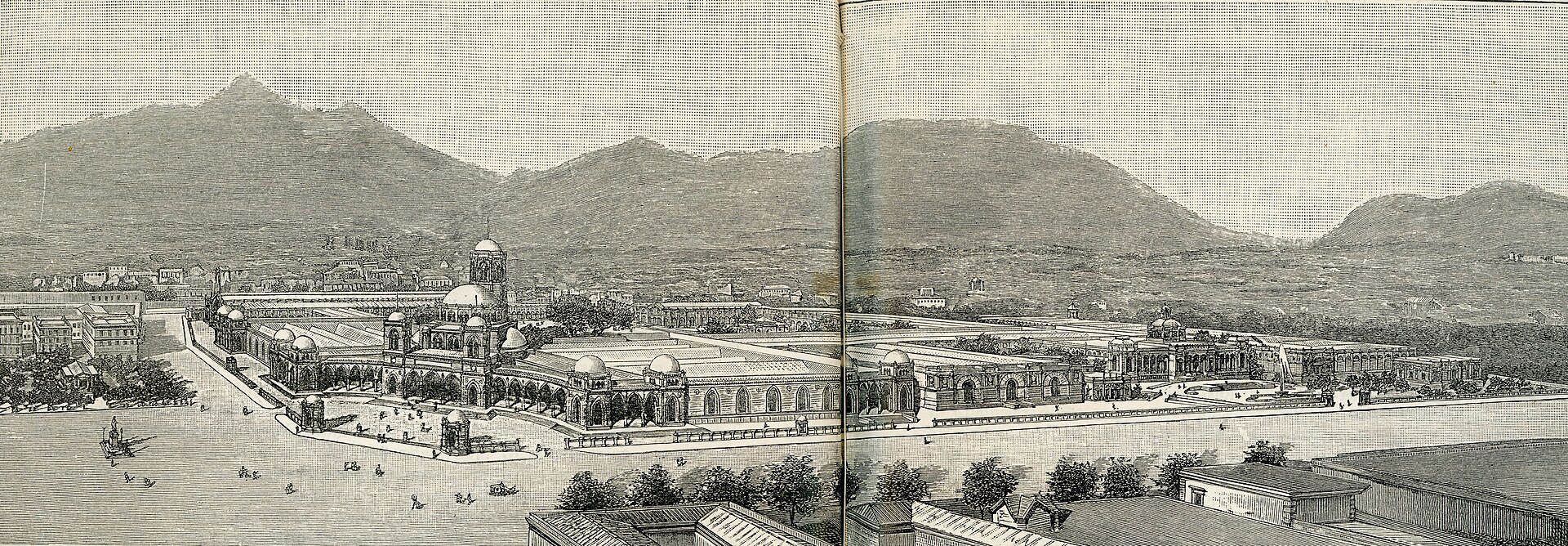
The Belle Époque
In 1891 the National Exhibition sets the city alight with Ernesto Basile's Moorish pavilions: over a million tickets. In 1897 the Teatro Massimo raises its curtain on Falstaff, the third-largest opera house in Europe. Wagner has just finished Parsifal in a mirrored room at the Grand Hotel des Palmes. And at the Olivuzza, among peacocks and greenhouses, Donna Franca Florio receives Kaiser Wilhelm II wearing a seven-metre string of pearls: he calls her the "Star of Italy", the Palermitans call her "the queen".
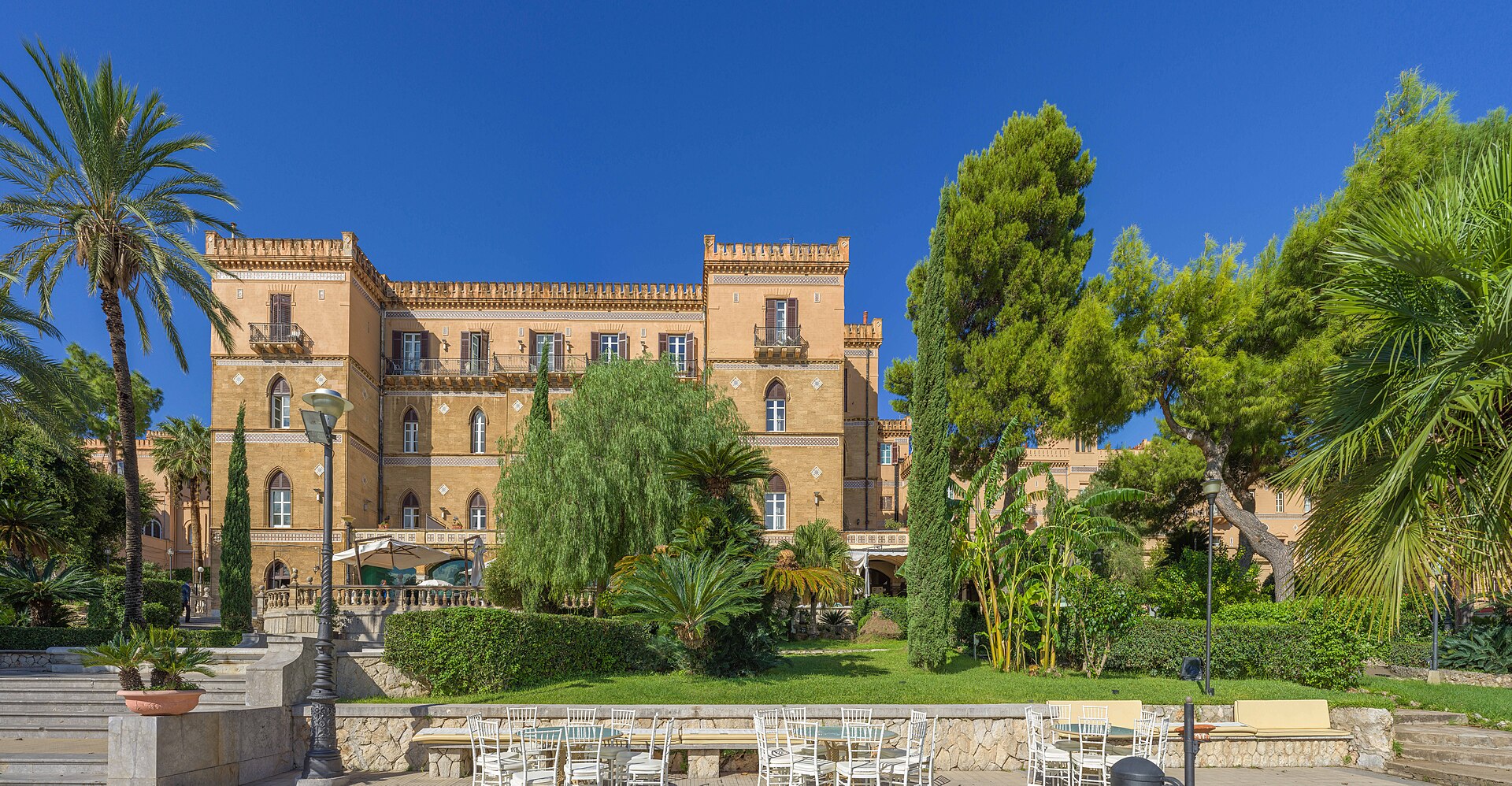
Villa Igiea, 1900
In 1899 Ignazio Florio buys the neo-Gothic villa of an English admiral at the Acquasanta. It was meant to be a sanatorium; it becomes the grand hotel that Basile designs down to the last chair and that De Maria Bergler dresses in springtime in the Hall of Mirrors. In April 1907 Edward VII and Queen Alexandra lunch here, having landed from the Victoria & Albert; Boldini stays here to paint the portrait of Donna Franca that will travel the world; the King of Siam passes through, the last great guest before the war. Later, in the second half of the twentieth century: Onassis and Callas, Grace Kelly, Burt Lancaster and Claudia Cardinale during the filming of The Leopard. Since 2021 it belongs to Rocco Forte. LUX is moored at the pier below the villa.
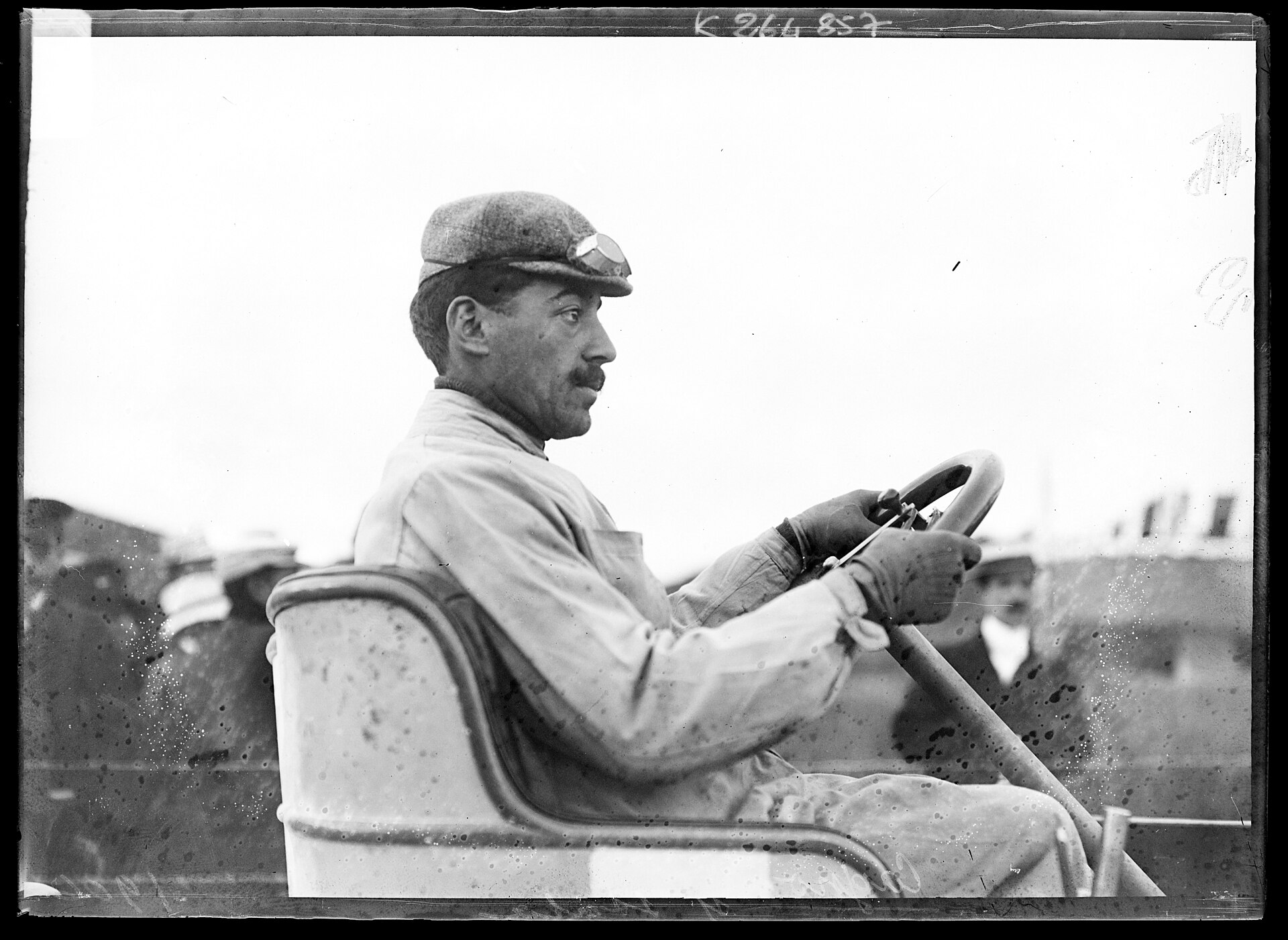
The Targa Florio
On 6 May 1906, at six in the morning, ten cars set off from Buonfornello for three laps of the Madonie mountains: 446 kilometres, two thousand bends per lap, tar laid on the roads against the dust. Alessandro Cagno wins in an Itala in nine and a half hours, at 47 km/h. It was invented by Vincenzo Florio, the younger brother, and it is the oldest race in the world: Nuvolari, Varzi, Moss, Porsche eleven times, and Nino Vaccarella, "the flying headmaster" of Palermo, three wins. The drivers were regulars at Villa Igiea. The museum is at Collesano, in the Madonie; the re-enactment runs every May.
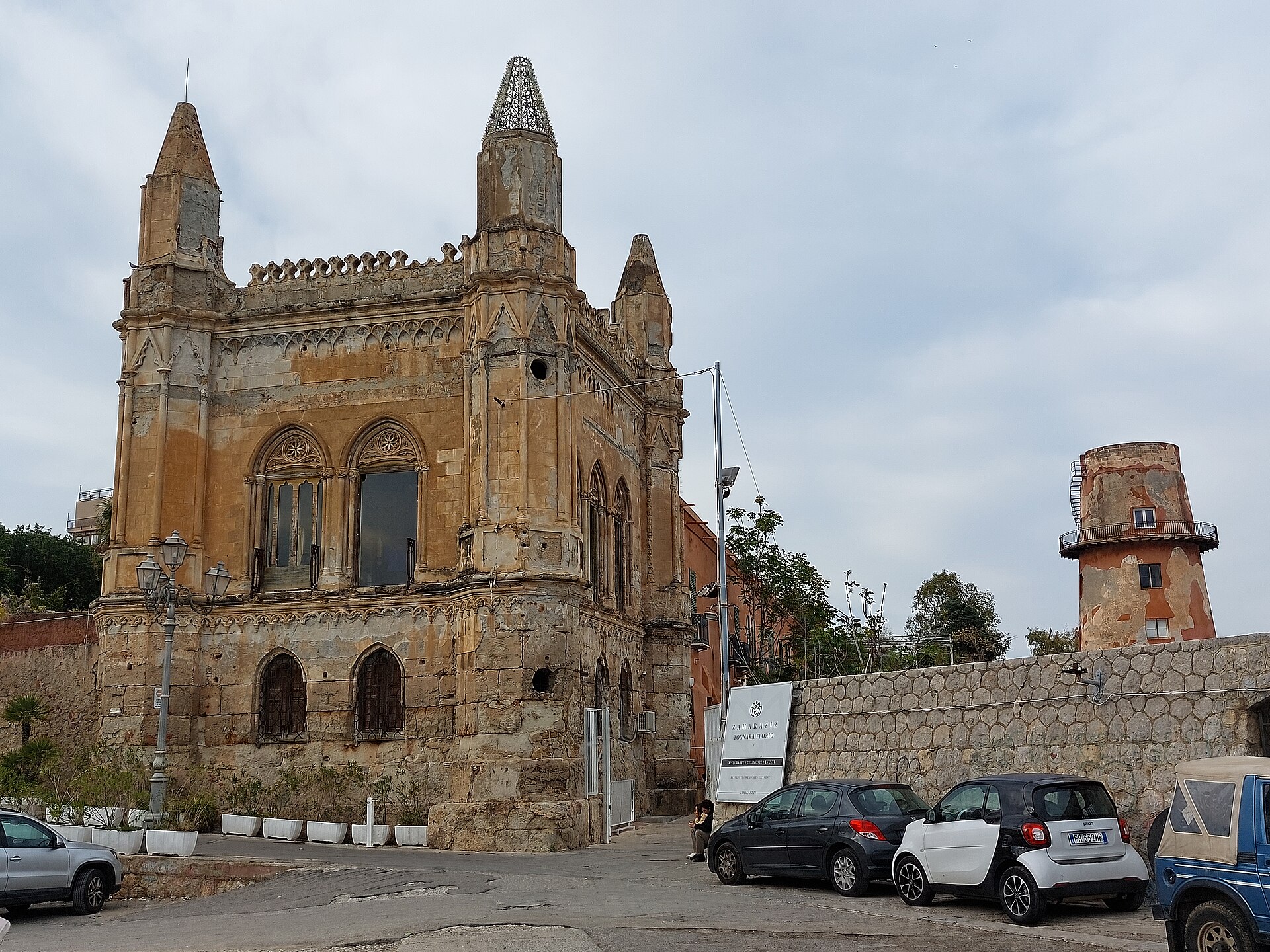
The tuna fishery, one kilometre away
Just beyond the headland, at the Arenella, the Florio tonnara (tuna fishery) still gazes over the gulf with the Palazzina dei Quattro Pizzi (1844), the neo-Gothic castle Vincenzo Florio had Carlo Giachery build for him: Tsar Nicholas I and the Tsarina came in 1845 and wanted a copy of it at Peterhof. Today it can be visited with the Casa Florio association: from the flybridge of LUX you can see its roof. Further on, beneath Monte Pellegrino, the tonnara of Vergine Maria where Luchino Visconti lived. And the shipyard Ignazio founded in 1897 lies a few metres from the marina.
Sailing today from Marina Villa Igiea means leaving from that very same pier. The Kaiser and the Queen have gone; the sea, the light of Monte Pellegrino and that certain idea of elegance have stayed exactly where the Florios left them.
Keep reading
- What to see in Palermo arriving by sea
- Aeolian Islands charter
- Egadi boat charter
- Where Christopher Nolan filmed The Odyssey in Sicily
- Sicilian dishes you should not miss
- Sicilian wines
- Sicilian desserts, from the Arabs to the convents
- Where to eat in Palermo and the islands
- The Bali 4.6 catamaran
- How much a catamaran charter in Sicily costs