LUX Catamaran Sicily: Bali 4.6 charter in the Aeolian and Egadi Islands
Sicily isn't visited: it's tasted, poured, and sailed.
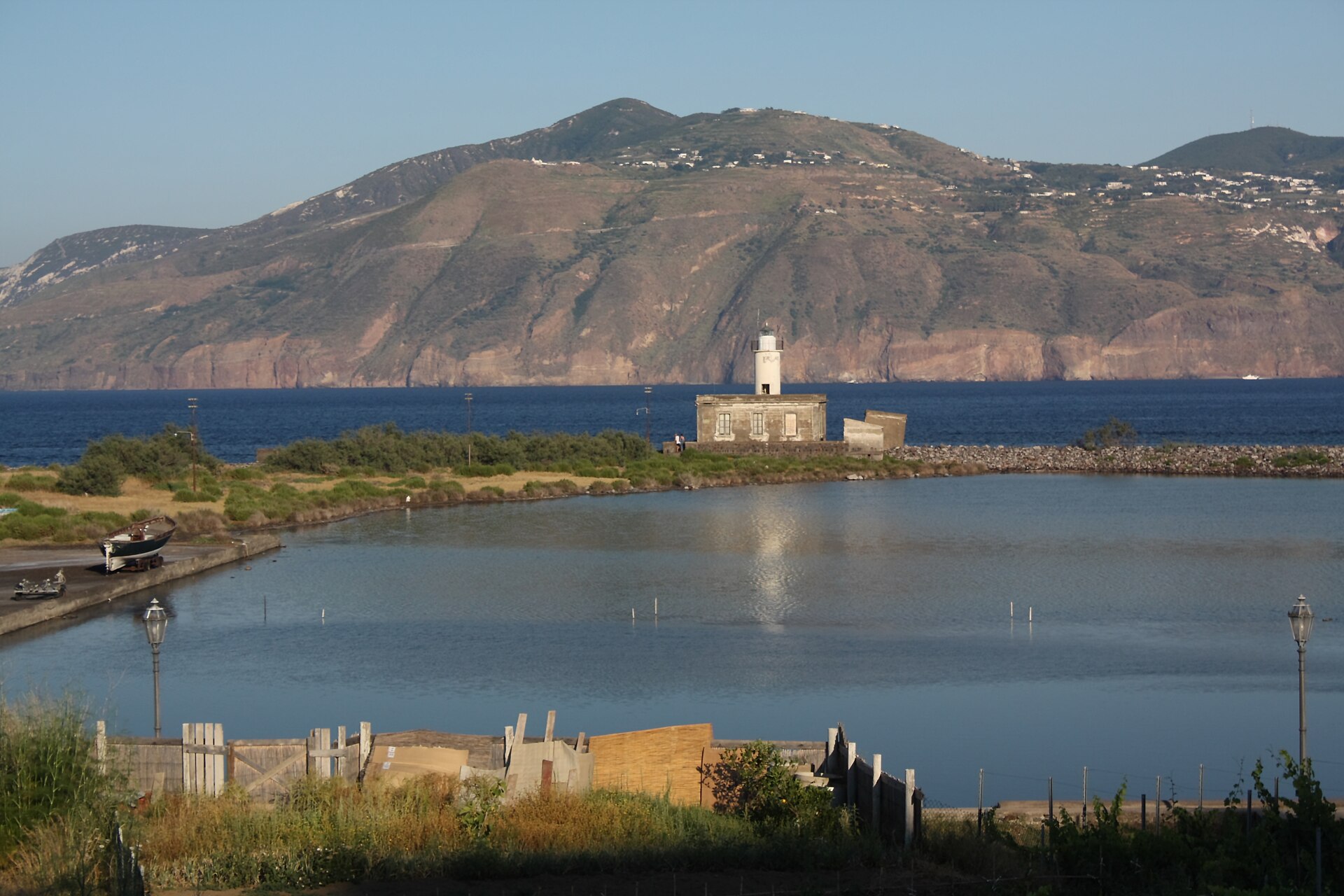
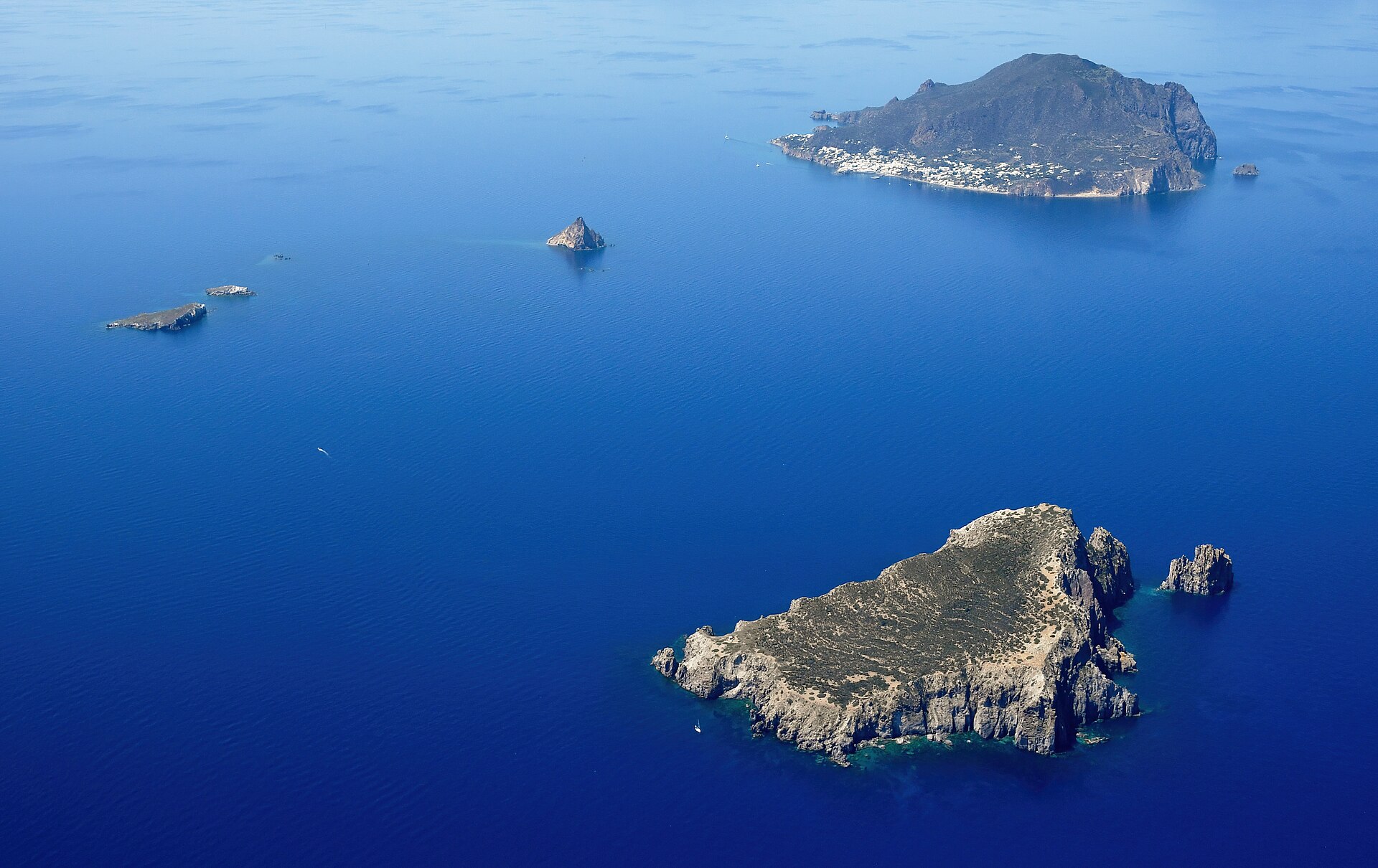
Sicily charter from Palermo: private boat charter with skipper and hostess. Eolian boat charter to Stromboli, Panarea and Salina, Egadi boat charter to Favignana, Levanzo and Marettimo, and sailing holidays along the Sicilian coast.
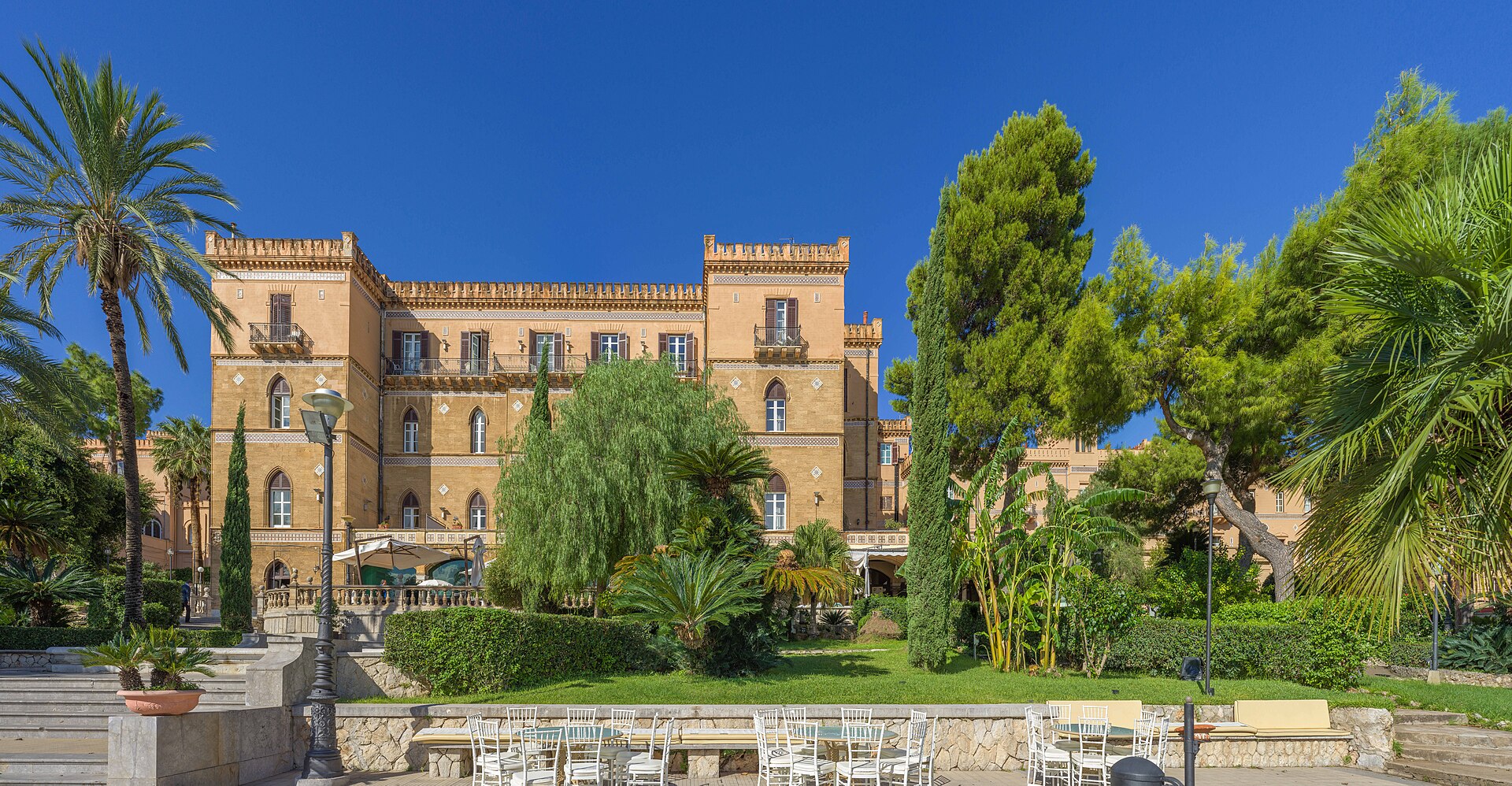
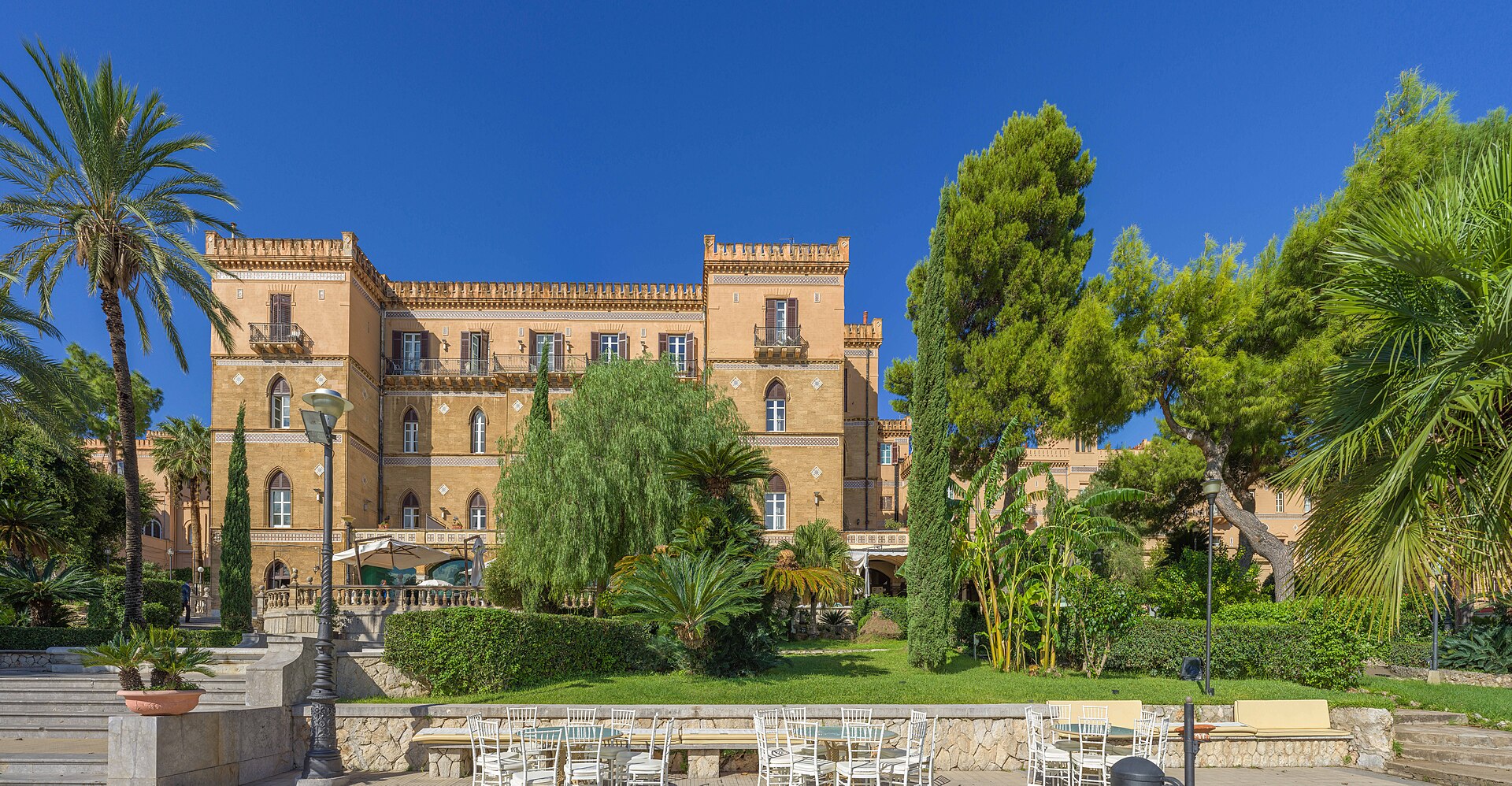
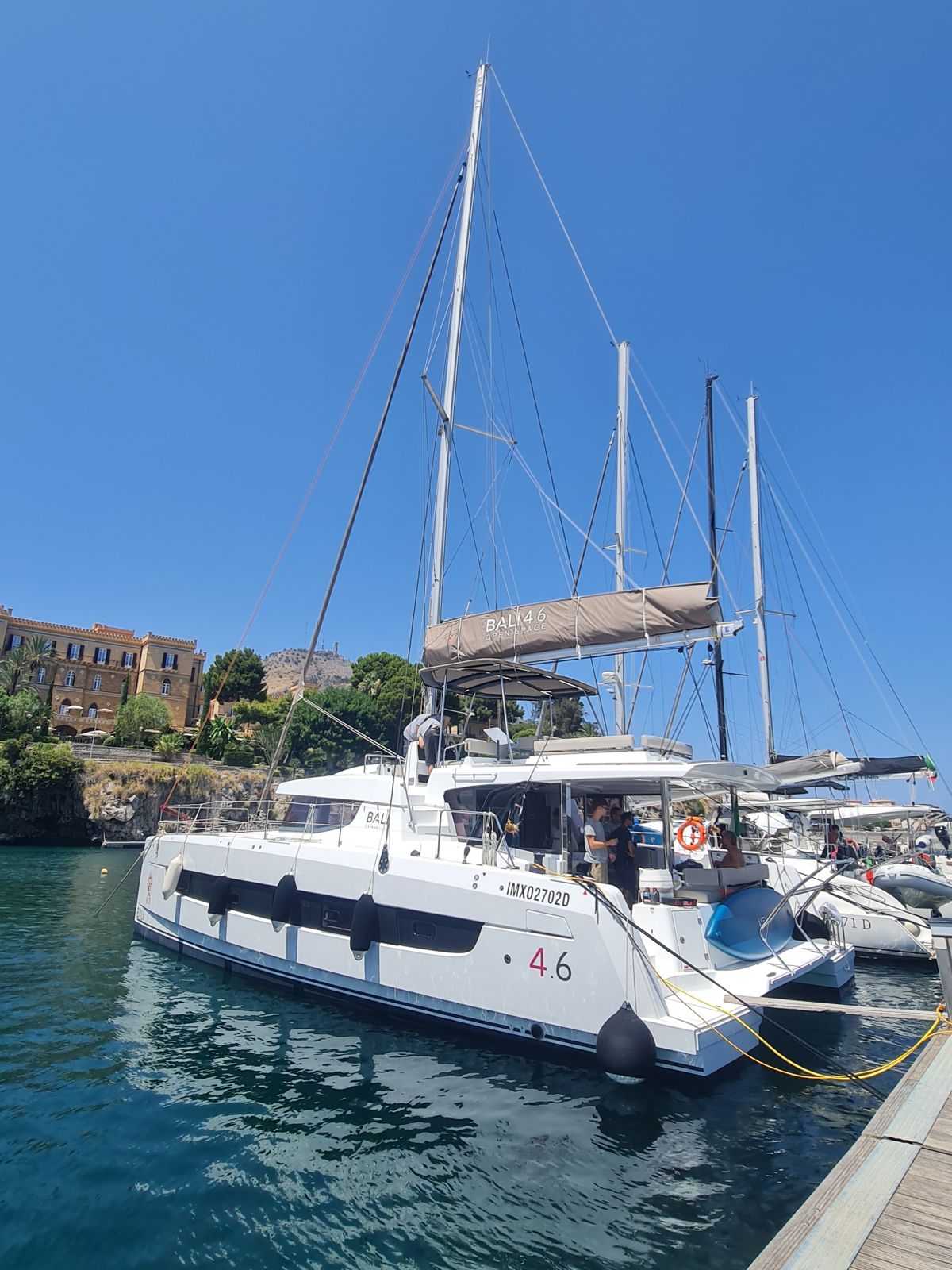
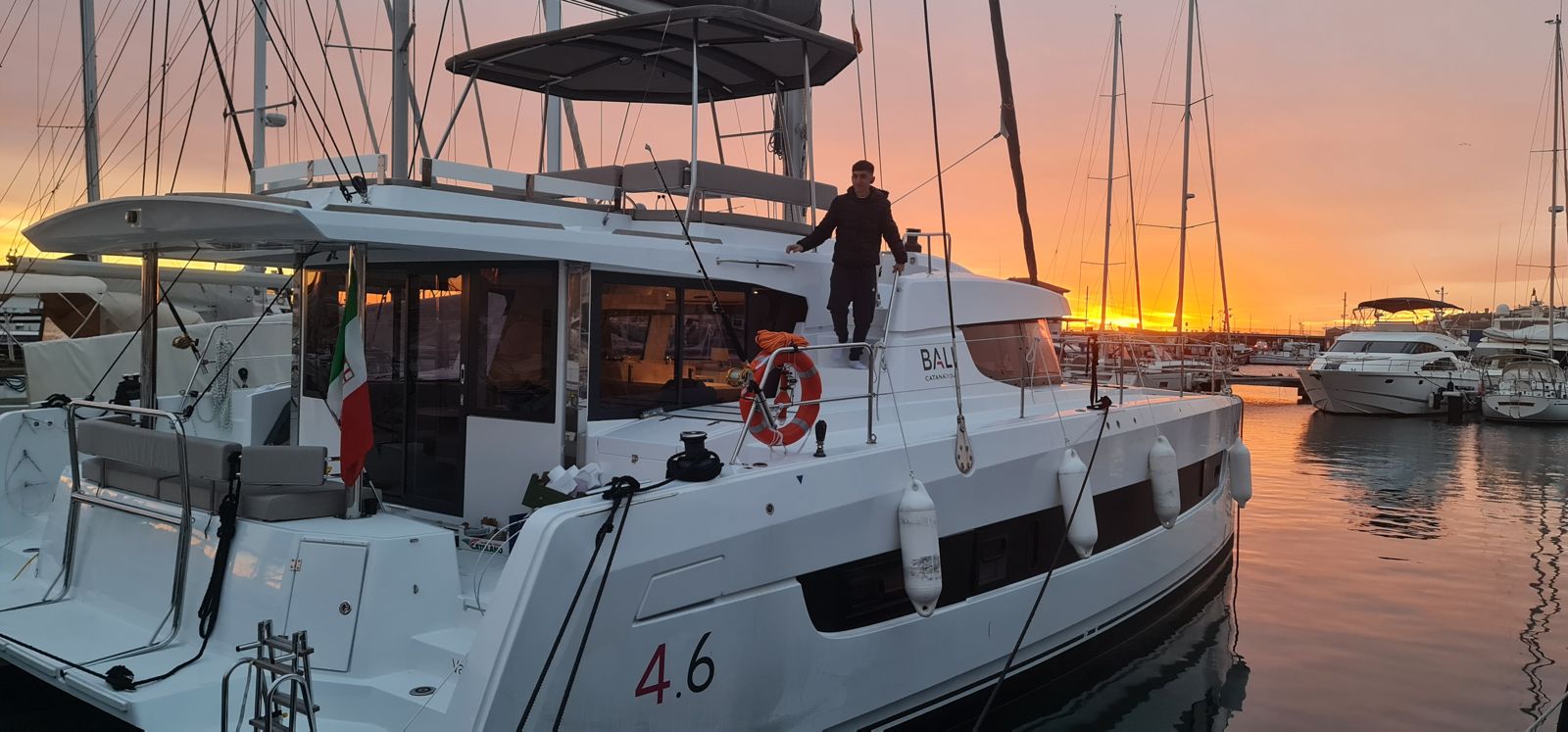
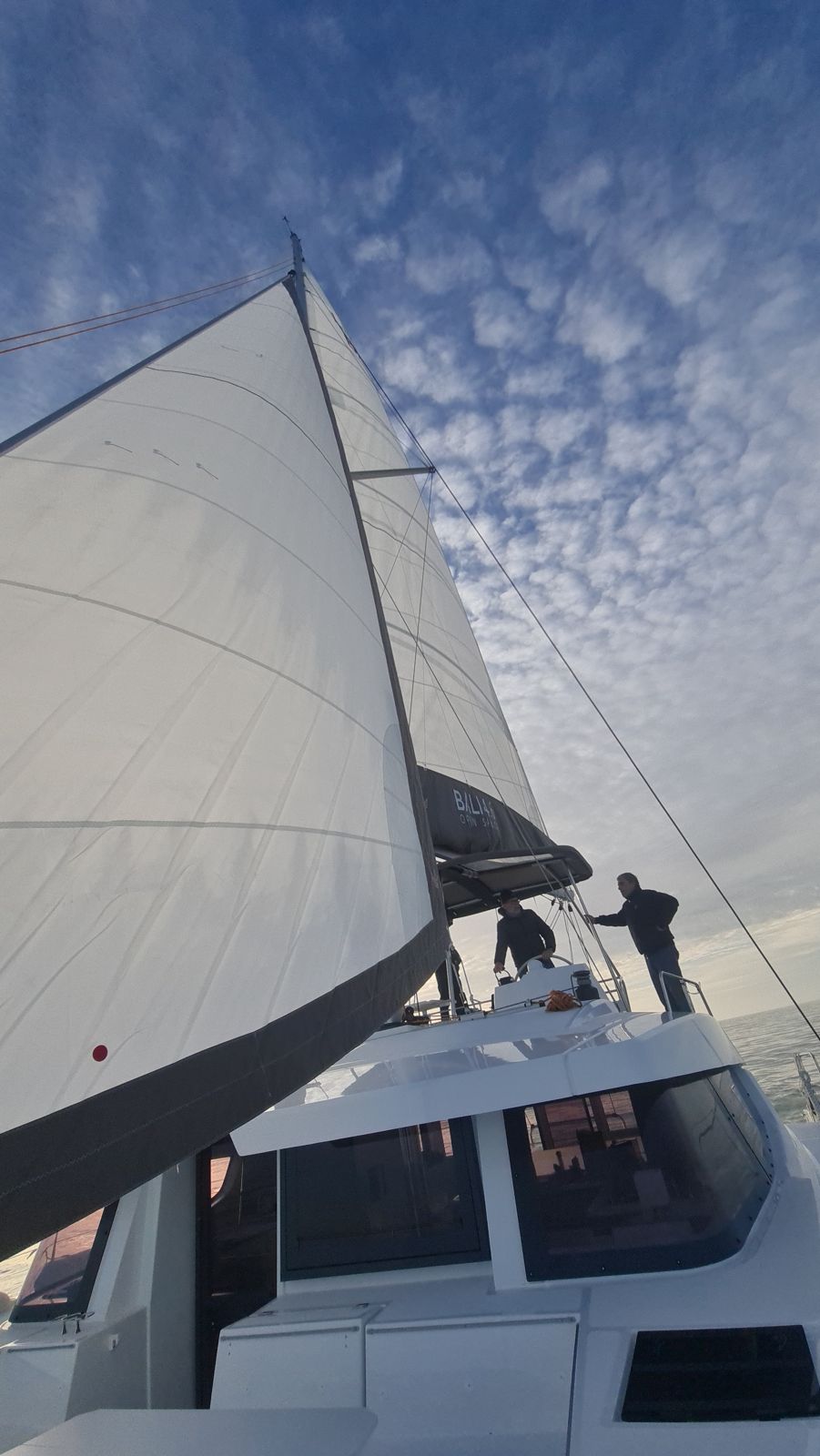
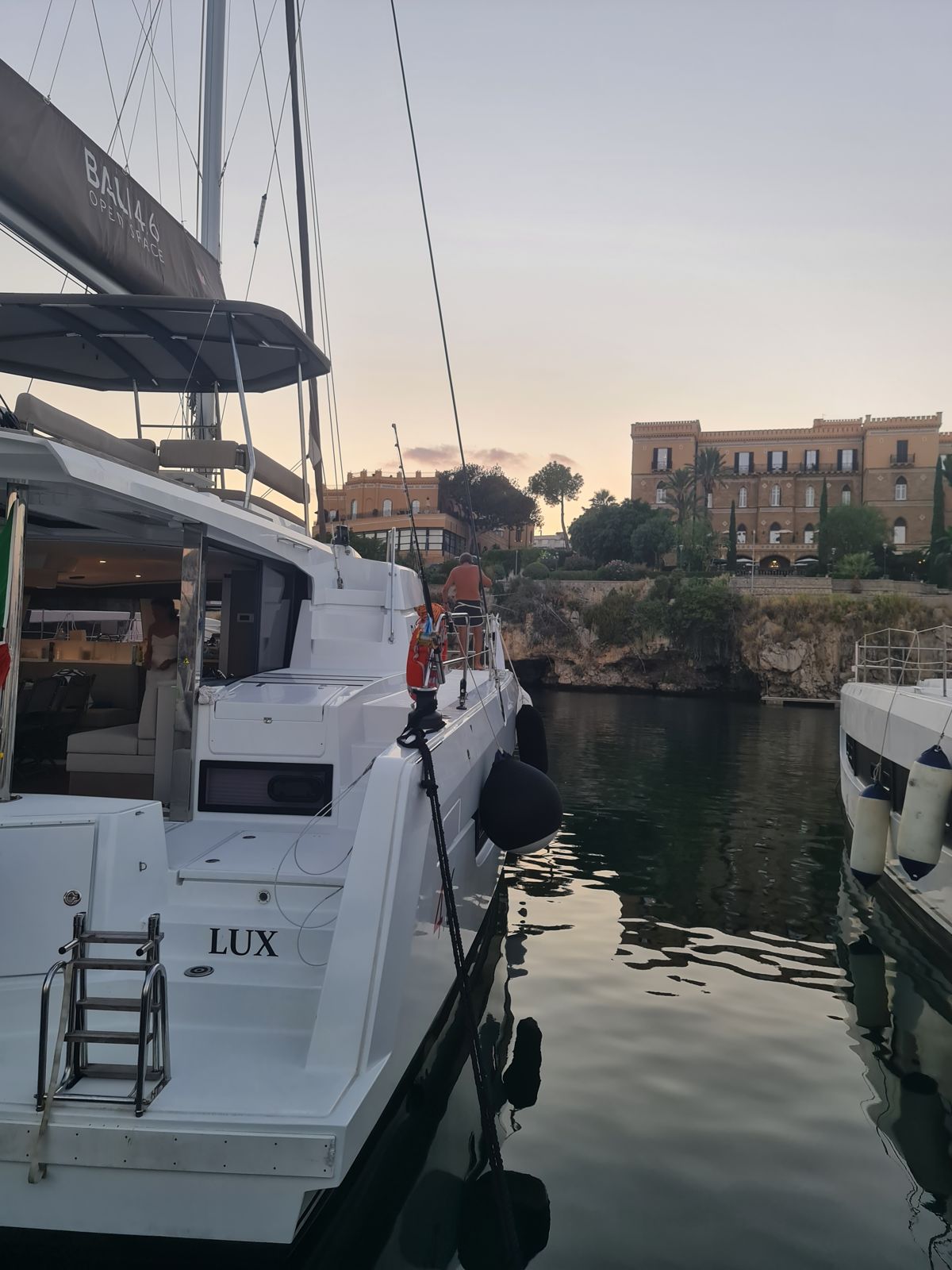
A Bali 4.6 catamaran launched in November 2023 and in service since 2024, with skipper and hostess, moored beneath Villa Igiea. Not a boat: a floating resort that weaves history, cuisine, wine and places into a single week. First Palermo, on land; then the Aeolian or the Egadi Islands, on board.
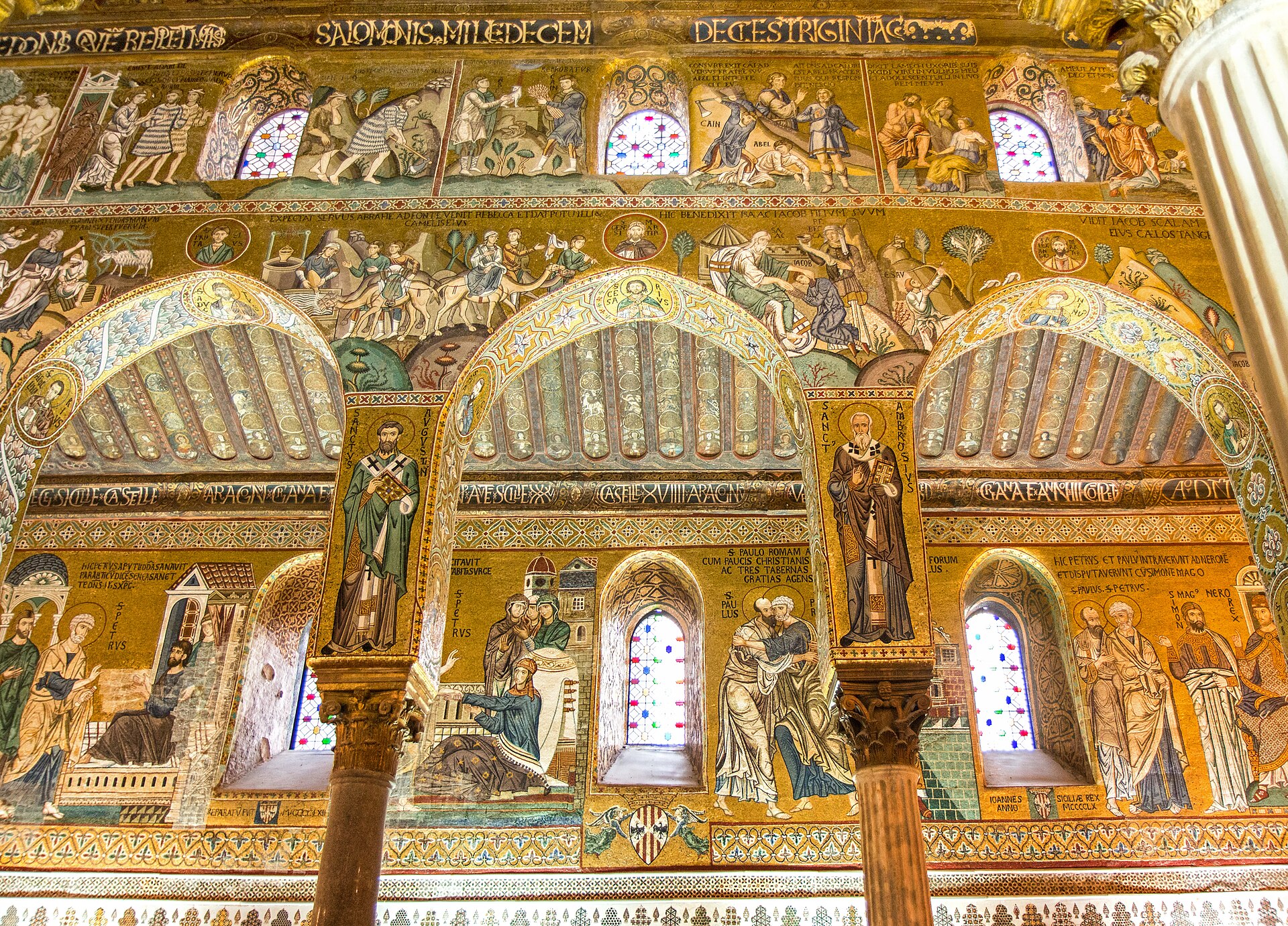
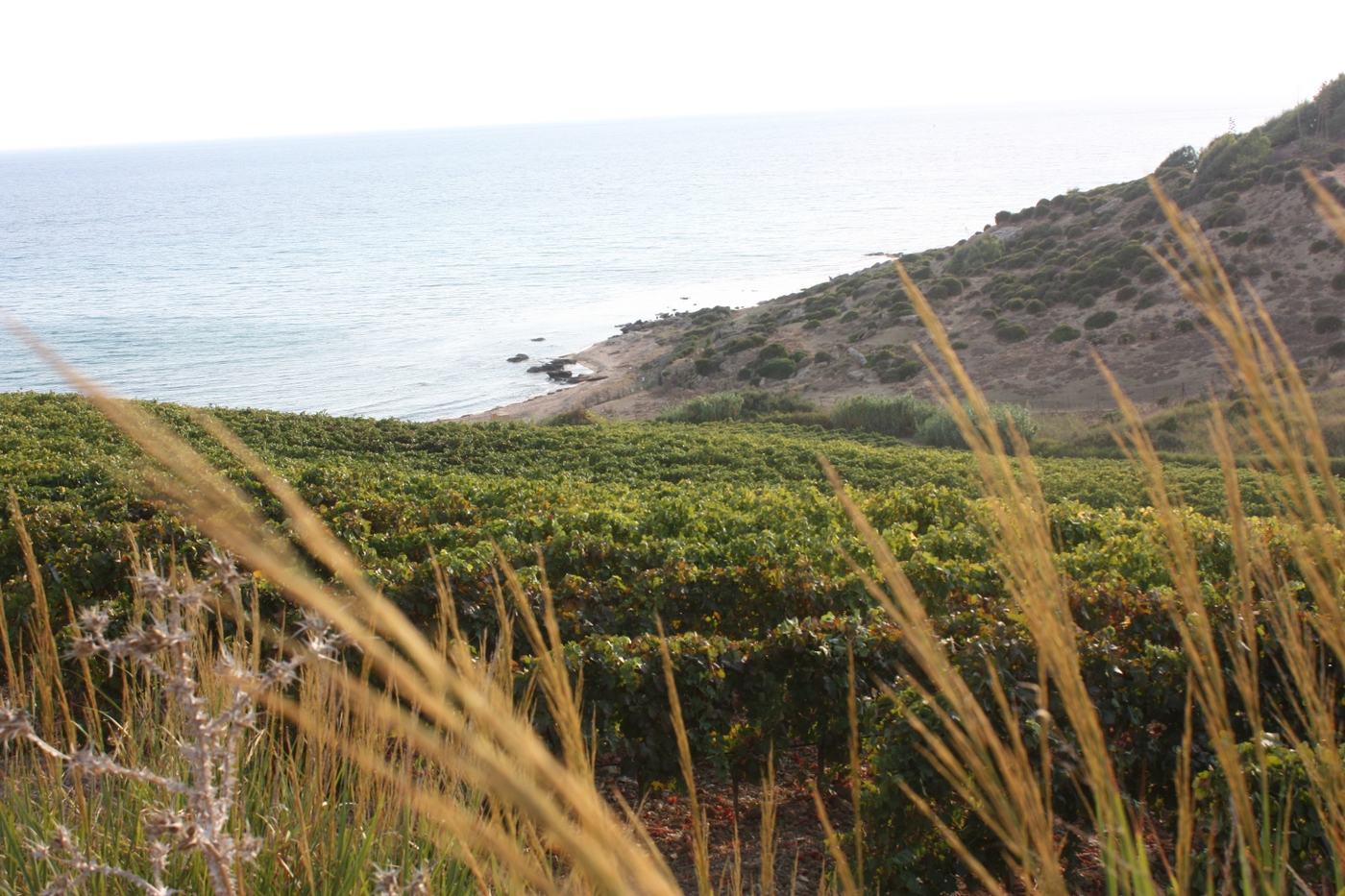
LUX is an experience for the senses: cassata eaten where it was born, Malvasia sipped facing the crater at Pollara, tuna whose story is told inside the Florio tuna fishery, the mosaics of Monreale still in your eyes as the anchor drops at Panarea. History, culture, food, wine and places that bind together — and stay with you.
That is why we suggest a precise order: arrive a few days early and do everything on land — Palermo, the markets, the cathedrals, the tables — and then complete your stay on our floating resort, where the hostess brings those same flavours on board and the skipper brings you to the places themselves.
PHOTOBOOK
Every place on the map opens its photos. Every photo on the site enlarges and can be browsed.
First, on land
PALERMO
The story: the peoples who wanted her
The Phoenicians founded her (8th century BC) and called her Ziz, "flower"; the Greeks named her Panormos, "all harbour". She was Carthaginian until 254 BC, then Roman for six centuries, Byzantine from 535. In 831 the Arabs made her the capital of their emirate: three hundred mosques, the water gardens, citrus, sugar cane, couscous and the cassata were all born here; the Kalsa, al-Khāliṣa, was the emir's citadel. In 1072 the Normans of Robert Guiscard and Roger took her without destroying her: Roger II, crowned king in 1130, had the Palatine Chapel built by Arab, Greek and Latin craftsmen — three worlds under a single ceiling, inscribed by UNESCO in 2015.
Then came the Swabian Frederick II, Stupor Mundi, the wonder of the world: raised among the Arab alleys of Palermo, King of Sicily at three and Emperor at twenty-six, he spoke six languages, wrote a treatise on falconry, founded the Sicilian School of poetry from which the Italian language was born, and from Palermo ruled an empire stretching from the Baltic to Jerusalem. He sleeps in the Cathedral, in a sarcophagus of red porphyry, beside Roger II and Constance of Hauteville. After him the Angevins, driven out in 1282 by the Sicilian Vespers; the Aragonese and the Spanish for four centuries (the markets, the Baroque, the Vucciria); the Bourbons, with the Chinese Villa and the Teatro Politeama; Garibaldi, who entered through Porta Termini on 27 May 1860. And finally the Florios, who conquered Palermo not with arms but with ships, wine and tuna fisheries — and it is from their home that LUX sets sail.
Not to be missed
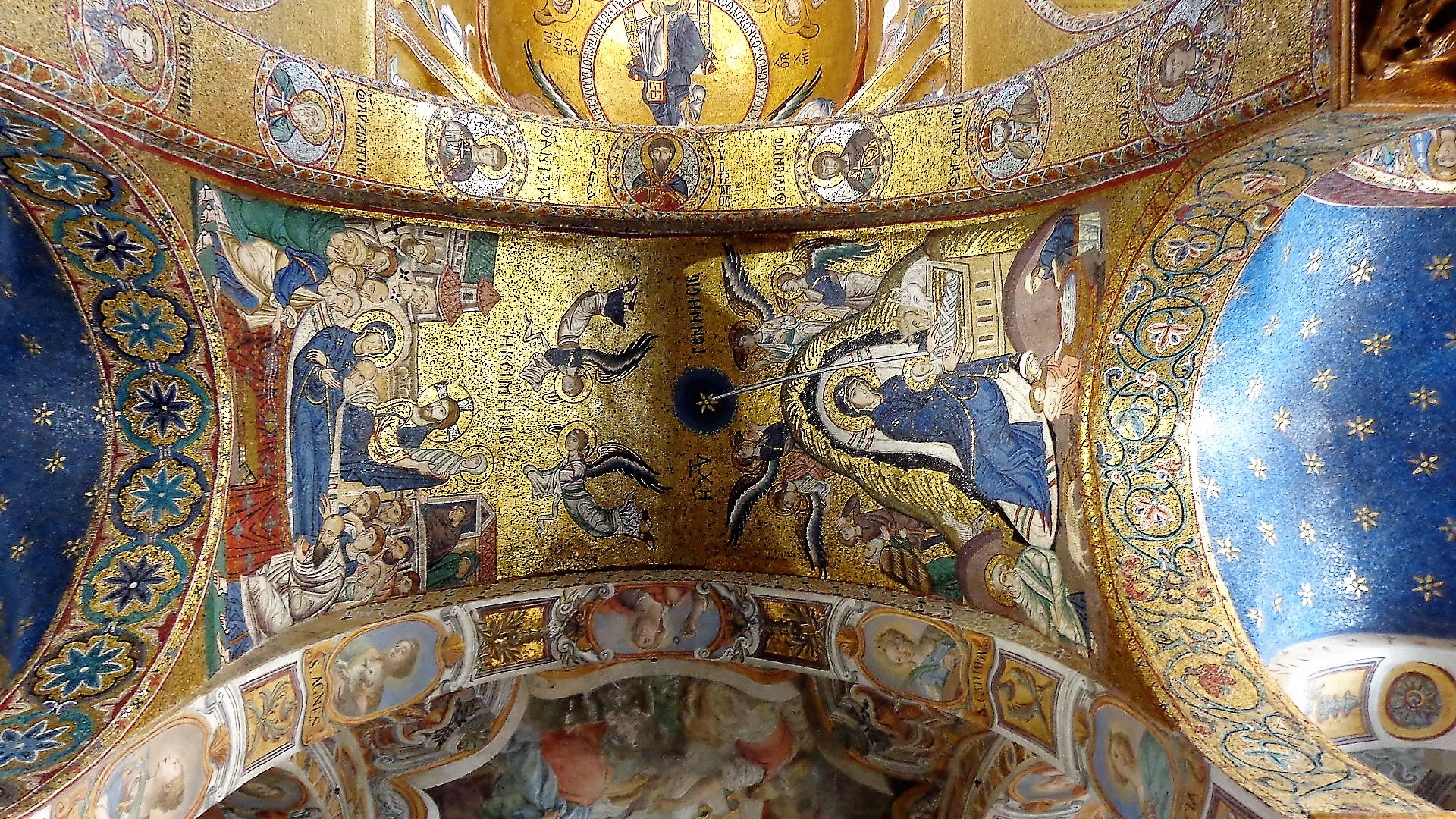
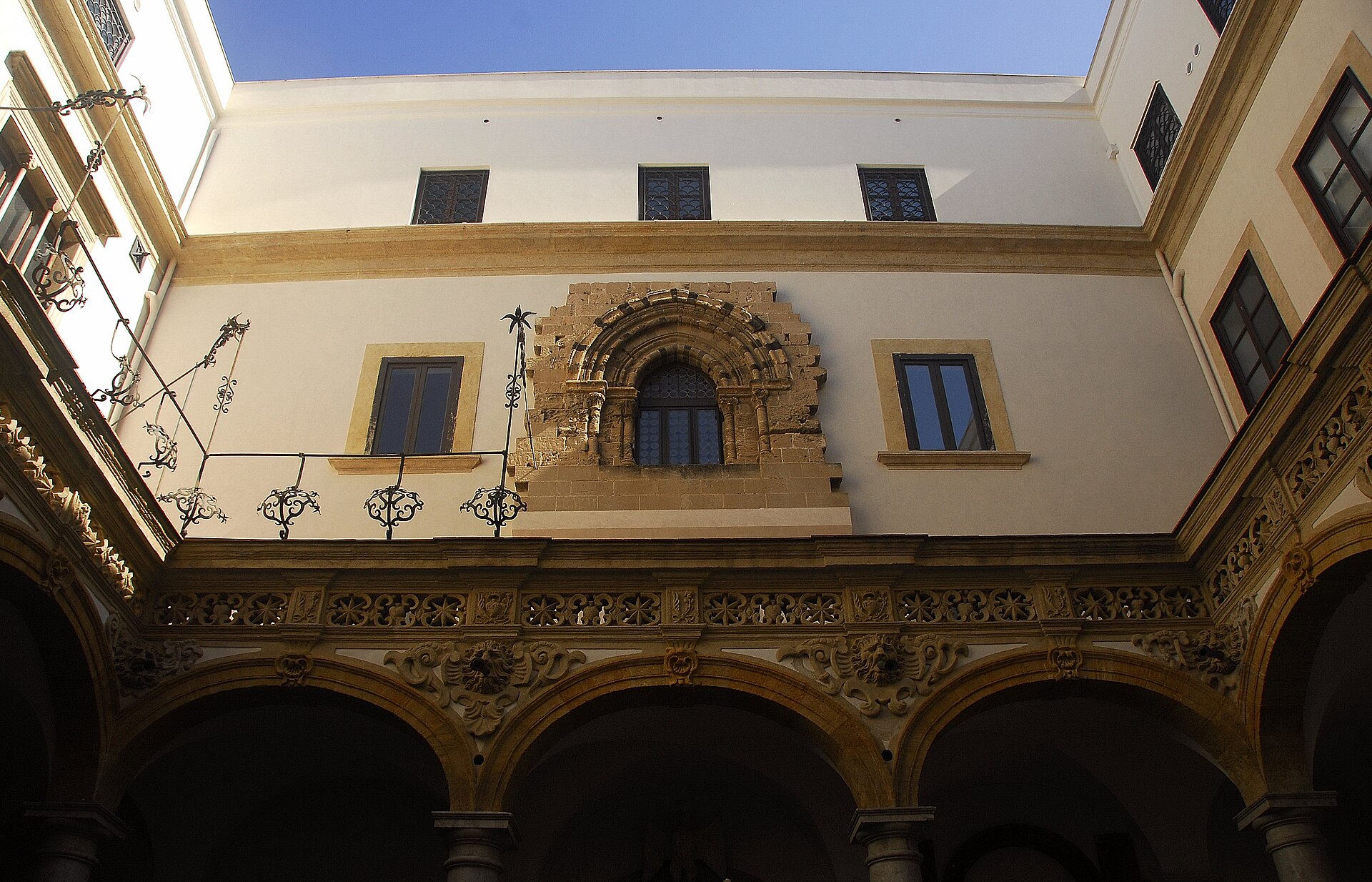
Cappella Palatina (Palazzo dei Normanni) — commissioned by Roger II, consecrated in 1140: golden Byzantine mosaics and a muqarnas ceiling by Fatimid craftsmen, unique in a Christian church. The palace is the oldest royal residence in Europe. 2 hours
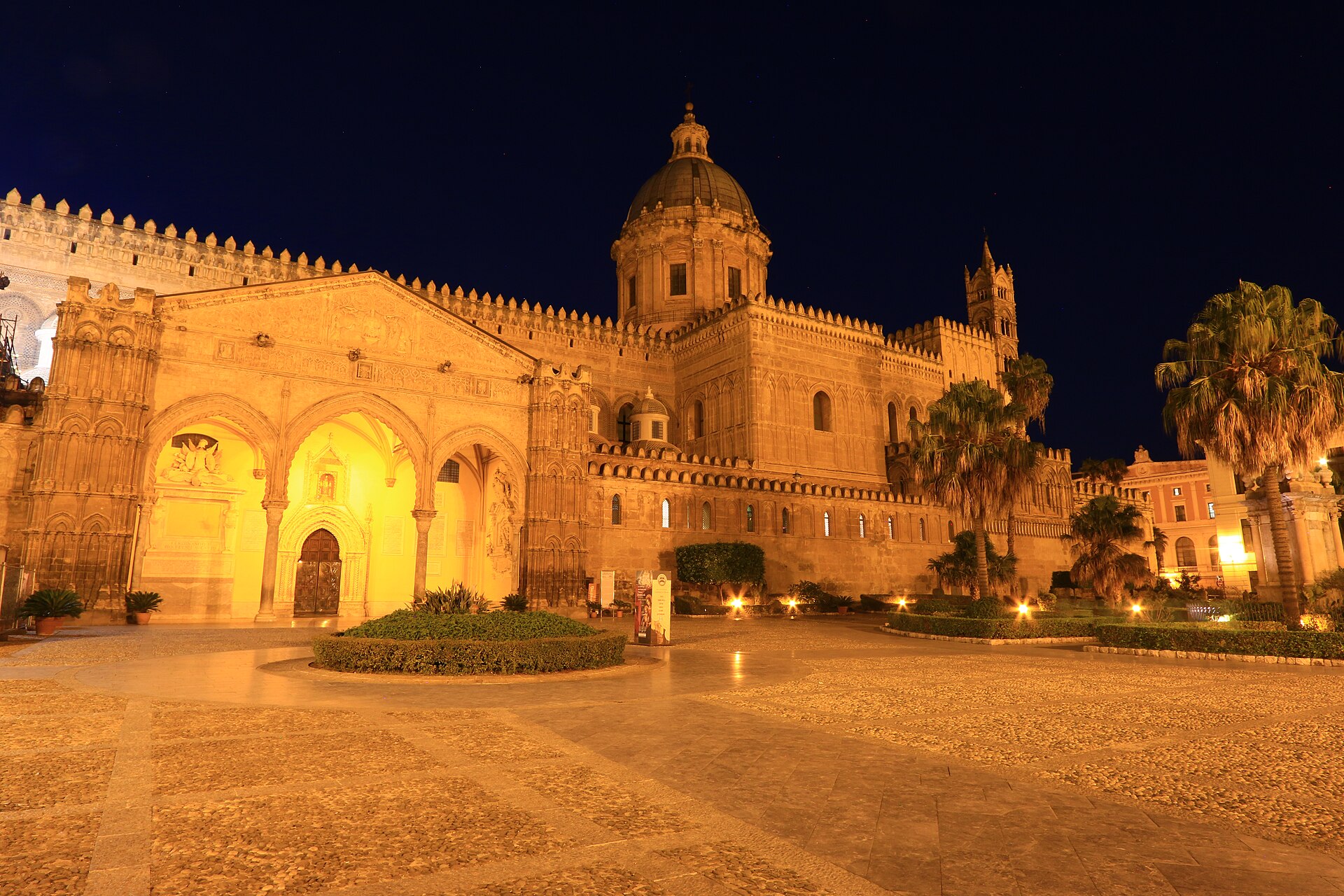
Cathedral — 1185; inside, in porphyry tombs, Frederick II and Roger II. 1 hour
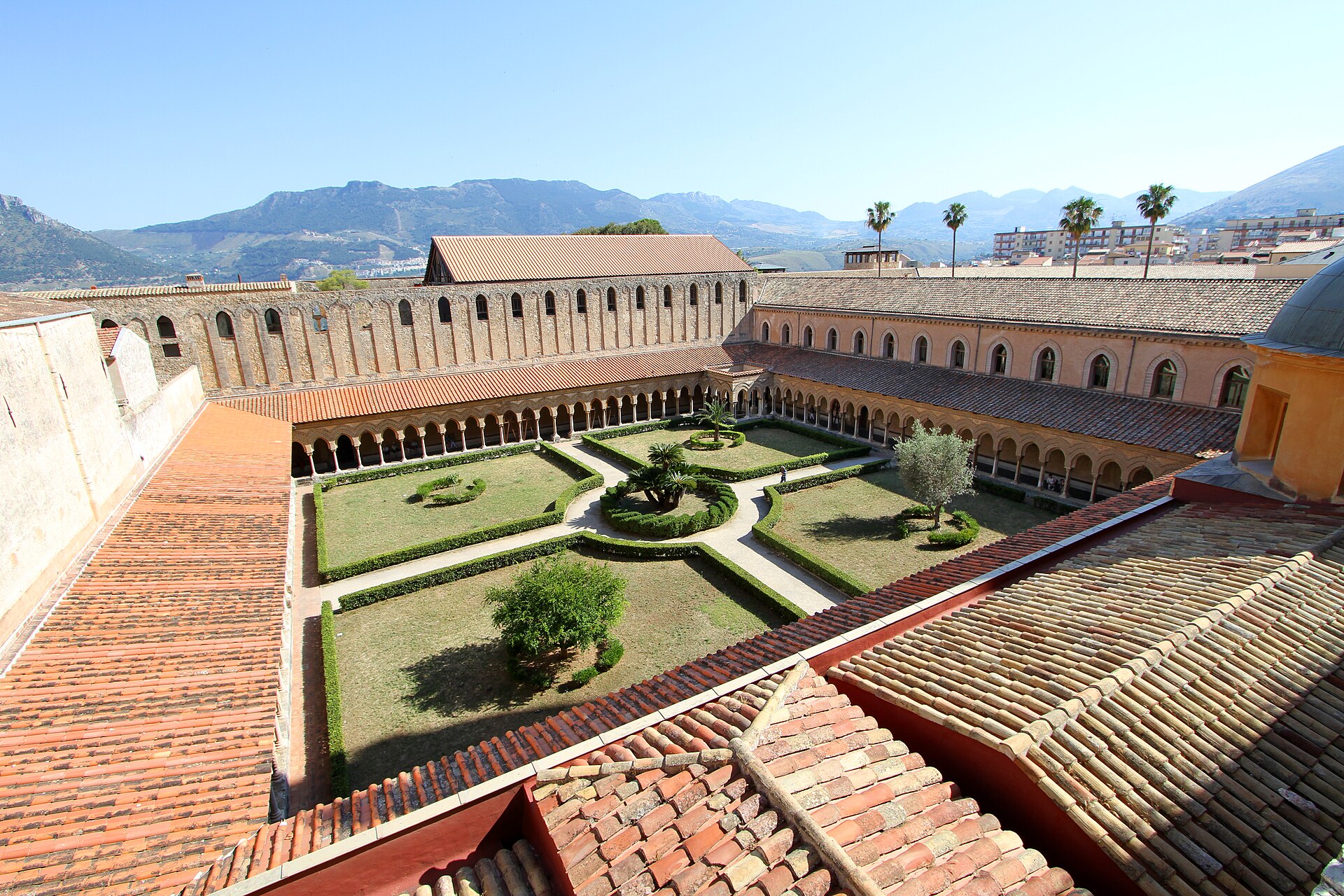
Monreale — William II's cathedral (1172): 7,500 m² of mosaics, the largest cycle after Hagia Sophia, and the cloister. half a day
La Martorana — the mosaic of Roger crowned by Christ, 1143.
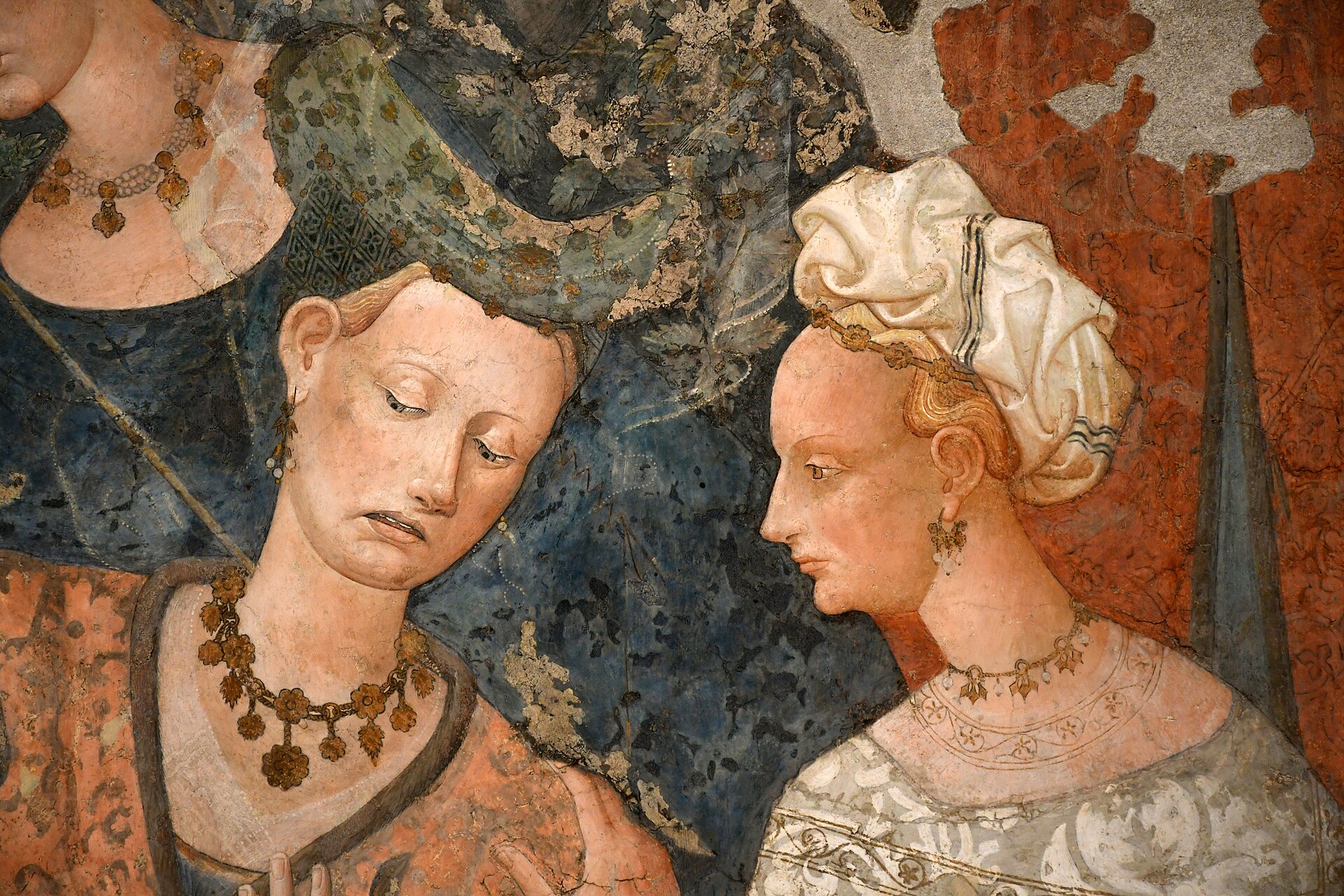
Palazzo Abatellis — the Triumph of Death and Antonello da Messina's Annunciata.
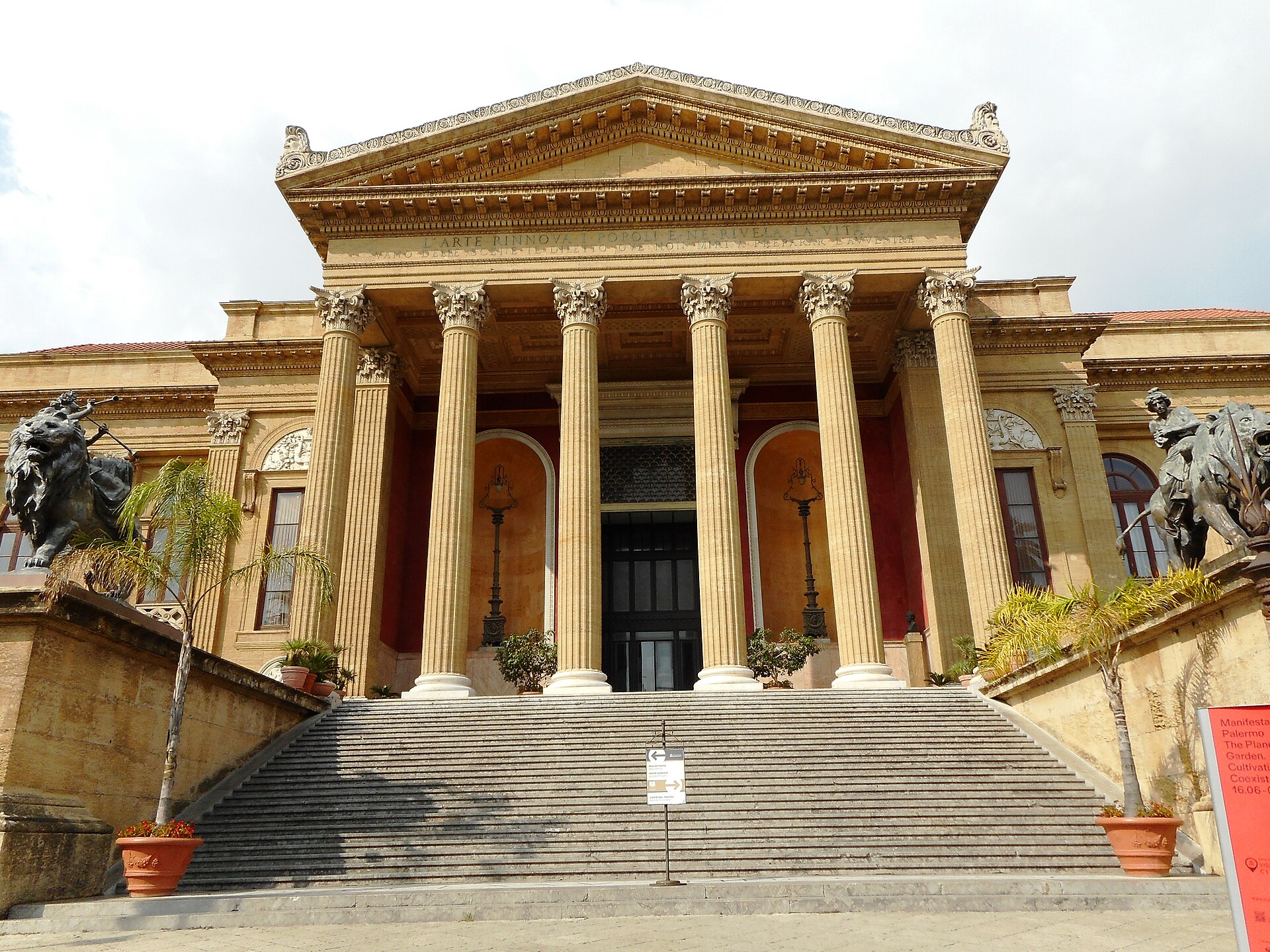
Museo Salinas — the metopes of Selinunte. Teatro Massimo — Italy's largest opera house; the final staircase scene of The Godfather Part III.
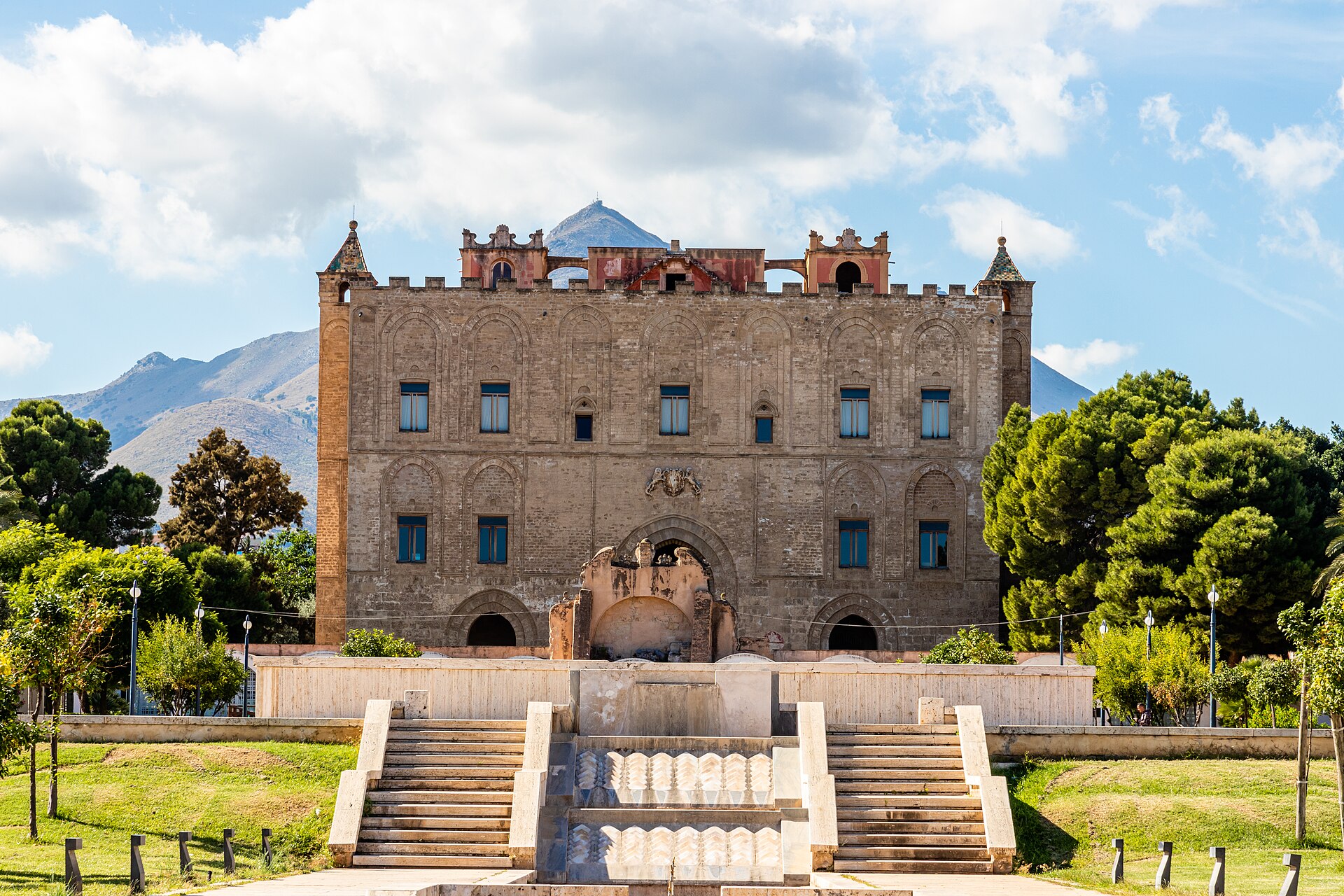
La Zisa — "the splendid one", 1165, the kings' summer palace with Islamic art within.
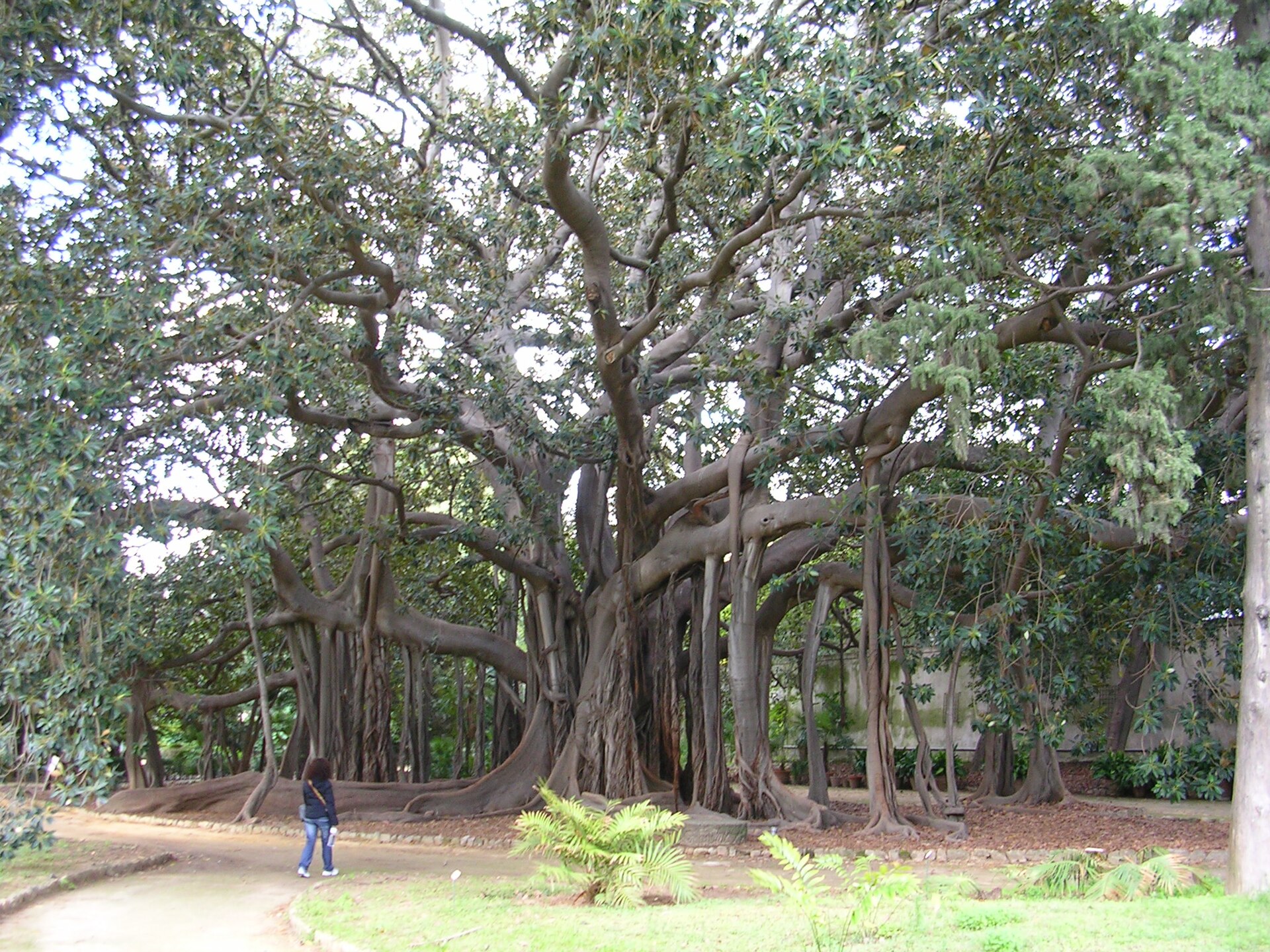
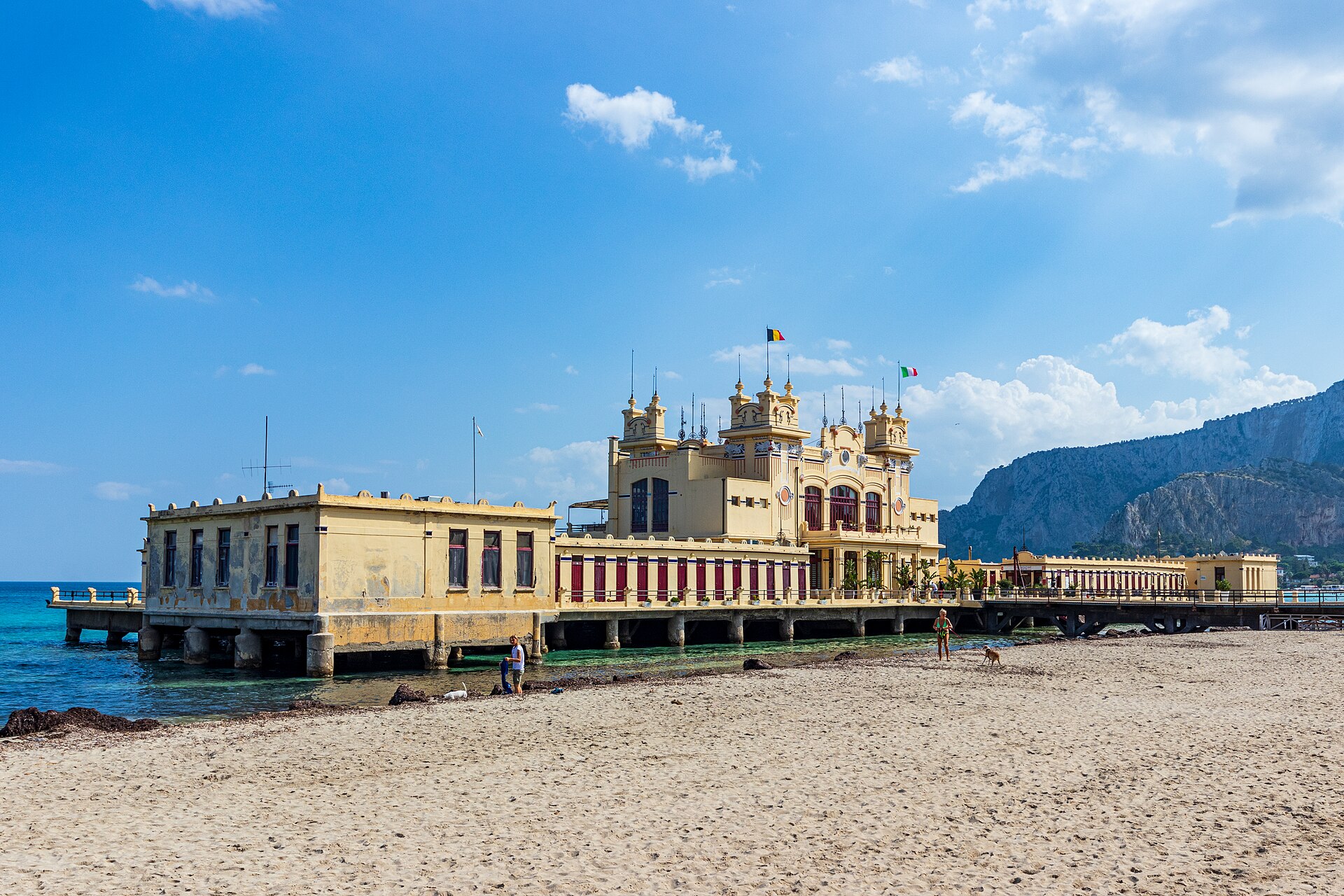
Orto Botanico (1789) and its 1845 ficus, as wide as a piazza. Mondello and the Art Nouveau Charleston bathing pavilion (1913), one mile from LUX.
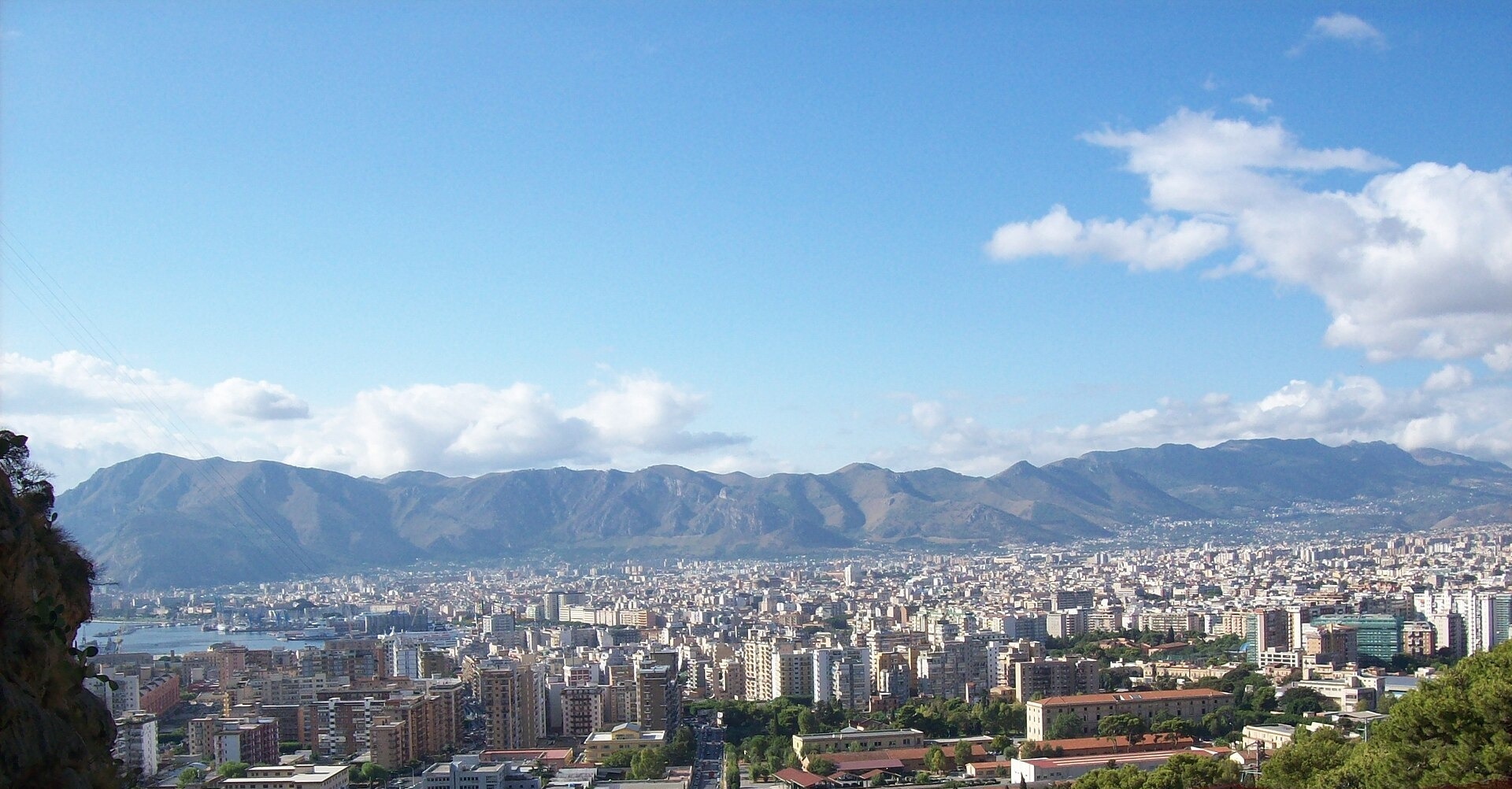
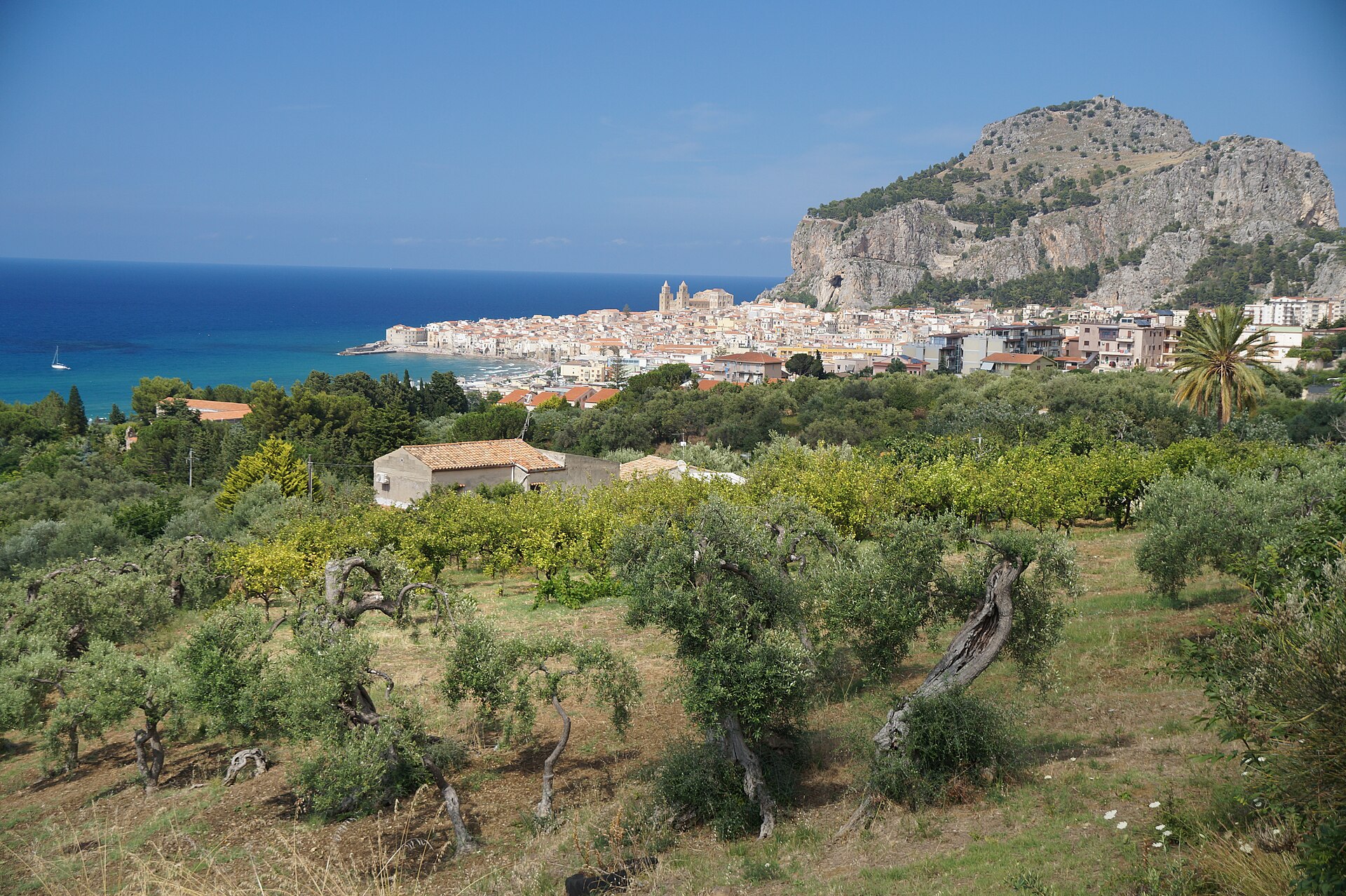
Palermo dal Monte PellegrinoCattedraleLa MartoranaPalazzo AbatellisMuseo SalinasTeatro MassimoLa ZisaOrto BotanicoMondelloCefalùUsticaBallarò, il mercatoLa Vucciria di seraKalsaVilla IgieaMonte Pellegrino
What you absolutely must eat
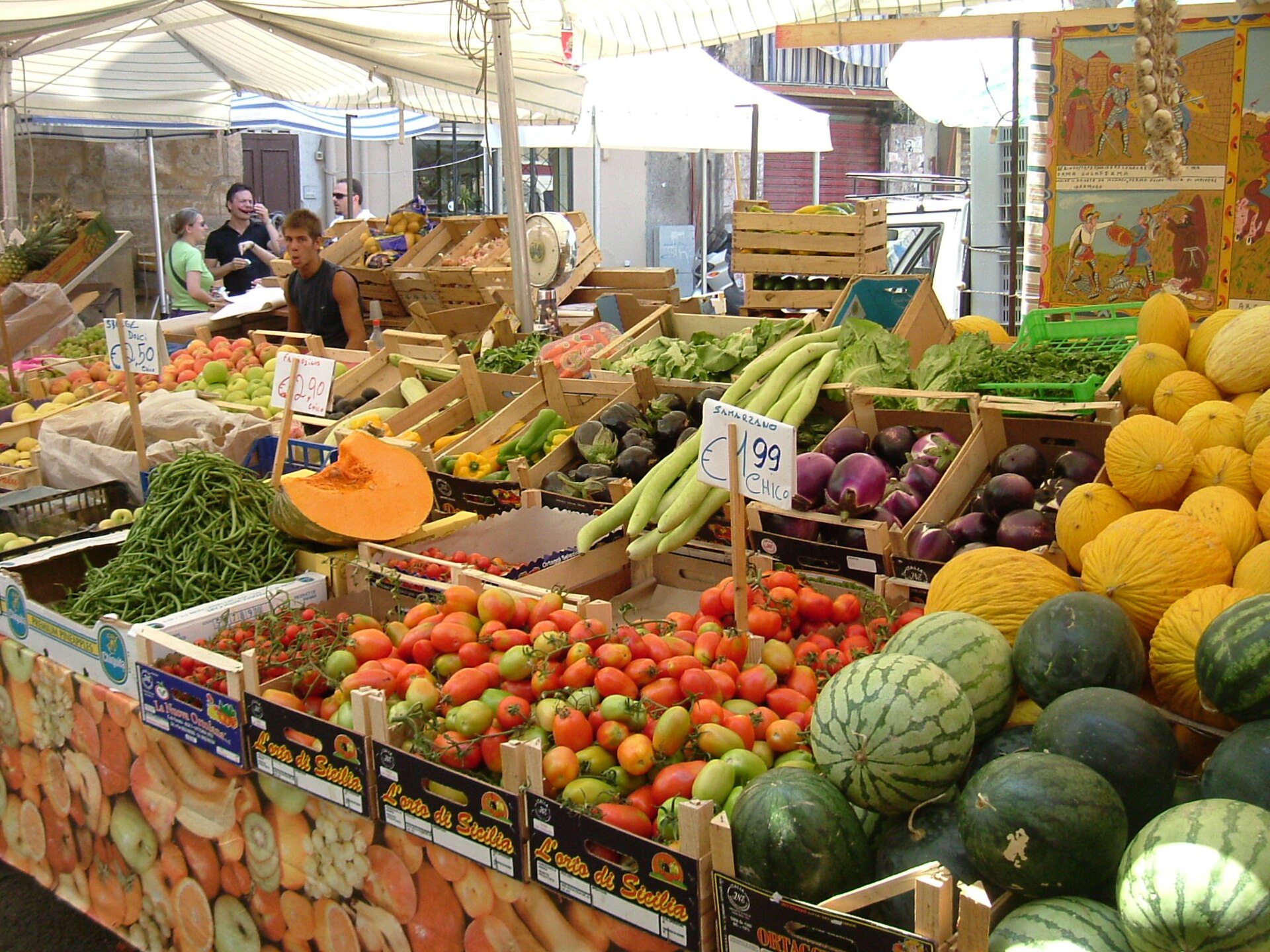
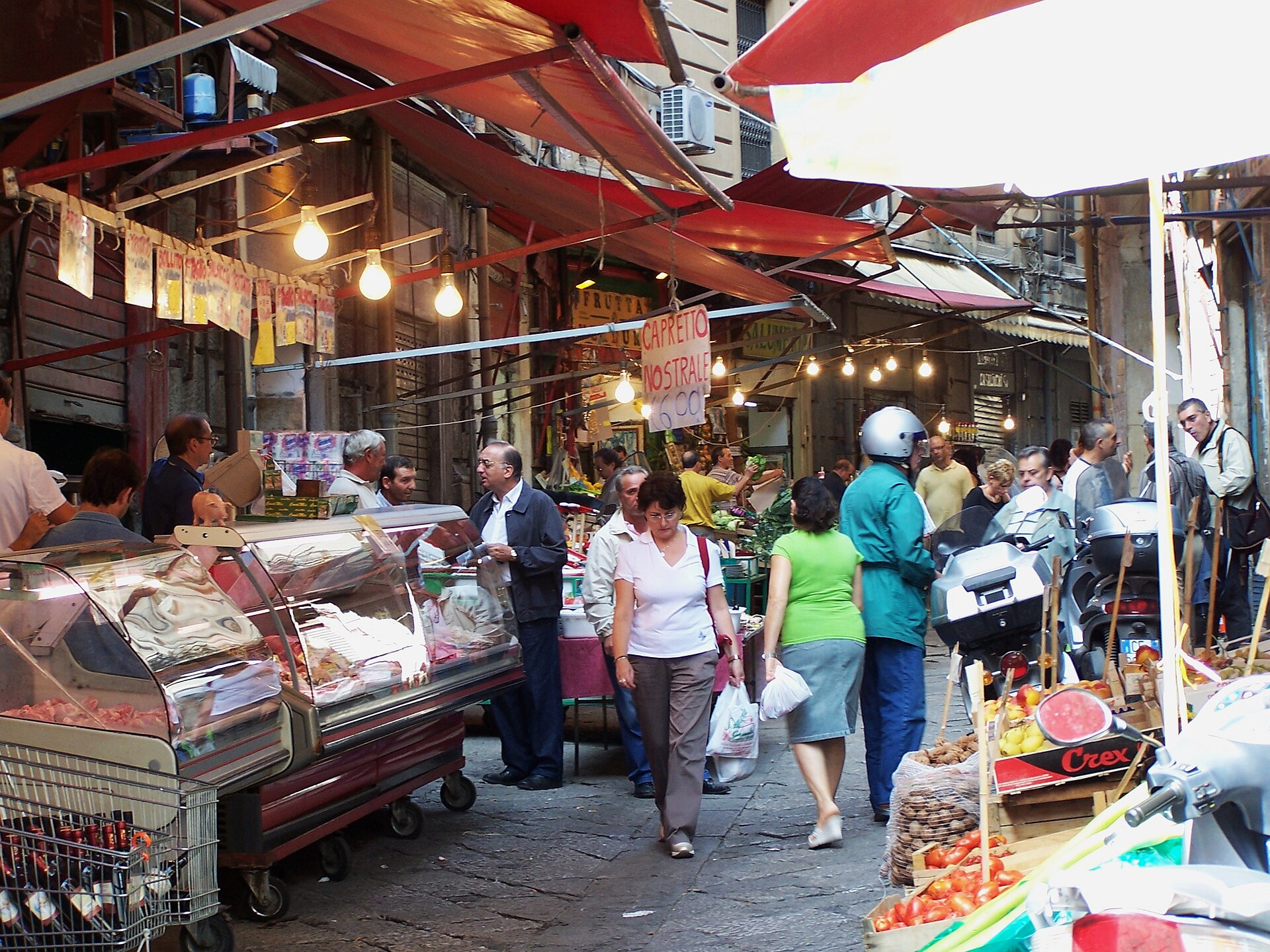
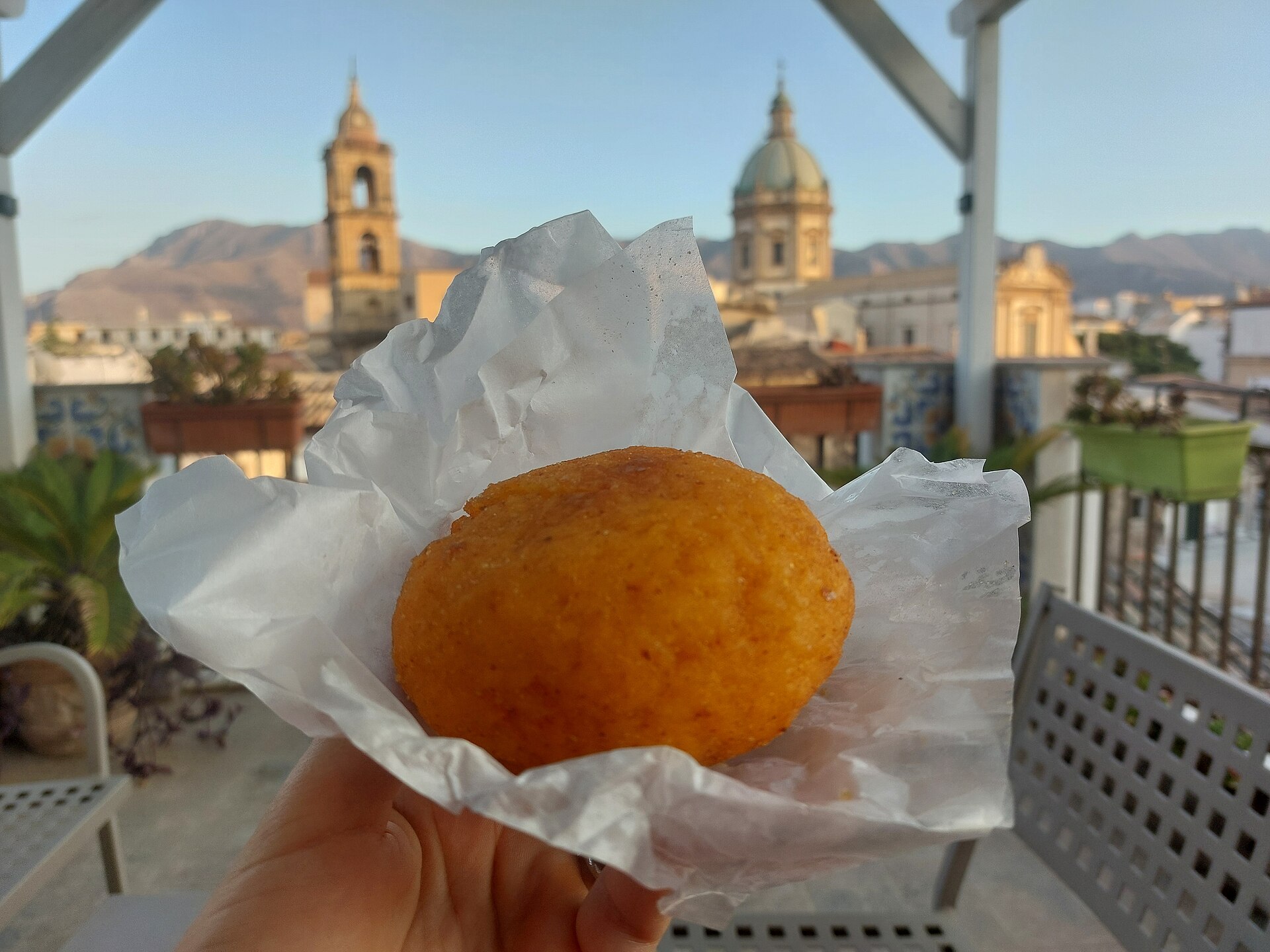
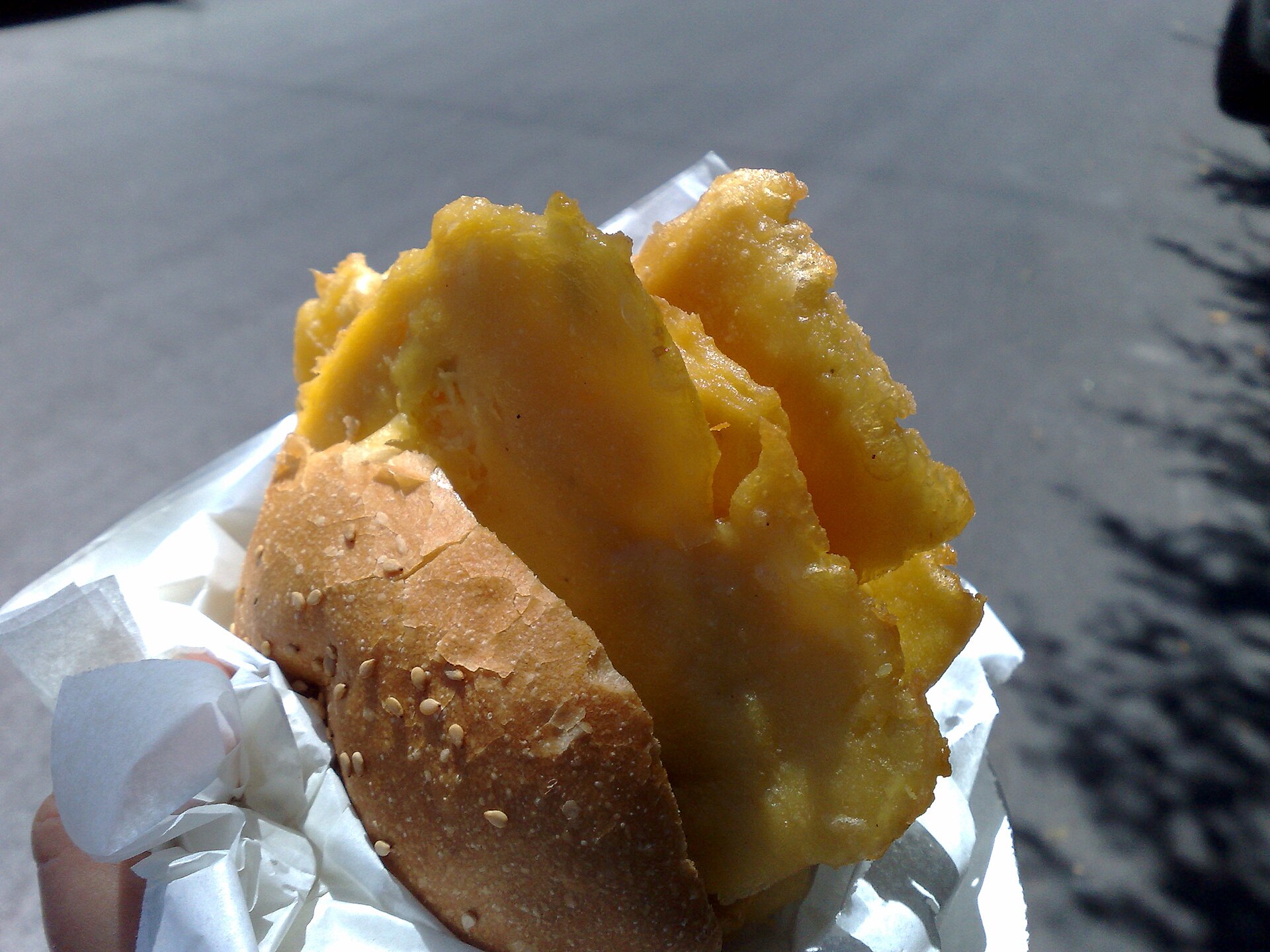
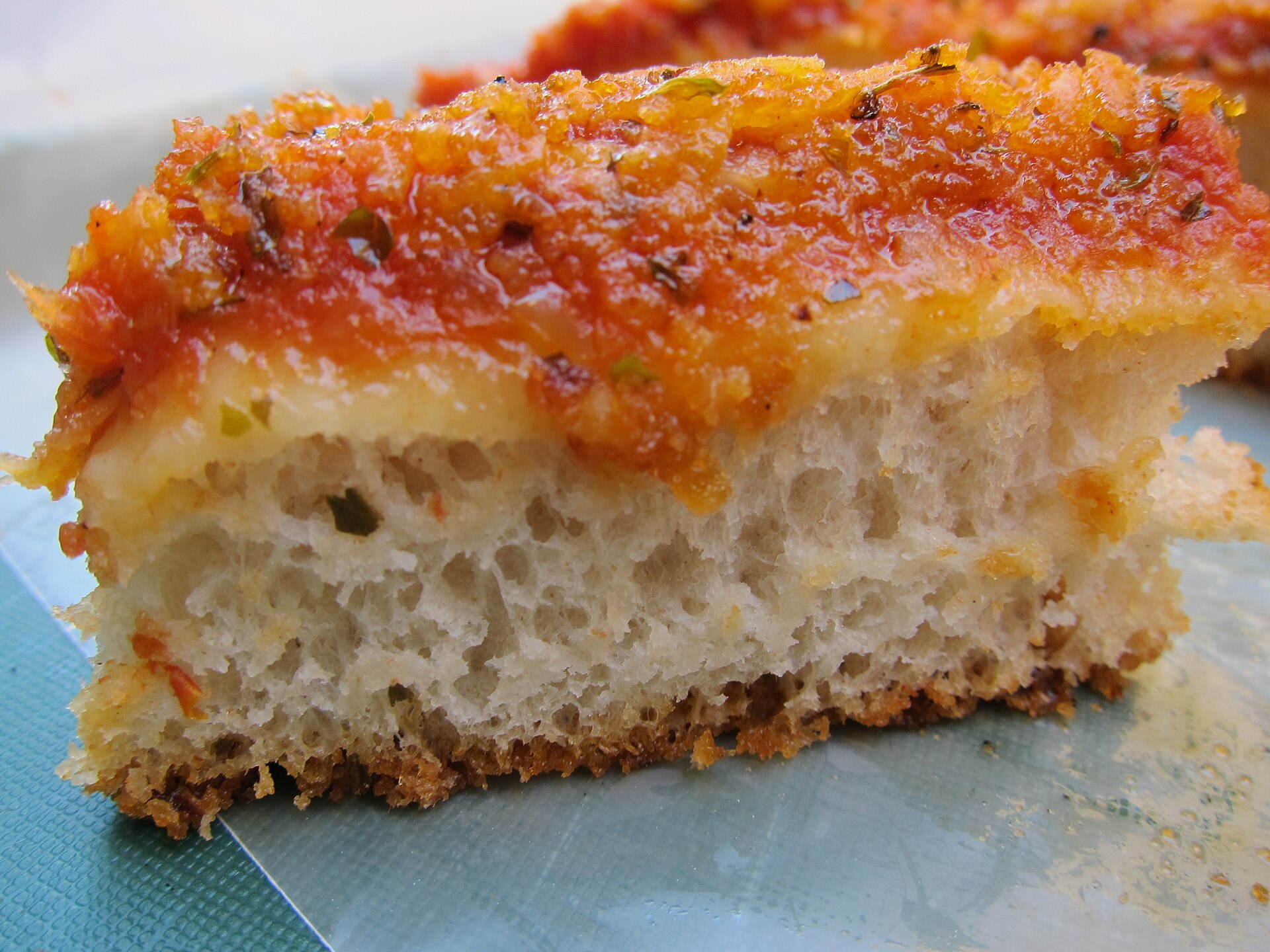
In the markets — Ballarò (the oldest), il Capo, la Vucciria by night: chickpea panelle, arancine (saffron rice balls), sfincione (Palermo's thick focaccia), pane ca meusa (the spleen sandwich: "schietta" plain or "maritata" with cheese), stigghiola grilled over charcoal.
Antica Focacceria San Francesco, 1834, in a deconsecrated chapel. Pasticceria Cappello since 1950: cassata, cannolo, Setteveli. Cappadonia: gelato in a brioche col tuppo.
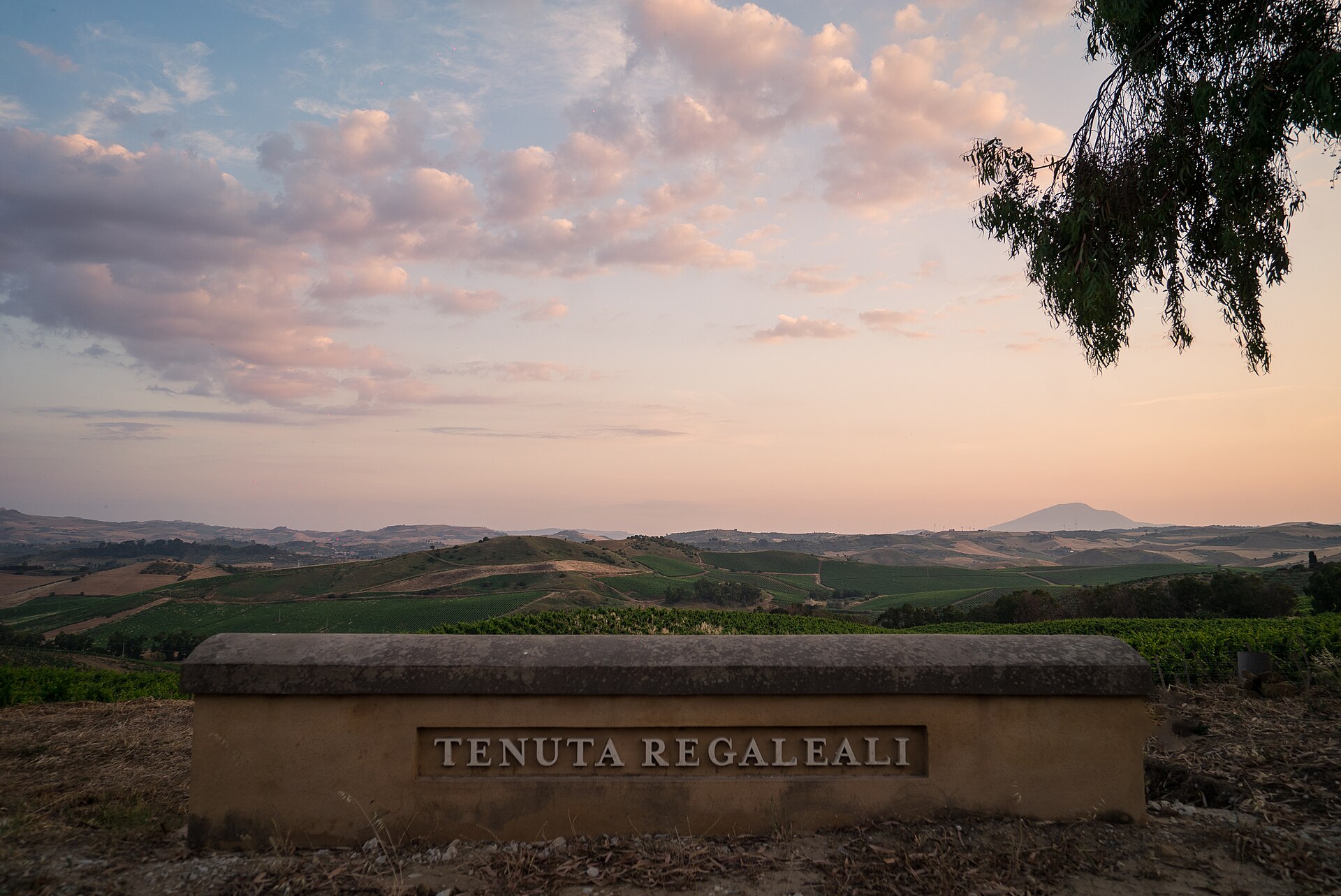
To drink: the whites of the DOC Monreale — Catarratto, Grillo — and Perricone; Tasca d'Almerita's Regaleali estate is an hour and a half away.
Morning
Palazzo dei Normanni, the Cathedral, then il Capo market for an arancina.
Afternoon
Monreale, then back to Villa Igiea: aperitivo on LUX's flybridge, prepared by the hostess.
Evening
The Vucciria and dinner at one of the tables listed below. You sleep on board, in the marina.
Home port
PALERMO IN THE AGE OF THE FLORIOS
In 1799 two brothers from Calabria open a spice shop at the Vucciria market. A century later their name is on the ships crossing the Mediterranean, on the bottles of Marsala, on the tuna fisheries of the Egadi Islands, on the foundry smoking at the Cala. The Florios are not merely the richest family in the South: they are the reason why, for twenty years, Europe looks to Palermo.
The Belle Époque
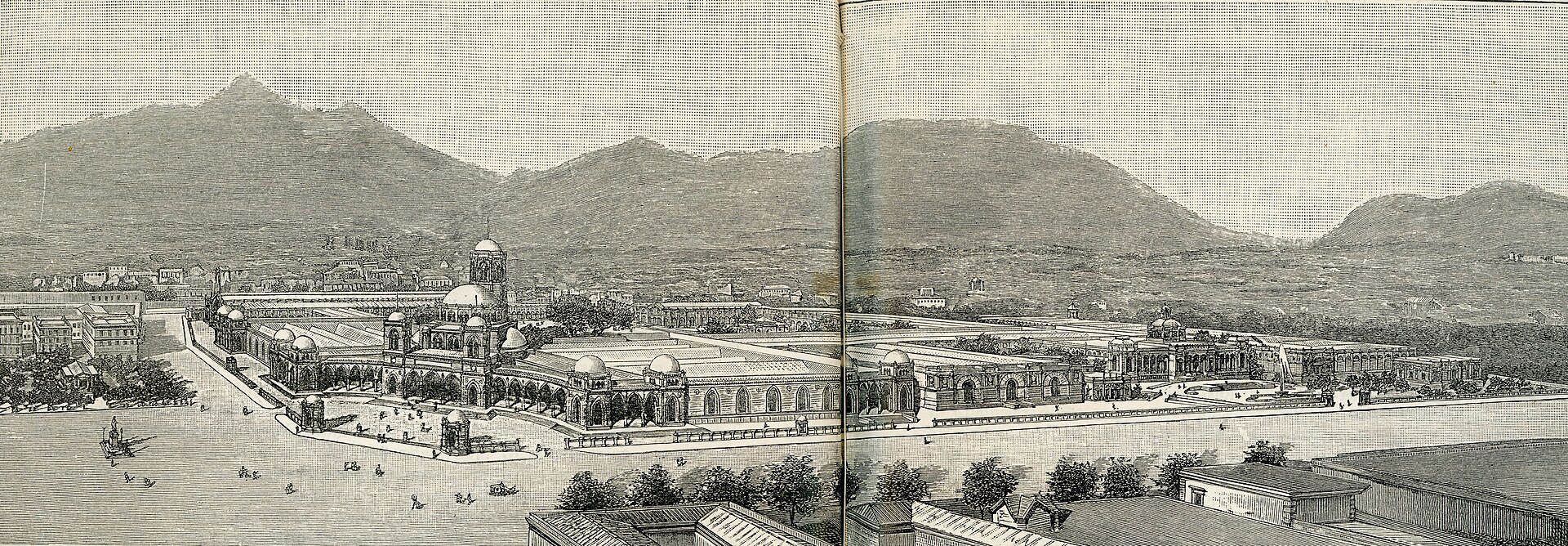
In 1891 the National Exhibition sets the city alight with Ernesto Basile's Moorish pavilions: over a million tickets. In 1897 the Teatro Massimo raises its curtain on Falstaff, the third-largest opera house in Europe. Wagner has just finished Parsifal in a mirrored room at the Grand Hotel des Palmes. And at the Olivuzza, among peacocks and greenhouses, Donna Franca Florio receives Kaiser Wilhelm II wearing a seven-metre string of pearls: he calls her the "Star of Italy", the Palermitans call her "the queen".
Villa Igiea, 1900
In 1899 Ignazio Florio buys the neo-Gothic villa of an English admiral at the Acquasanta. It was meant to be a sanatorium; it becomes the grand hotel that Basile designs down to the last chair and that De Maria Bergler dresses in springtime in the Hall of Mirrors. In April 1907 Edward VII and Queen Alexandra lunch here, having landed from the Victoria & Albert; Boldini stays here to paint the portrait of Donna Franca that will travel the world; the King of Siam passes through, the last great guest before the war. Later, in the second half of the twentieth century: Onassis and Callas, Grace Kelly, Burt Lancaster and Claudia Cardinale during the filming of The Leopard. Since 2021 it belongs to Rocco Forte. LUX is moored at the pier below the villa.
The Targa Florio
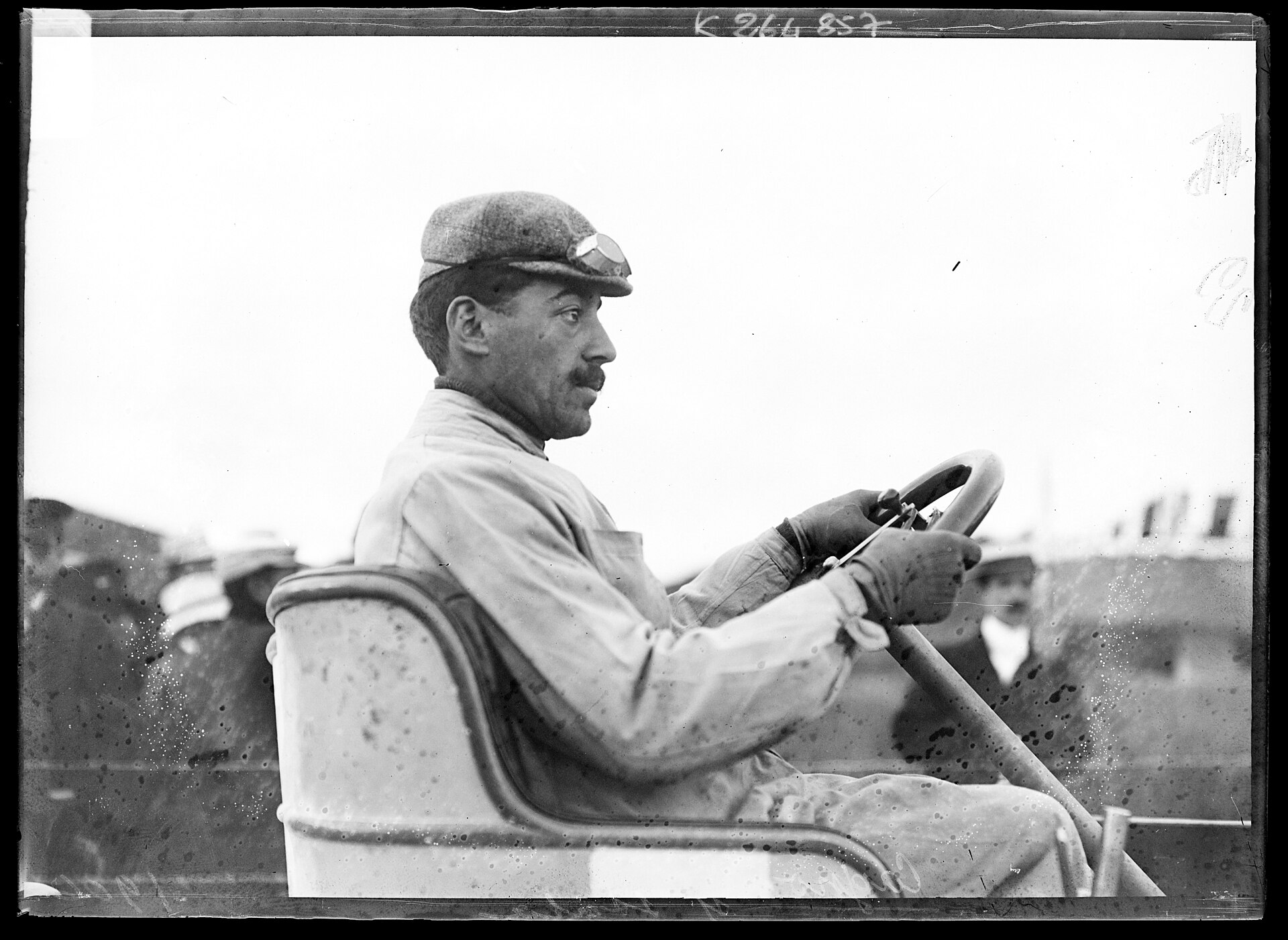
On 6 May 1906, at six in the morning, ten cars set off from Buonfornello for three laps of the Madonie mountains: 446 kilometres, two thousand bends per lap, tar laid on the roads against the dust. Alessandro Cagno wins in an Itala in nine and a half hours, at 47 km/h. It was invented by Vincenzo Florio, the younger brother, and it is the oldest race in the world: Nuvolari, Varzi, Moss, Porsche eleven times, and Nino Vaccarella, "the flying headmaster" of Palermo, three wins. The drivers were regulars at Villa Igiea. The museum is at Collesano, in the Madonie; the re-enactment runs every May.
The tuna fishery, one kilometre away
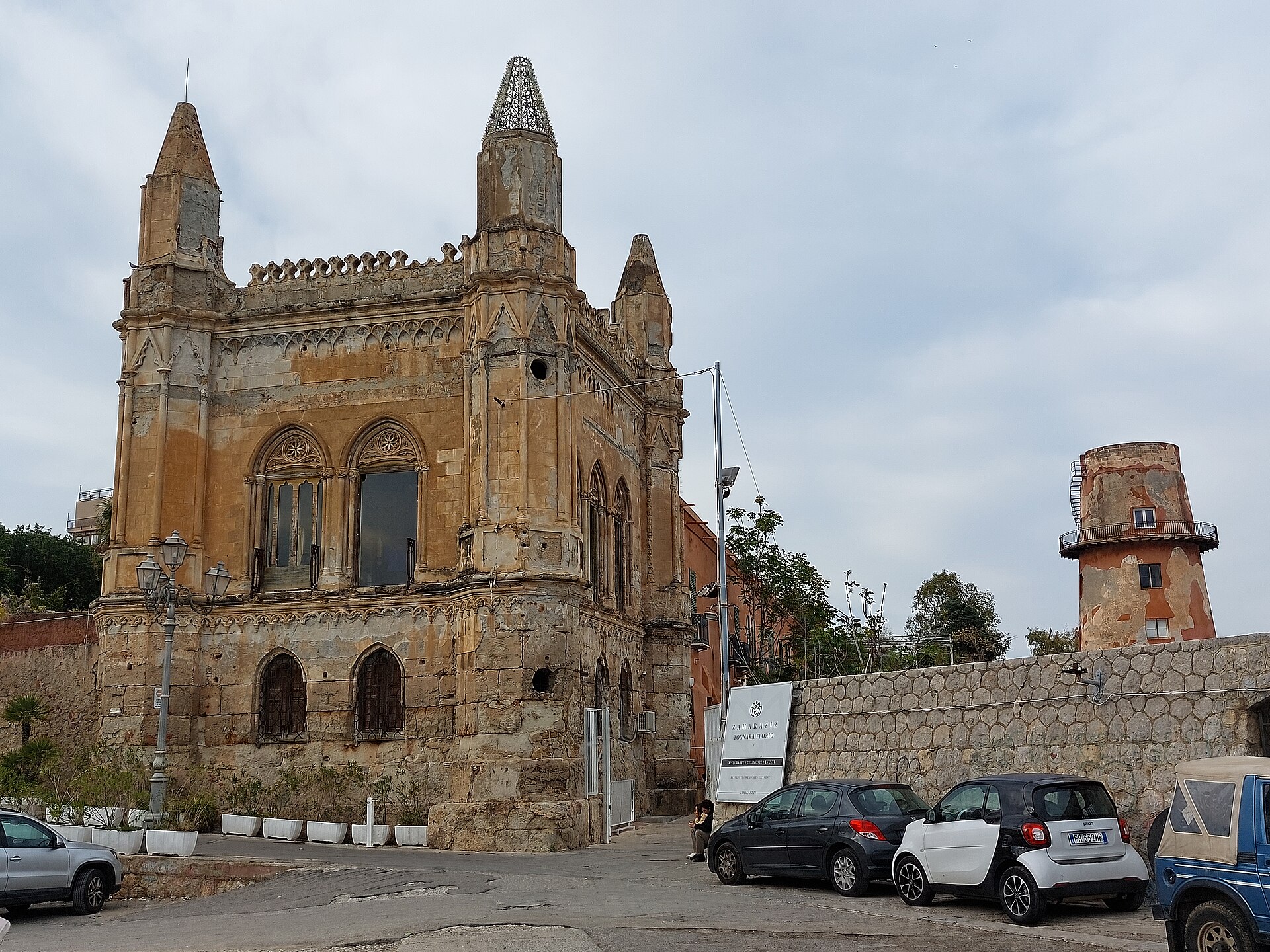
Just beyond the headland, at the Arenella, the Florio tonnara (tuna fishery) still gazes over the gulf with the Palazzina dei Quattro Pizzi (1844), the neo-Gothic castle Vincenzo Florio had Carlo Giachery build for him: Tsar Nicholas I and the Tsarina came in 1845 and wanted a copy of it at Peterhof. Today it can be visited with the Casa Florio association: from the flybridge of LUX you can see its roof. Further on, beneath Monte Pellegrino, the tonnara of Vergine Maria where Luchino Visconti lived. And the shipyard Ignazio founded in 1897 lies a few metres from the marina.
Sailing today from Marina Villa Igiea means leaving from that very same pier. The Kaiser and the Queen have gone; the sea, the light of Monte Pellegrino and that certain idea of elegance have stayed exactly where the Florios left them.
Then, from the sea
Catamaran Sicily, the floating resort: Bali 4.6 with skipper and hostess
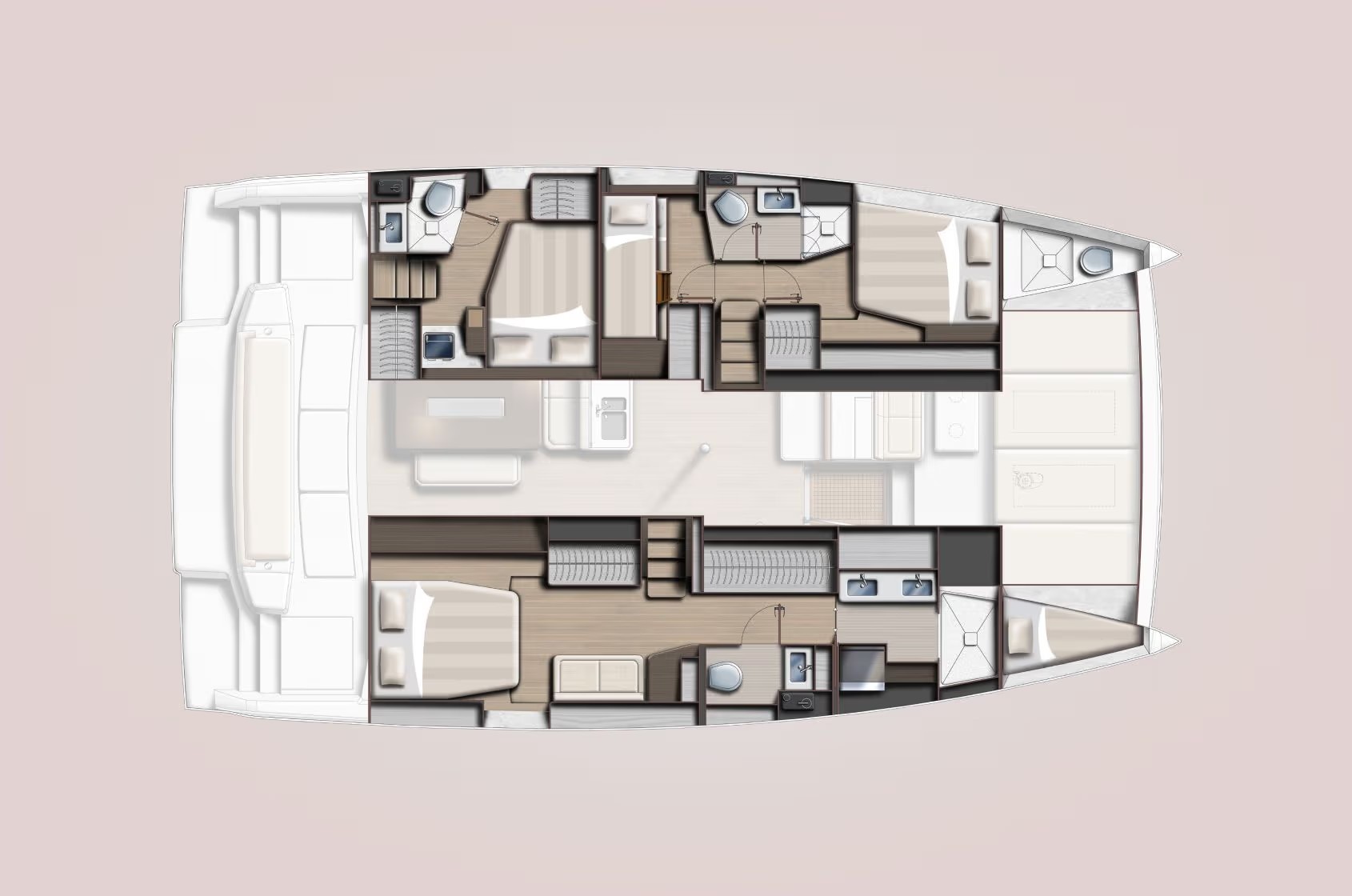
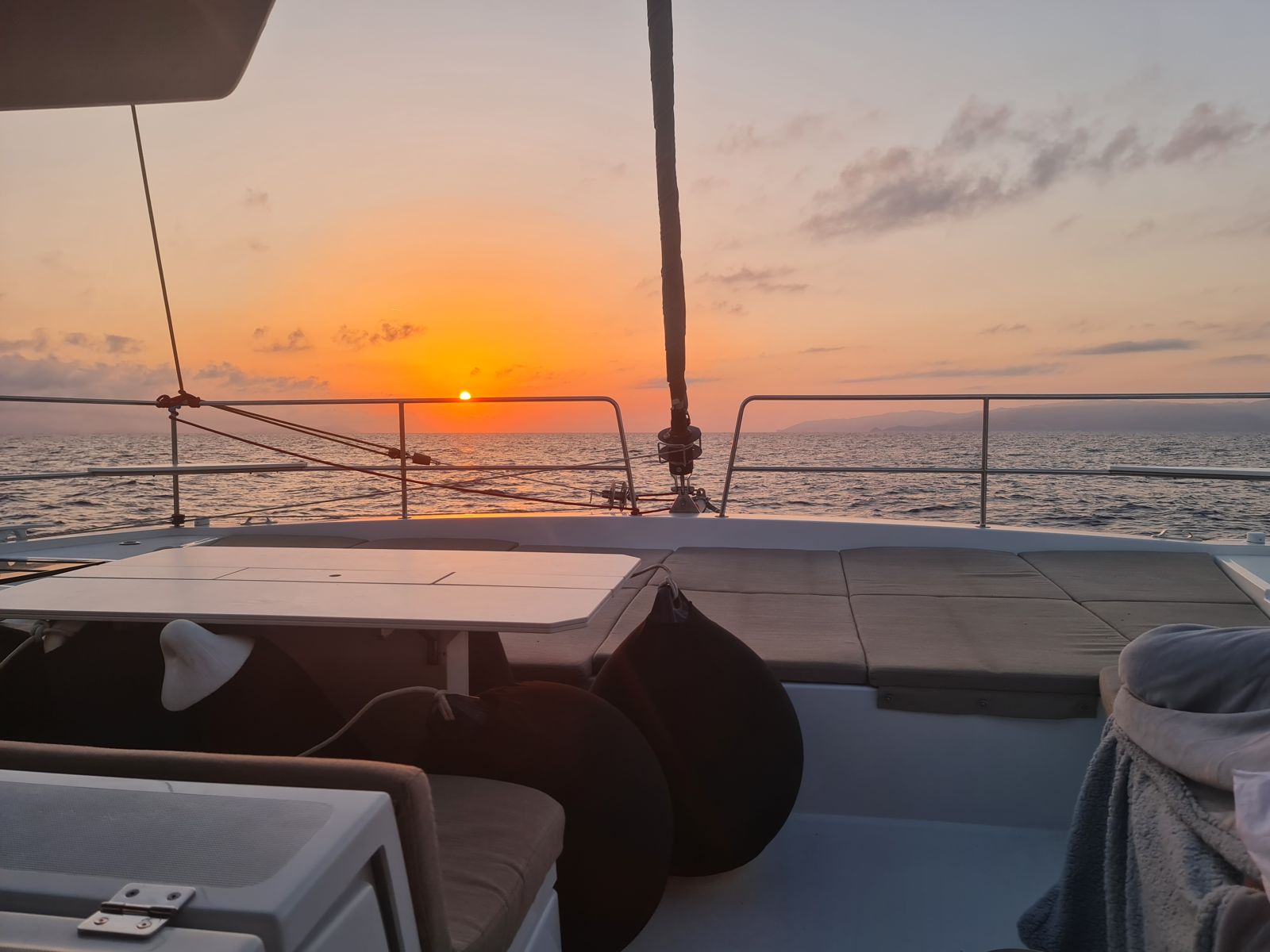
A terrace that sails. The Bali 4.6 joins saloon and cockpit through a single tilting door: inside and outside become one living space, from breakfast to sunset. Above, the flybridge. Below, five cabins with four bathrooms — no queues.
The boat
4 double beds + 2 bunks across five cabins, four heads, plus a crew cabin with its own head forward: 11 berths including the skipper. 6 air-conditioning units (one per space), generator, watermaker, water purifier, ice maker, microwave, Starlink, tender with outboard, SUP: all included, nothing to ask for.
The hostess: the switch
She is the one who turns the week from ordinary to five-star. With the hostess on board the boat stops being a boat and becomes a resort: beds made every morning, bathrooms in order, breakfast on the flybridge, snacks, sunset aperitivo, drinks, lunch at anchor and dinner under the stars. And she brings with her the art of Sicilian cooking and hospitality: the right fishmonger on every island, the capers of Salina, the tuna of Favignana, granita in the morning, cassata on the evening of the last day. You never touch a plate.
The skipper
He sets the route and the moorings around the weather and your wishes; he knows every cove of the Aeolian and Egadi Islands, and the stories to tell in front of each one.
The day
08:00 breakfast in the cockpit, at anchor · 10:00 we set sail · 13:00 a cove, a swim, lunch by the hostess · 17:00 mooring, the village, a granita · 20:30 aperitivo and dinner on board, or a table ashore · a night of stars and a gentle roll.
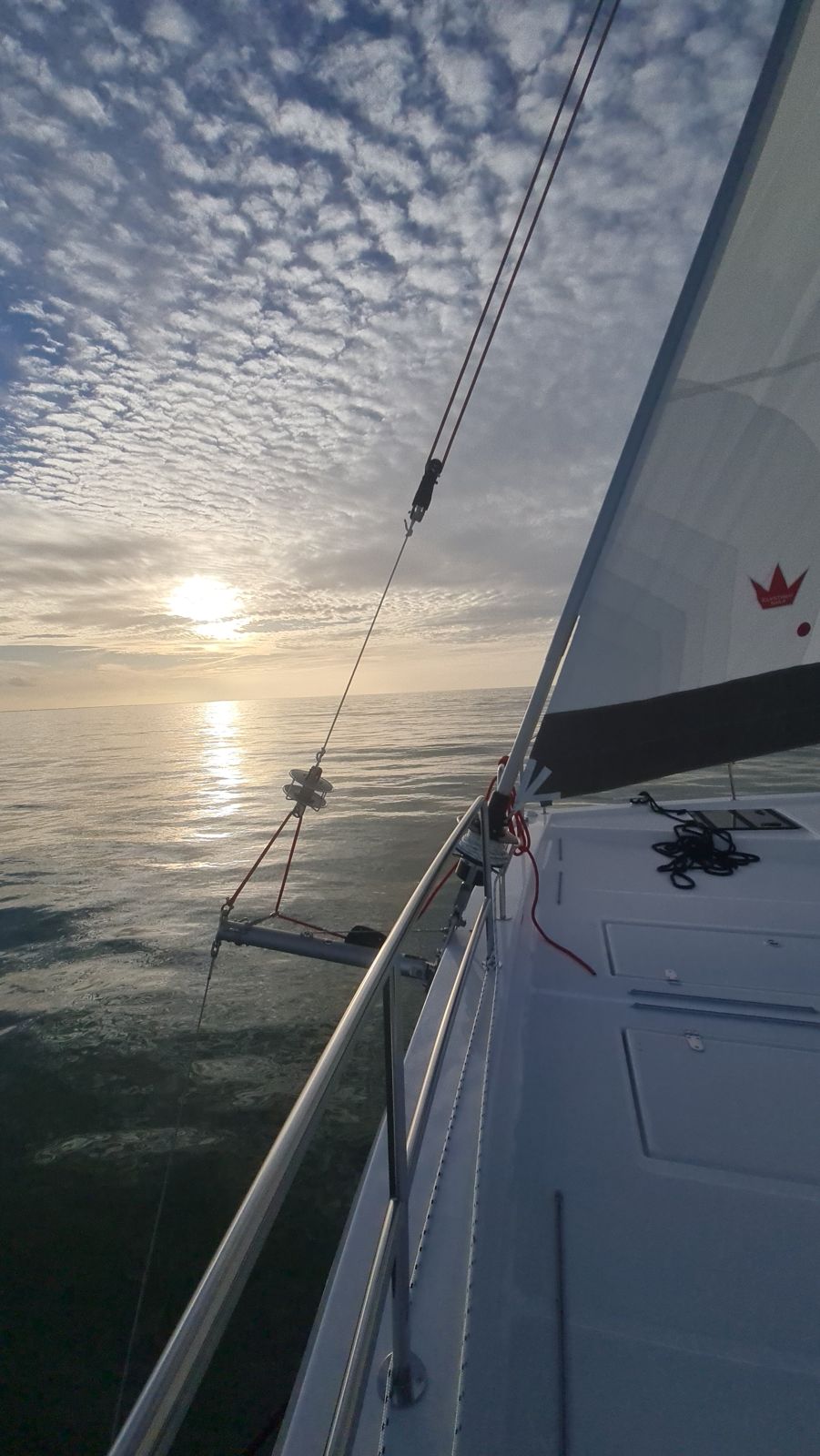
LUX layout: 5 cabins, 4 heads + crew cabin forwardLUX a Villa Igiea, al tramontoIn navigazioneVela al tramontoL'alba dal flybridgeAll'ormeggioSotto Villa IgieaDi notte in marinaIl cannolo a bordo
Seven days
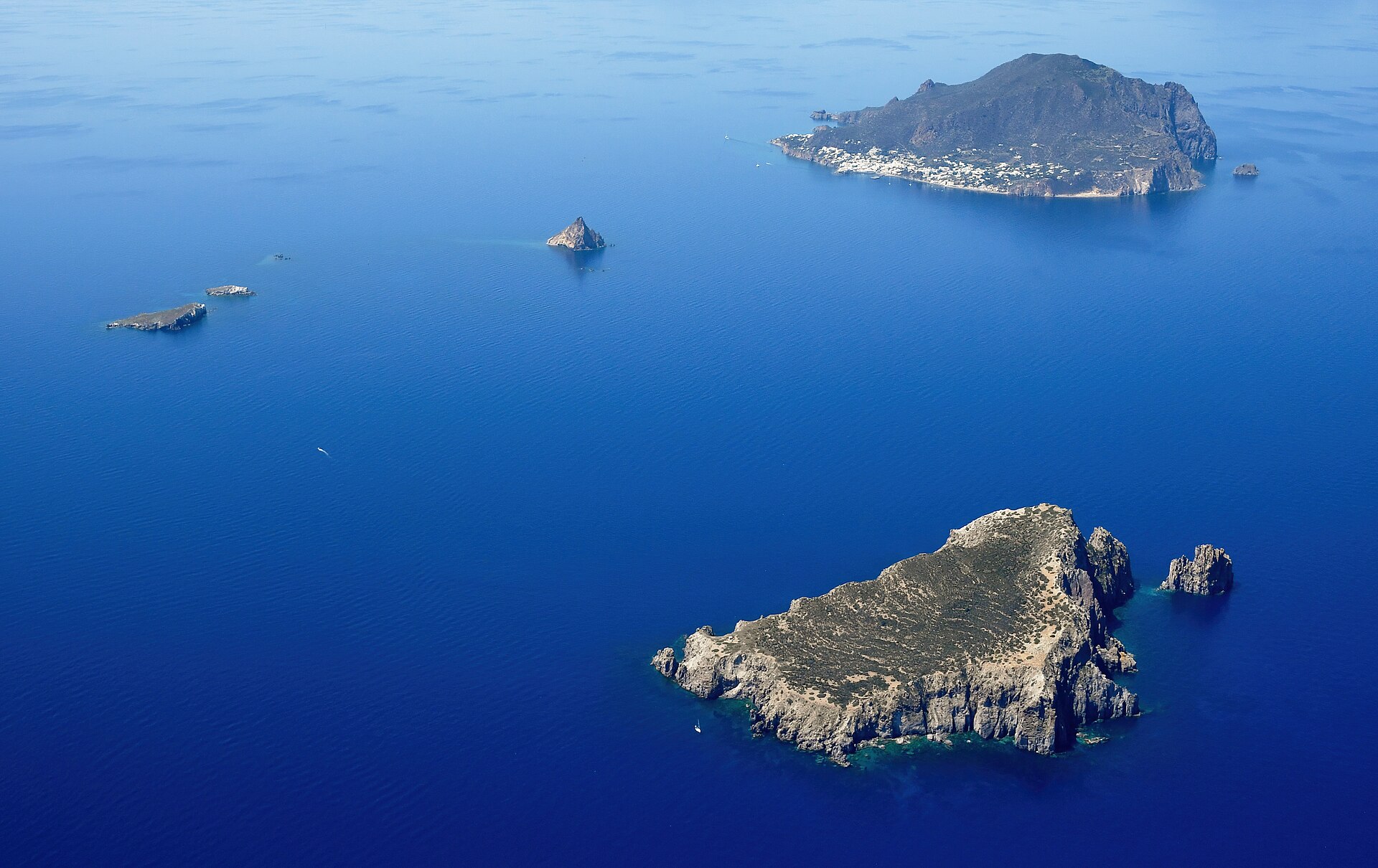
Catamaran Aeolian Islands: seven days from Vulcano to Stromboli
The story
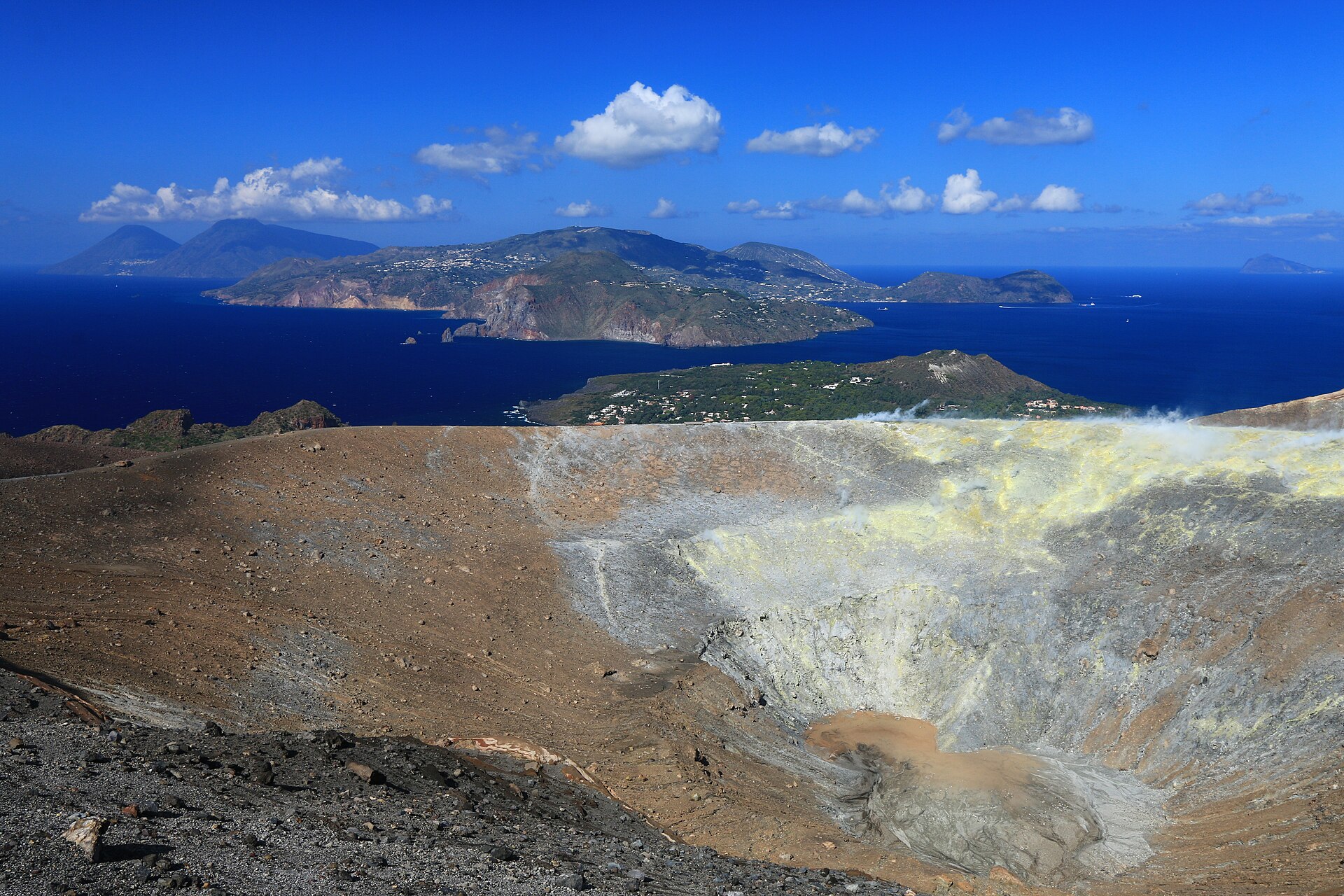
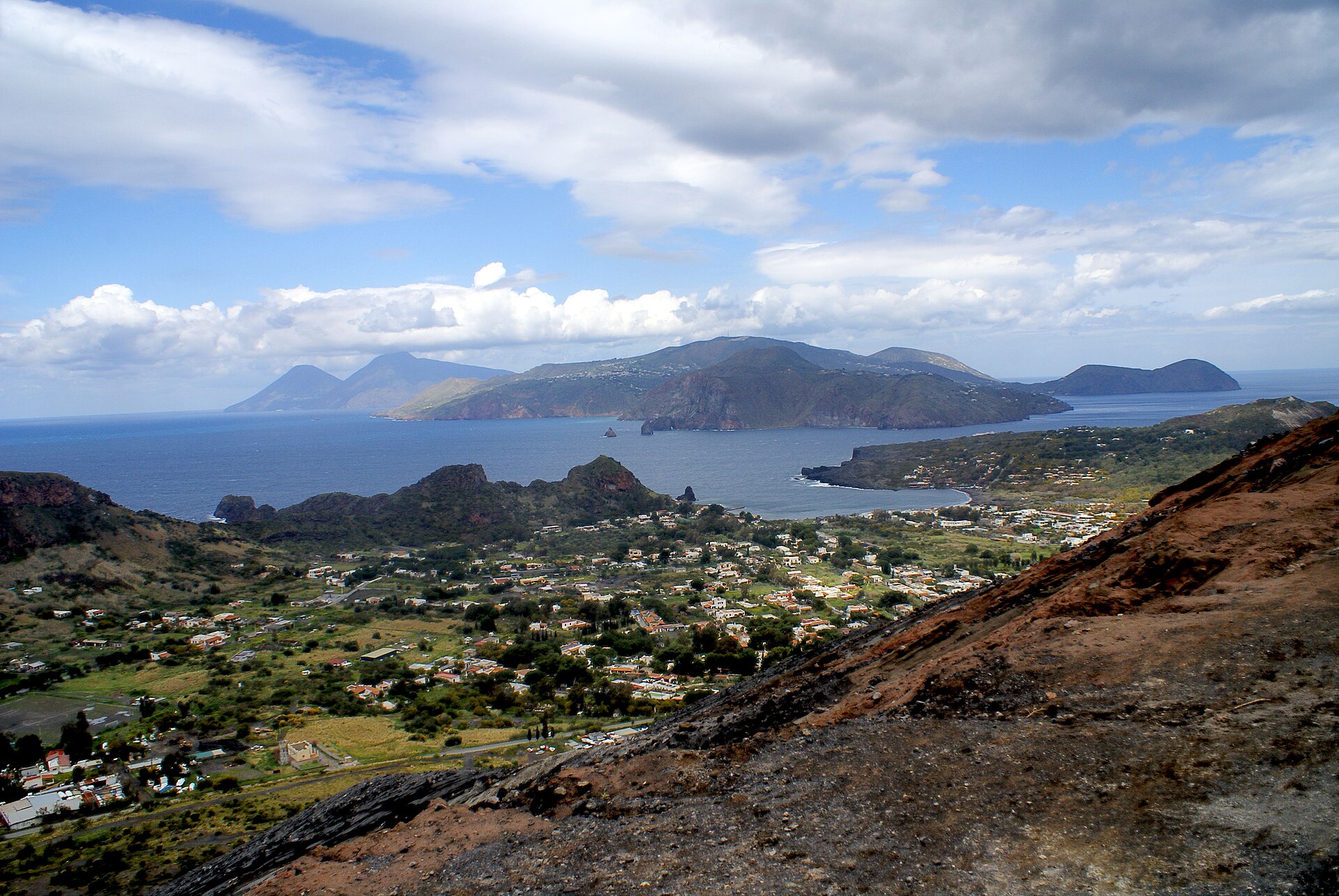
The islands of Aeolus, king of the winds, who in the Odyssey hands Ulysses the bag of winds: seven volcanoes risen from the Tyrrhenian Sea. Here, from 5500 BC, the obsidian of Lipari was the Mediterranean's first trade; in 1544 Barbarossa sacked Lipari and Charles V ringed it with bastions; in 2000 UNESCO listed the islands as a model of how volcanology evolved — "Vulcanian" and "Strombolian" are words born here. In 1950 Rossellini shot Stromboli with Ingrid Bergman; in 1994 Massimo Troisi finished Il Postino at Pollara, on Salina, twelve hours before he died.
Vulcano
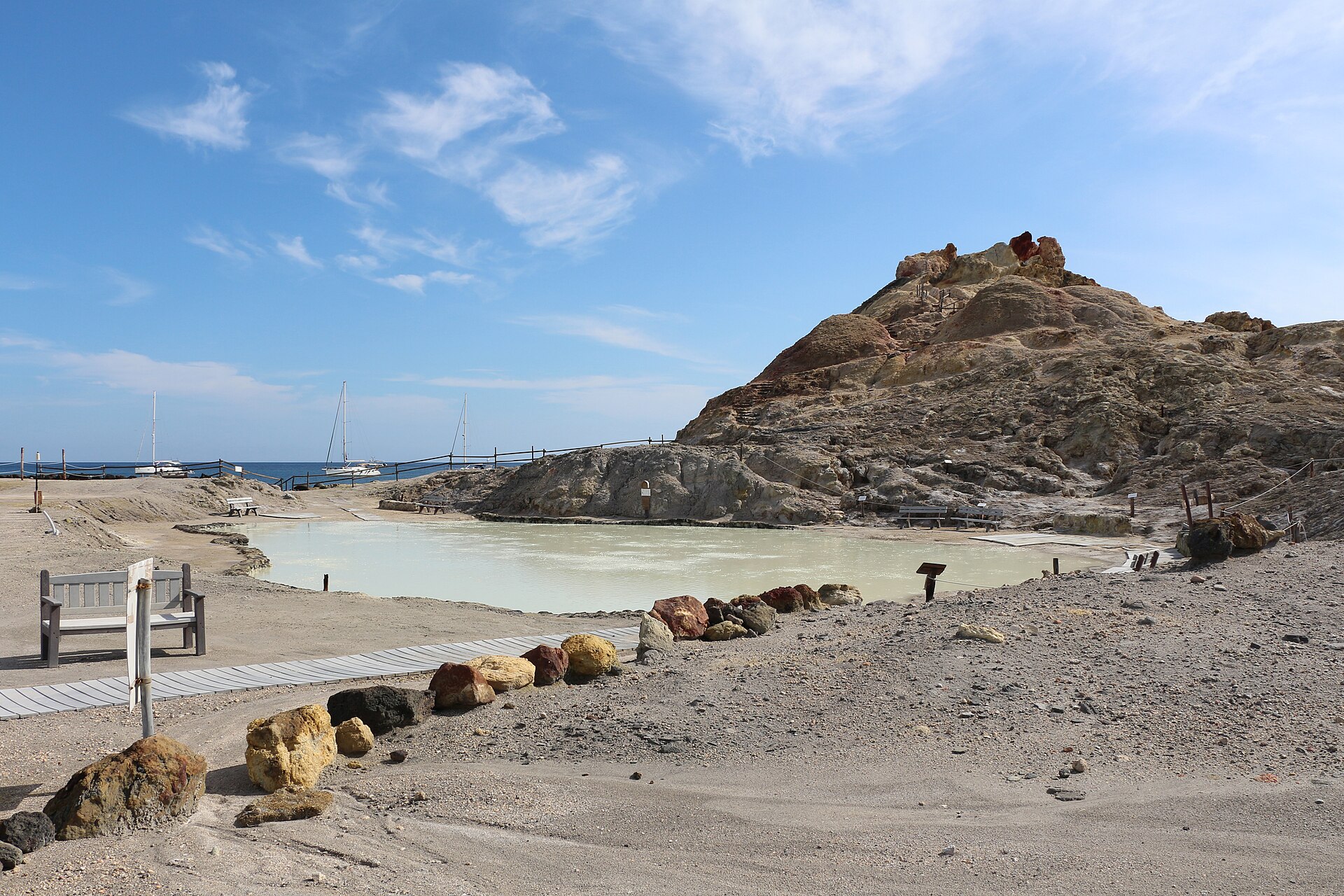
See: the Gran Cratere (an hour's climb, last eruption 1890; views over all seven islands and Mount Etna) and the Pozza dei Fanghi mud pools, reopened in 2025. Eat: grilled fish at the Porto di Levante with a dry Malvasia — or the two Michelin stars of I Tenerumi at Vulcanello.
Lipari
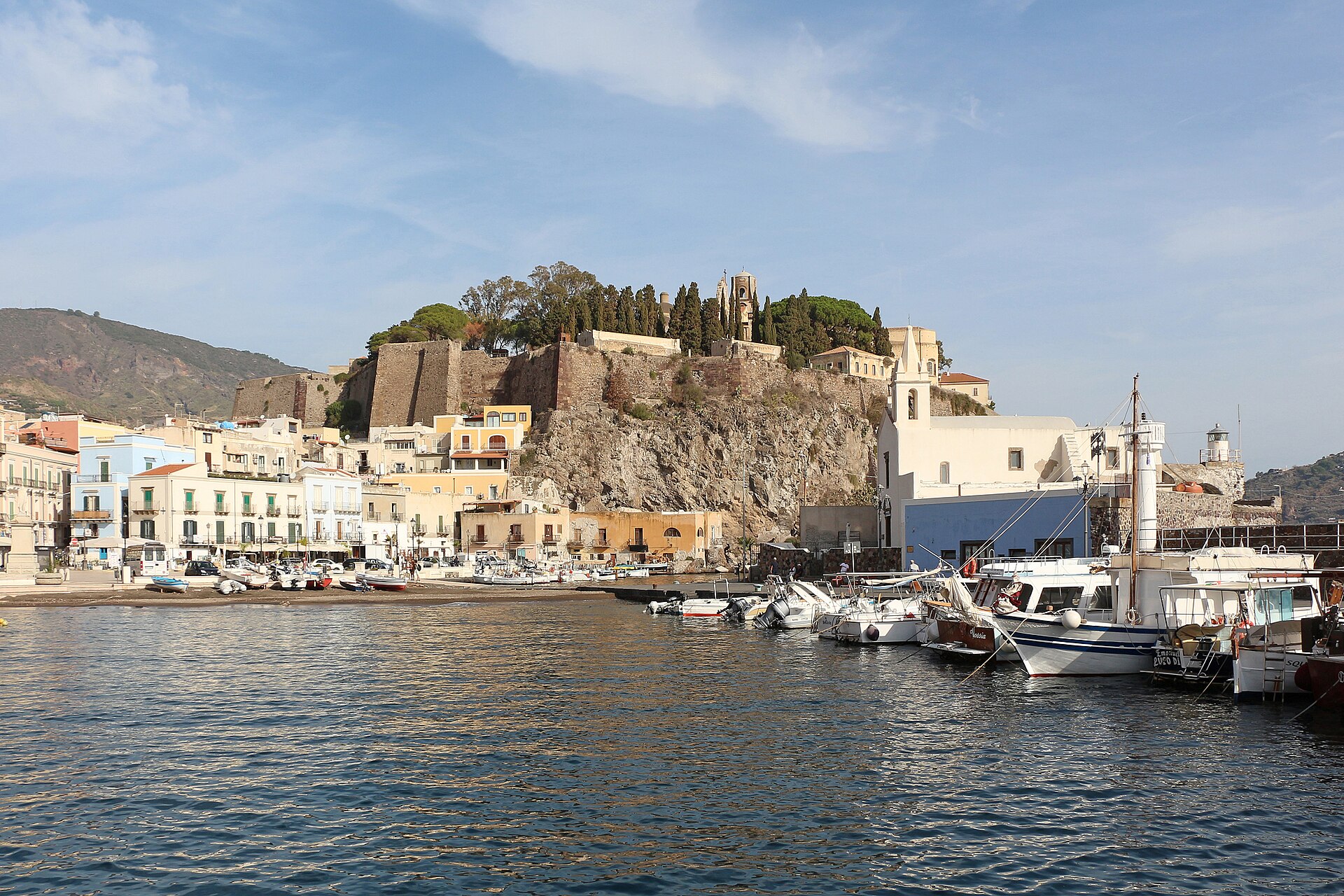
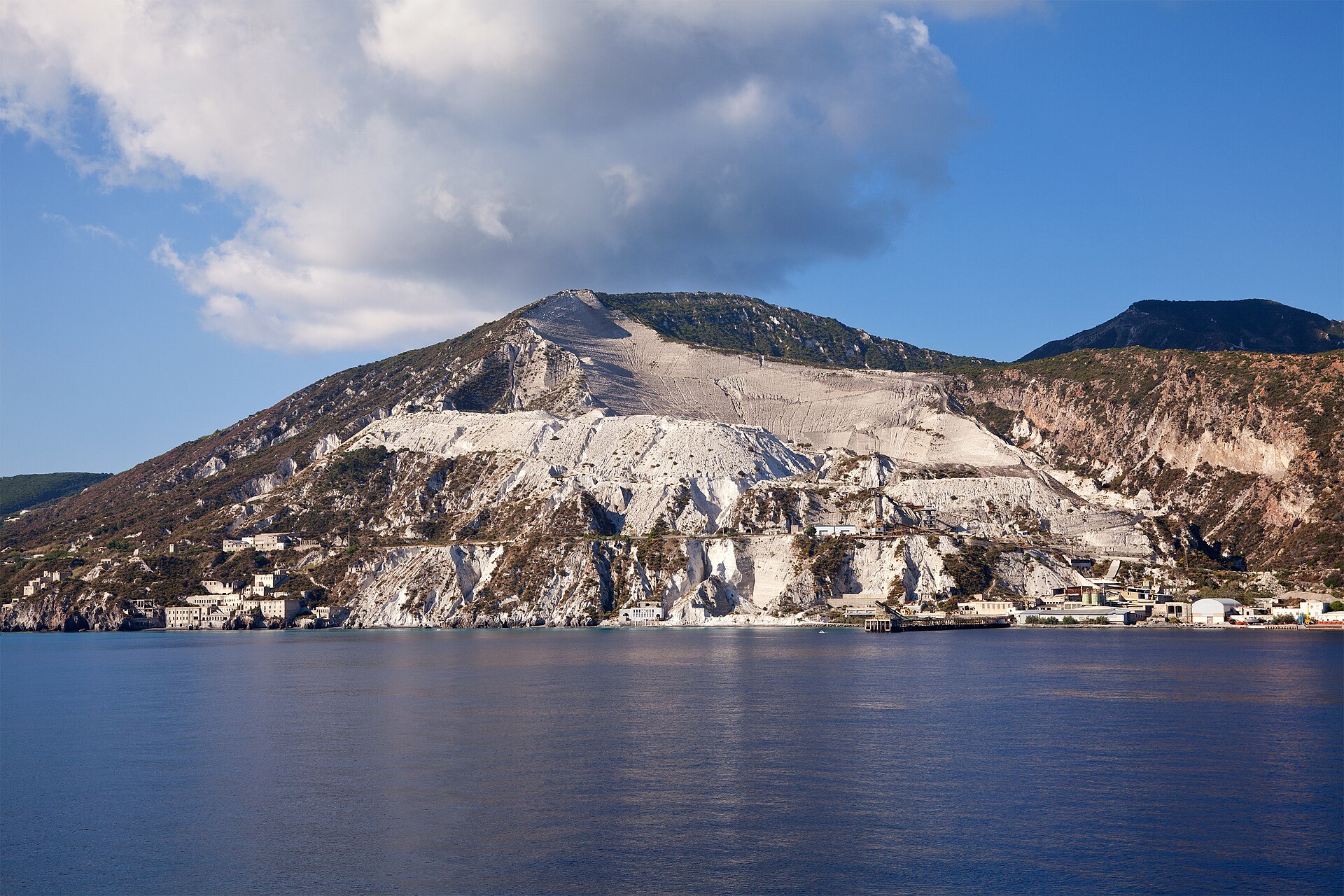
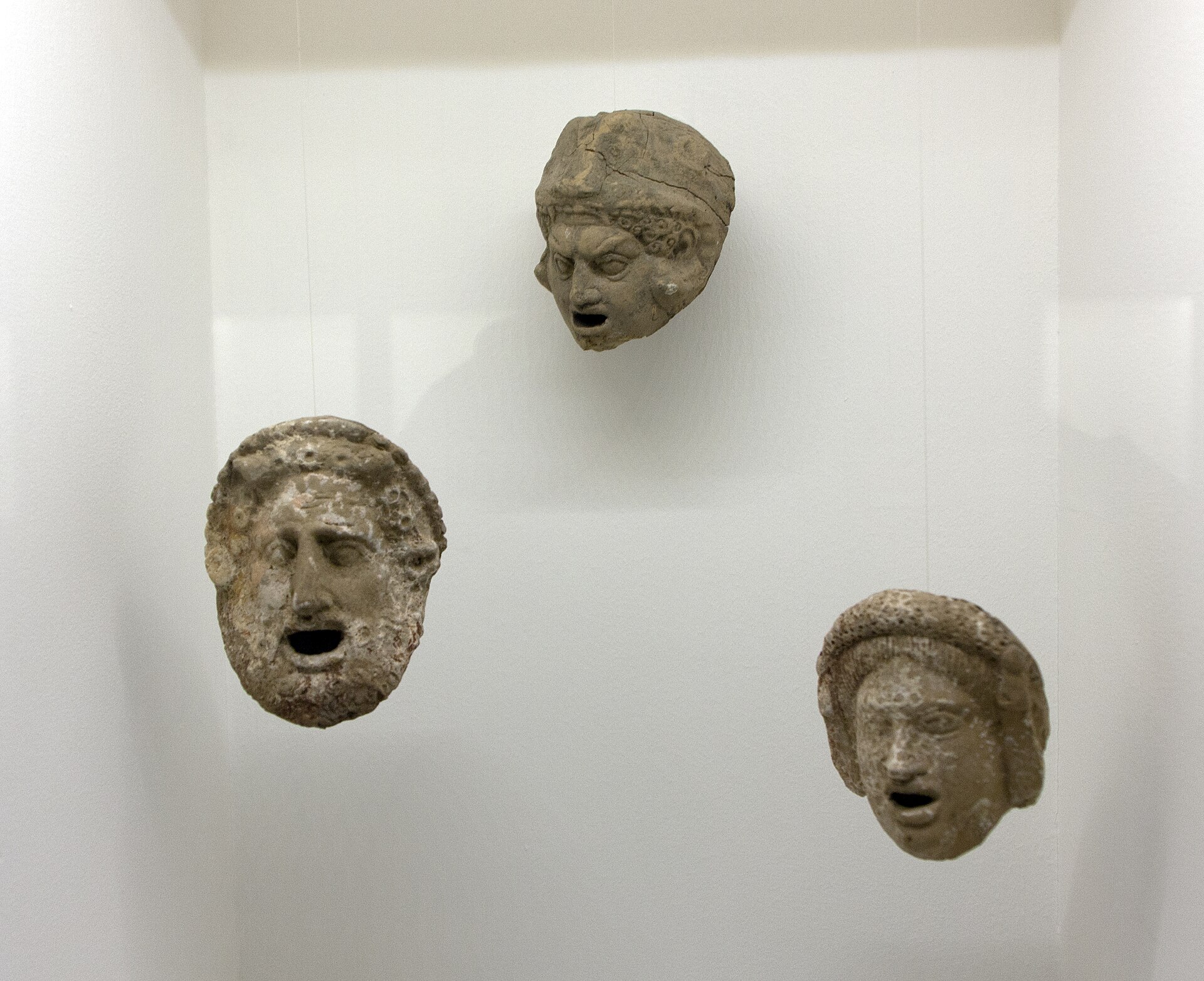
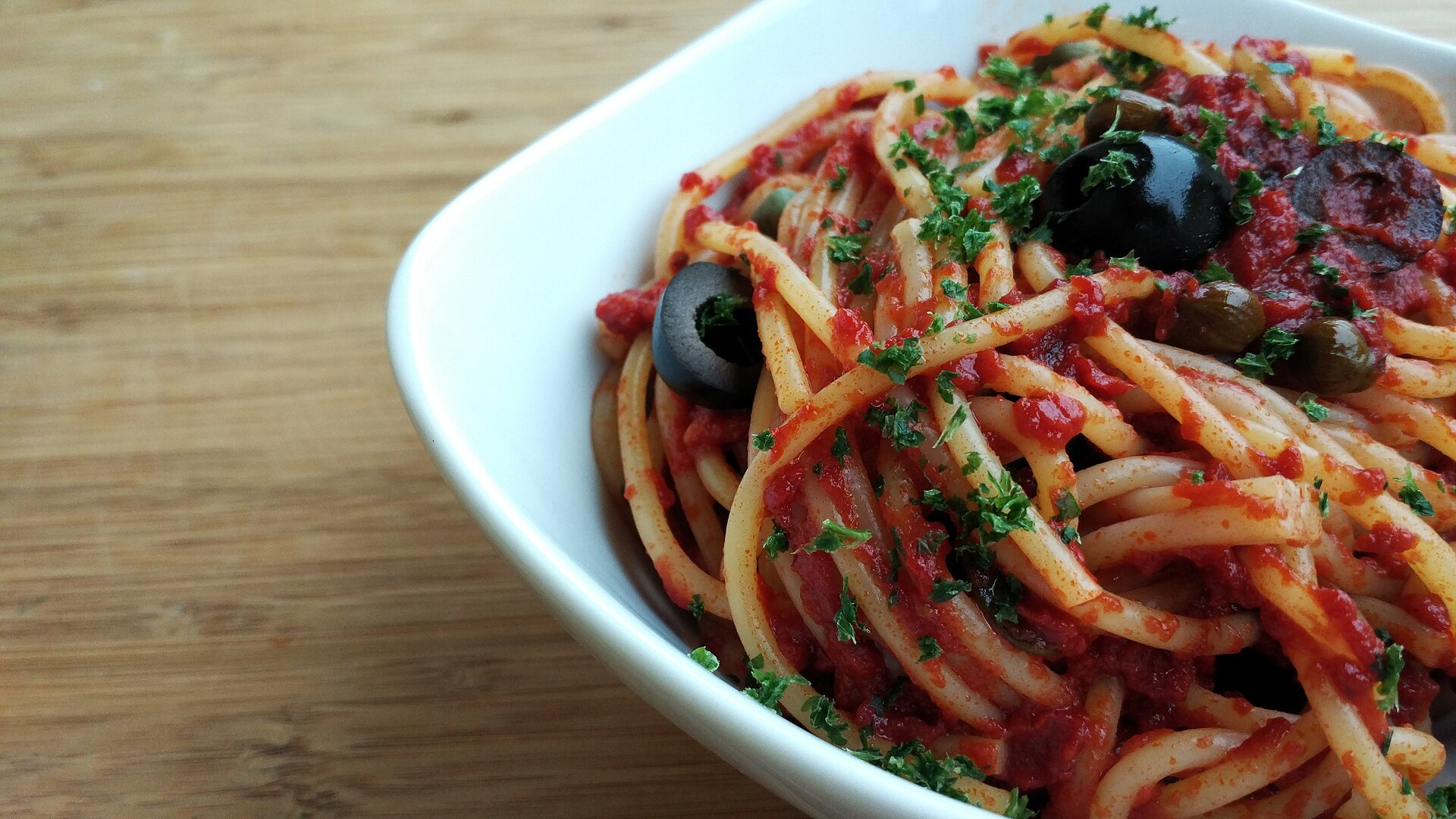
See: the Castle with its Norman cathedral and the Museo Archeologico Eoliano (Bernabò Brea): the grave goods of 3,000 Greek tombs and the world's largest collection of terracotta theatre masks. From the sea: the white pumice quarries and Spiaggia Bianca, the obsidian Rocche Rosse. Eat: pasta all'eoliana with capers and olives, stuffed totani (flying squid); mulberry granita.
Salina
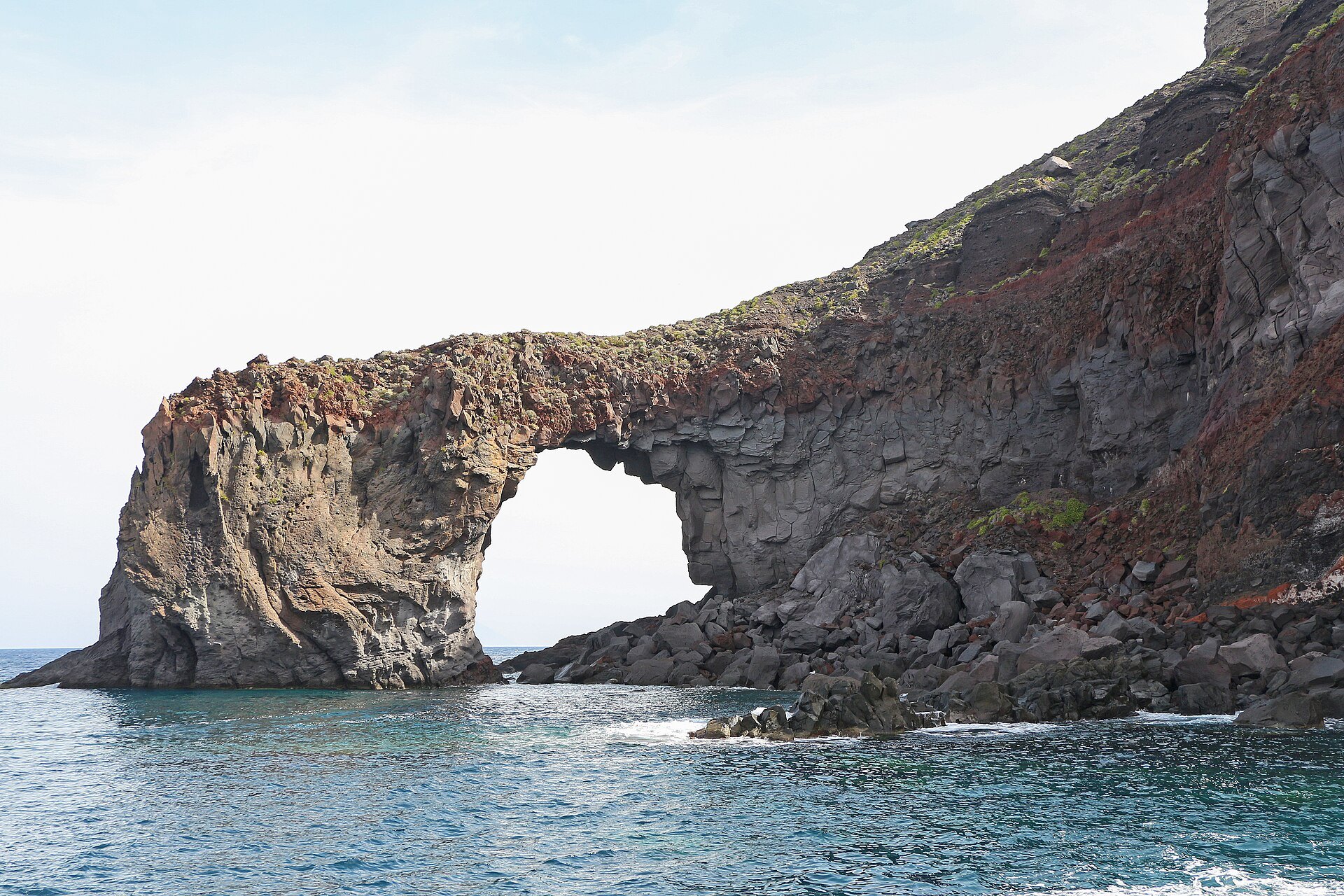
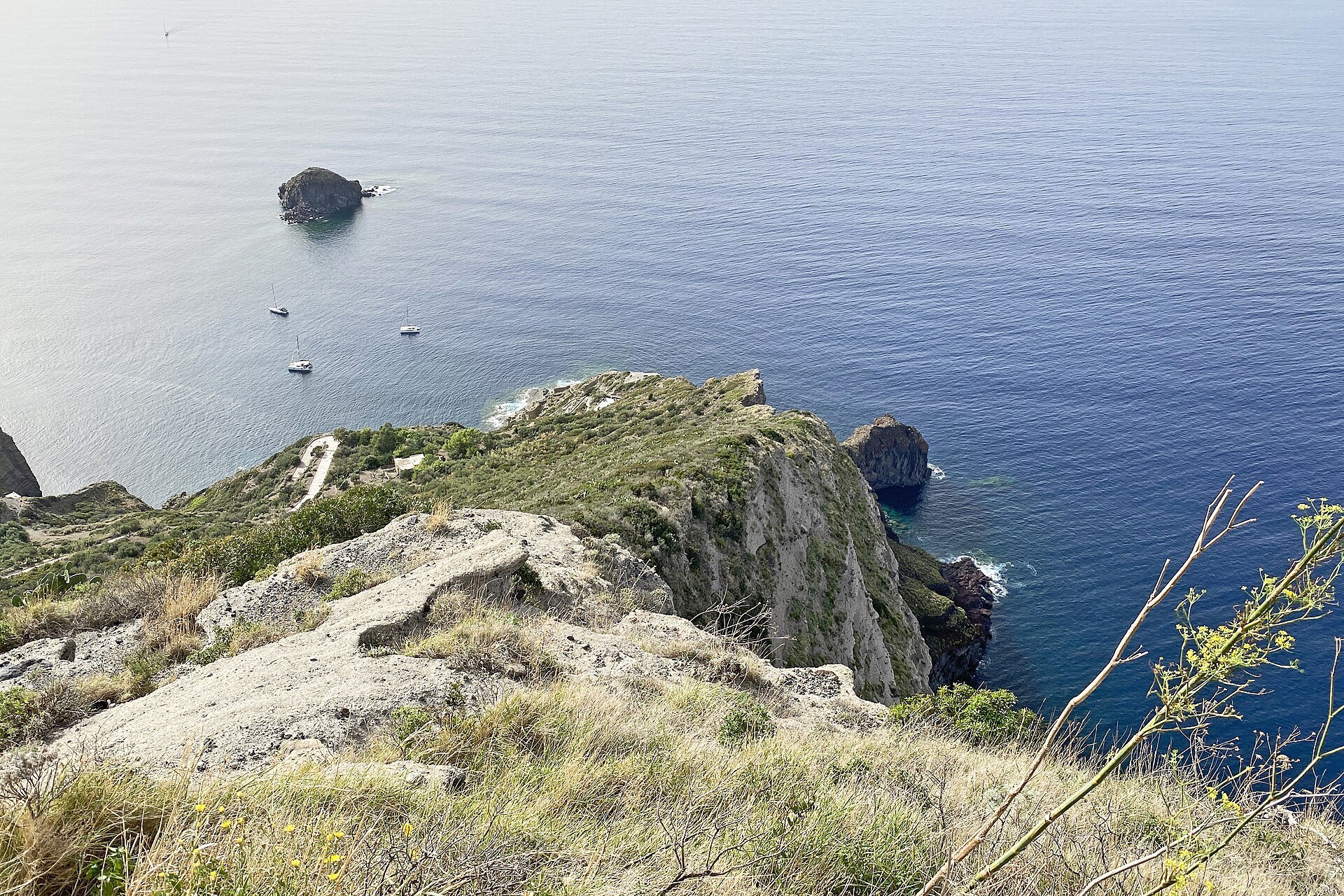
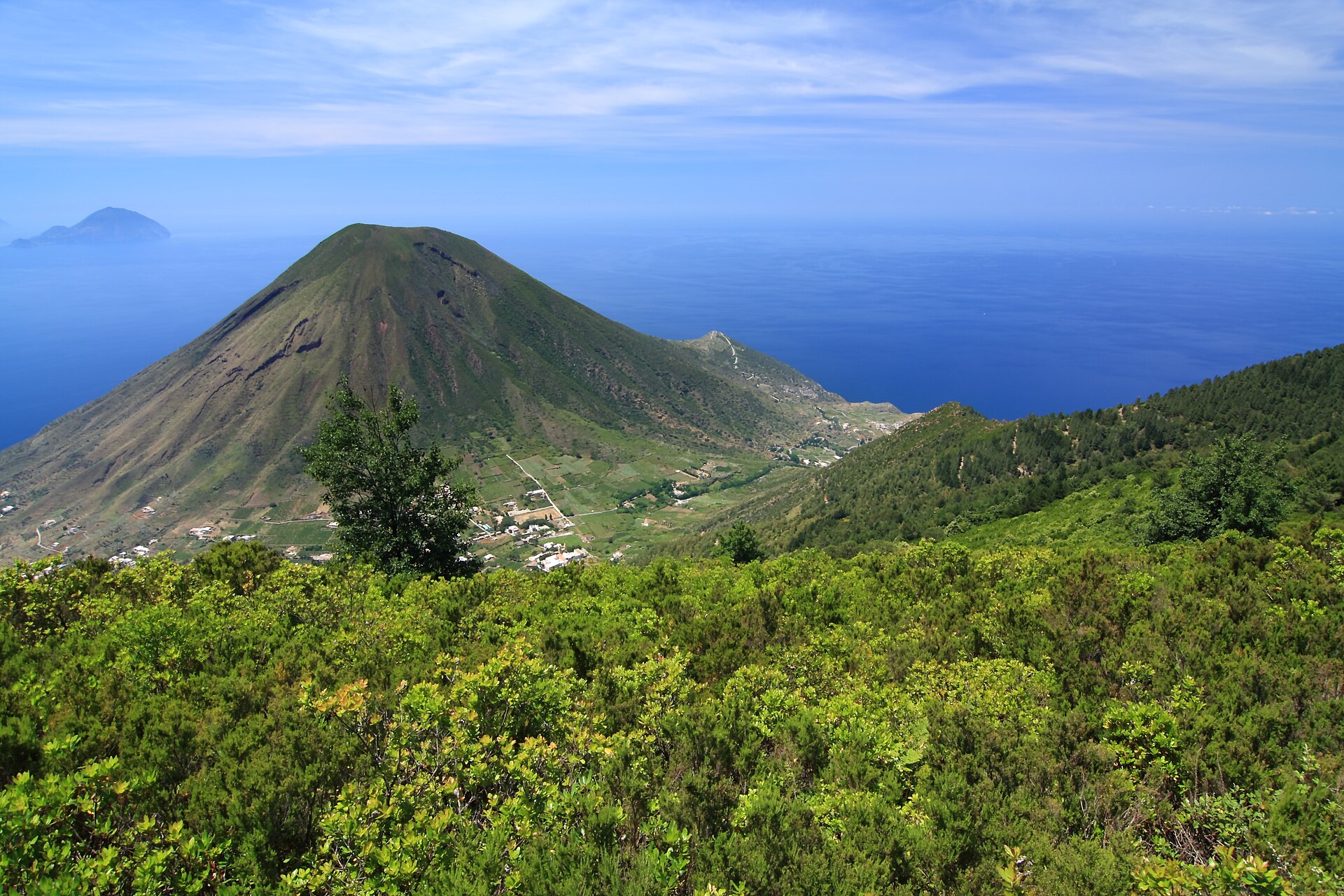
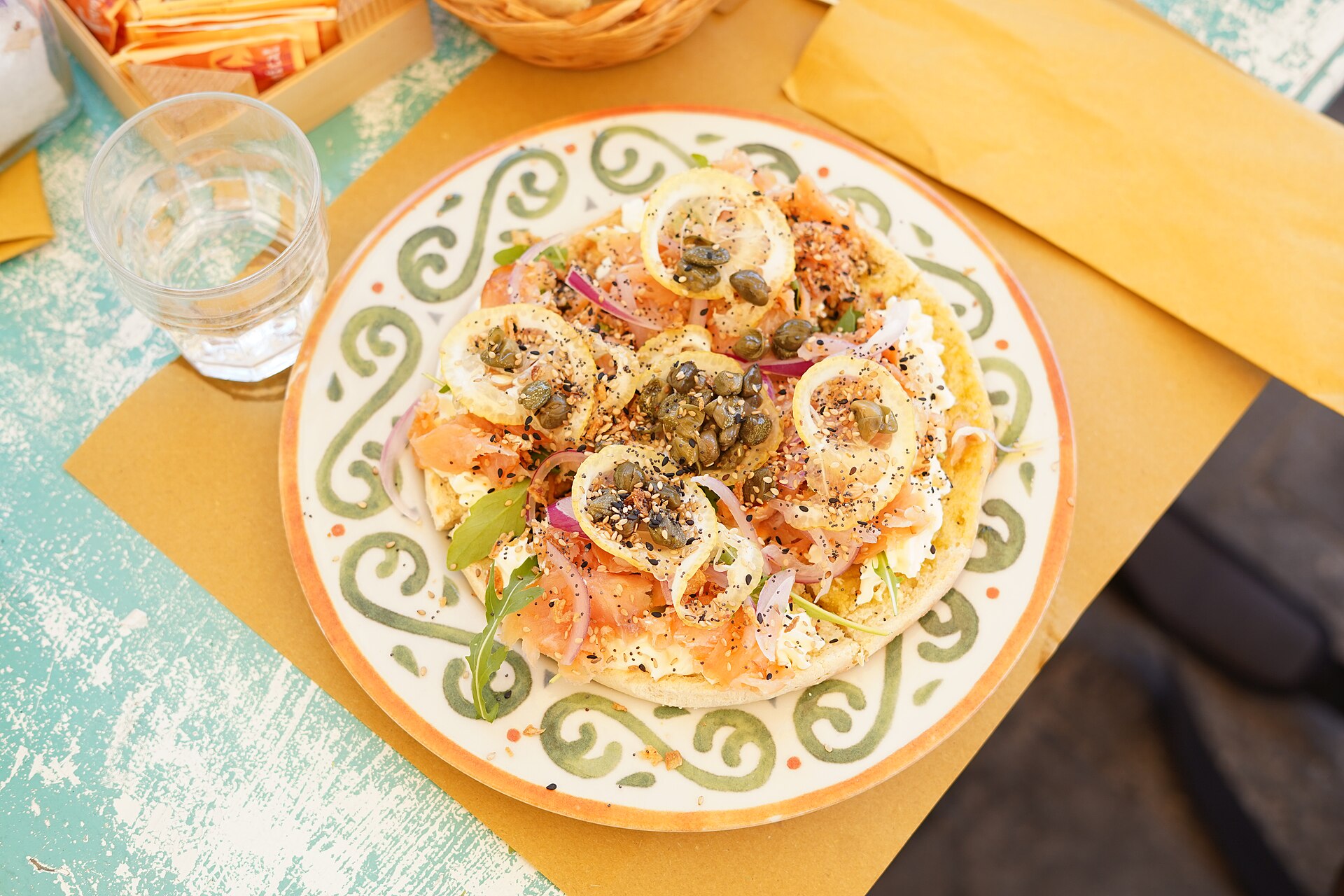
See: the bay of Pollara, half a crater fallen into the sea, and Neruda's red house from the film; the Fossa delle Felci, the highest peak of the Aeolians. Drink:Malvasia delle Lipari DOC in the wineries that brought it back to life — Hauner (since 1963), Caravaglio, Tasca d'Almerita's Capofaro. Eat: the Salina caper, a Slow Food Presidium, and the pane cunzato (dressed bread) at Da Alfredo in Lingua, as big as a pizza, with a mulberry granita beside the salt lagoon that gives the island its name. The hostess brings it on board.
Panarea
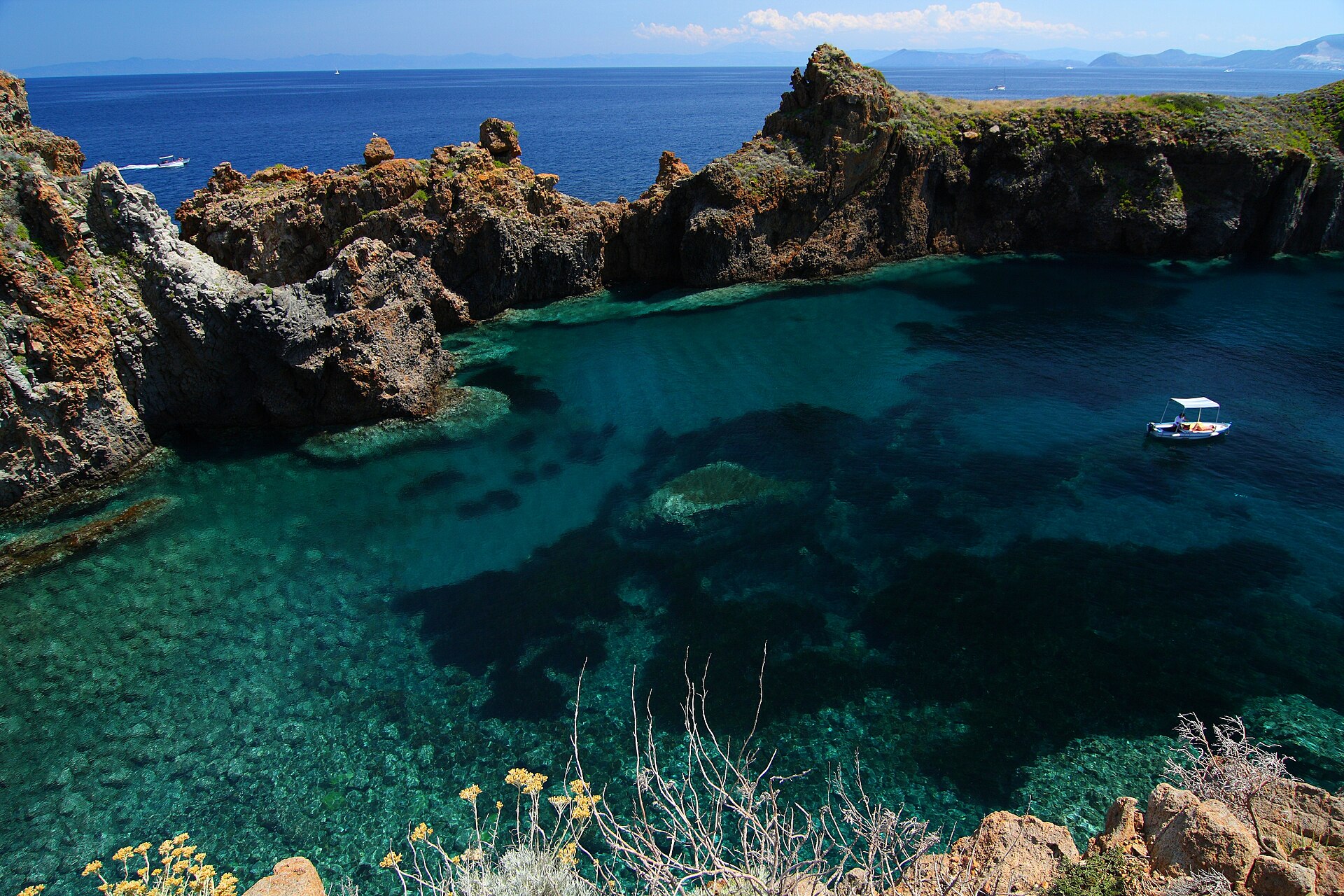
See: Cala Junco and the Bronze Age village of Capo Milazzese (14th century BC, pottery with Minoan influences); the islets of Basiluzzo with their Roman villa; the underwater fumaroles between Lisca Bianca and Bottaro, for snorkelling. Evening: aperitivo on the flybridge facing the lights of the Raya.
Stromboli
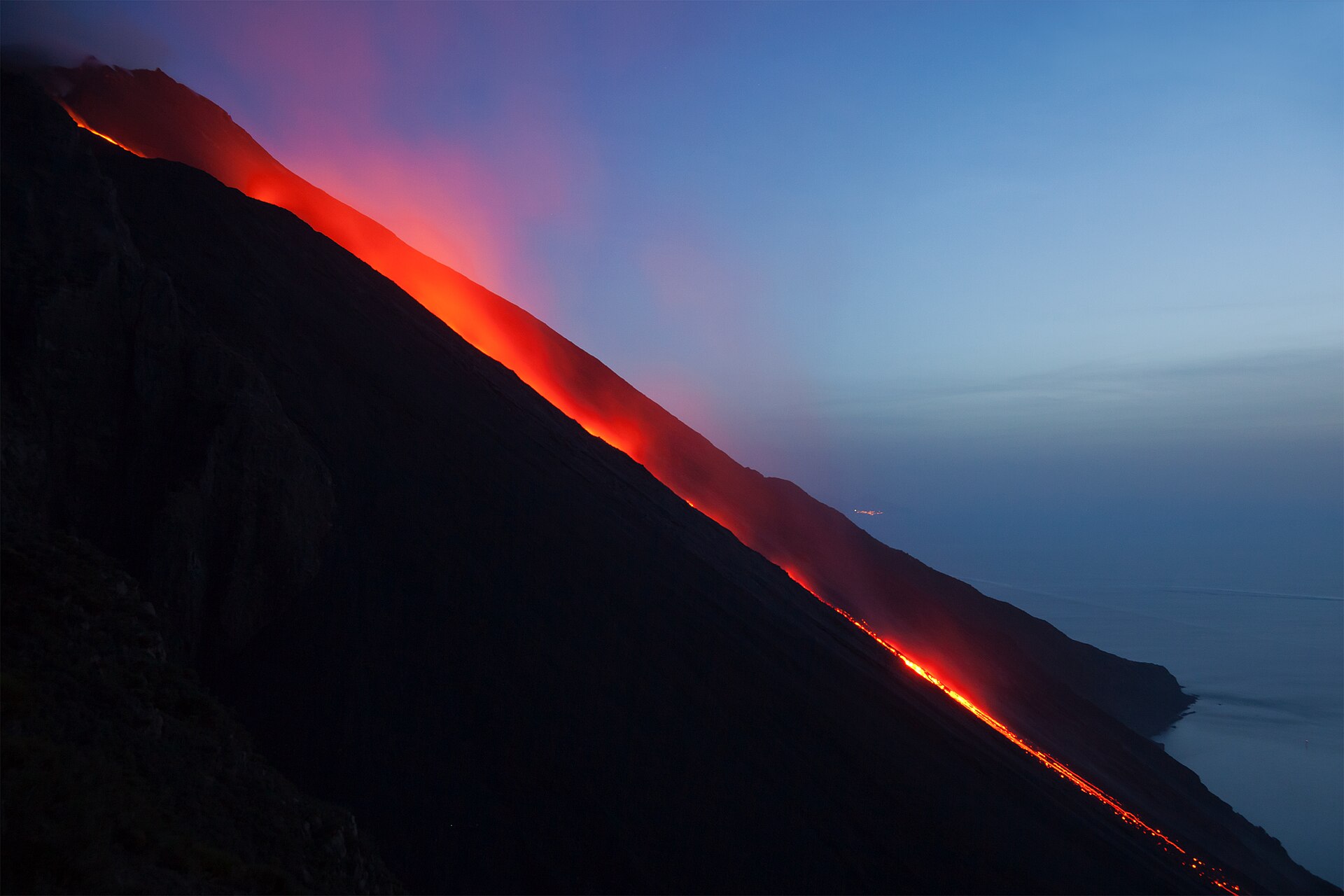
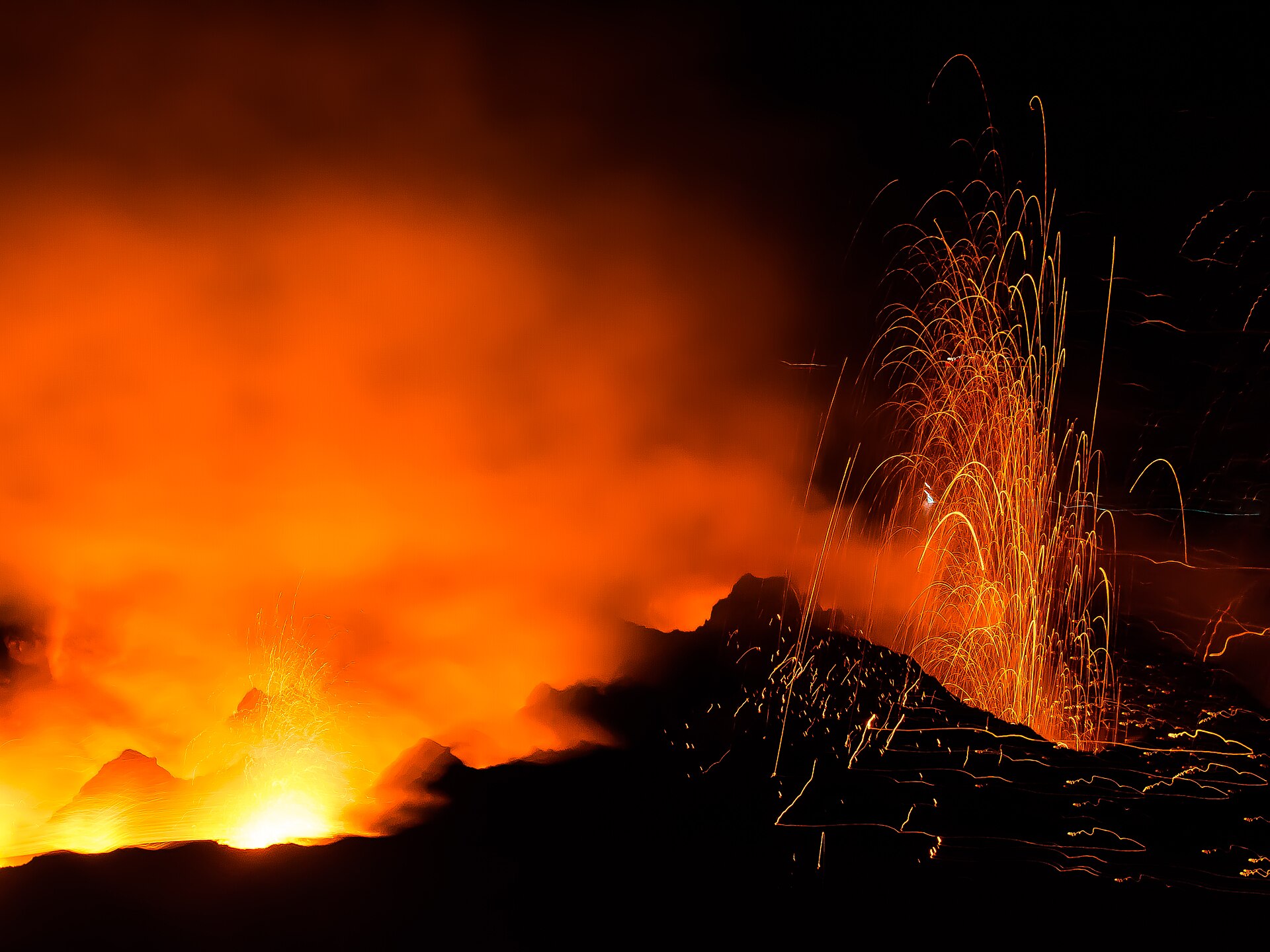
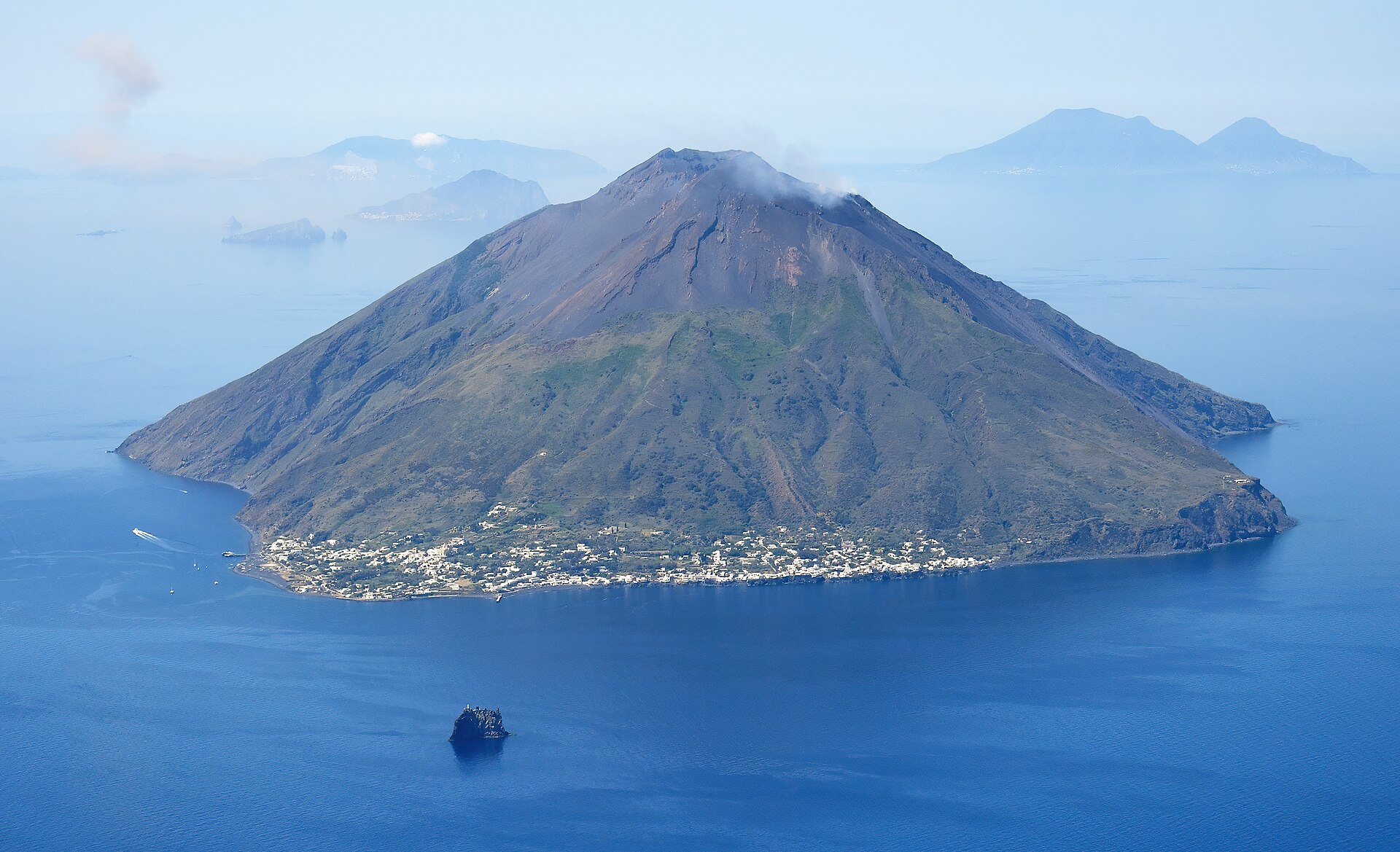
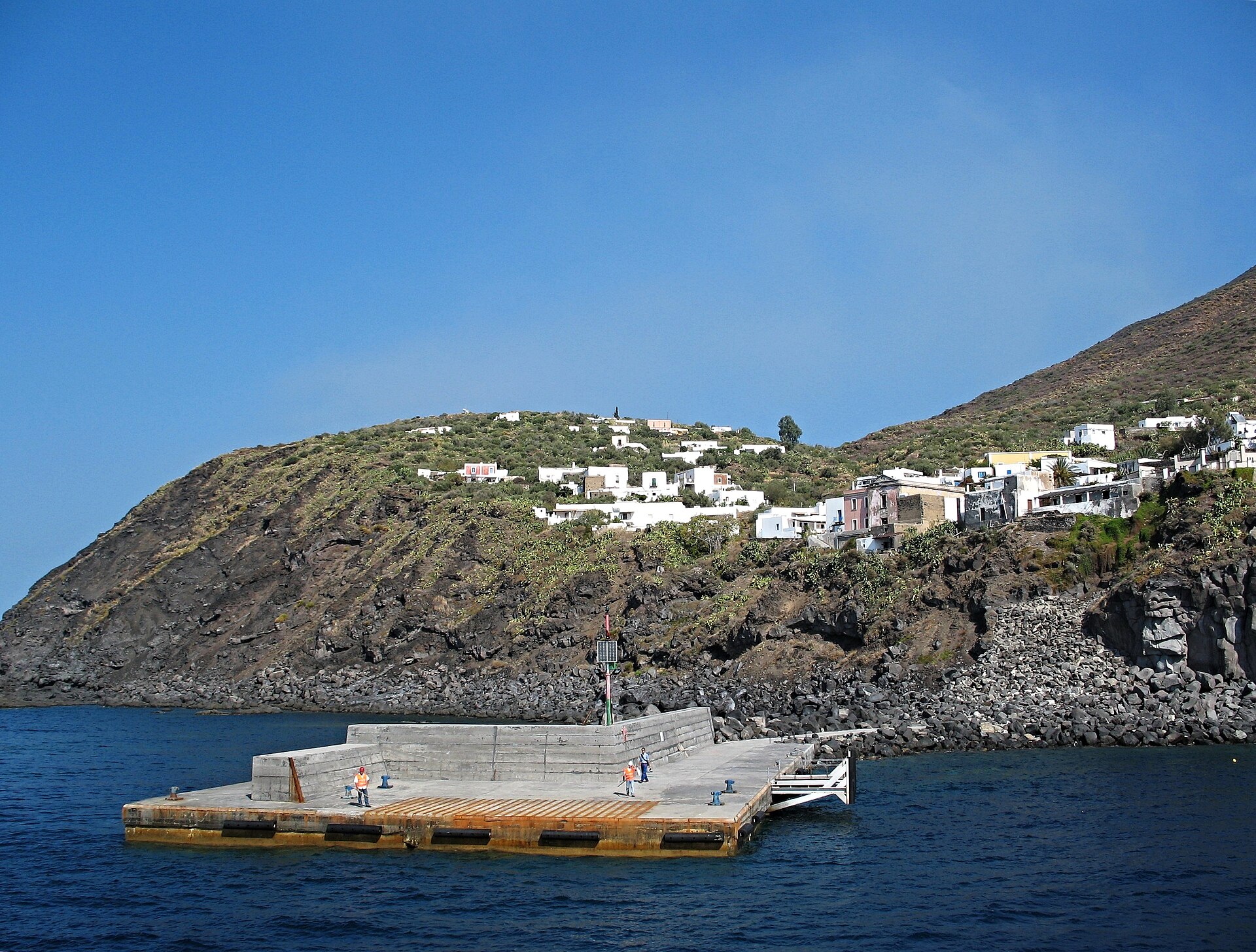
See: the Sciara del Fuoco — the volcano's fiery slope — by night, from the sea, with the hostess serving dinner as the mountain lights up: the image no photograph can capture. Strombolicchio, the lighthouse on the volcanic neck. Ginostra, forty inhabitants, no roads, and "the smallest harbour in the world". The crater can be climbed only with a guide up to 400 m; the summit is off limits.
Filicudi and Alicudi
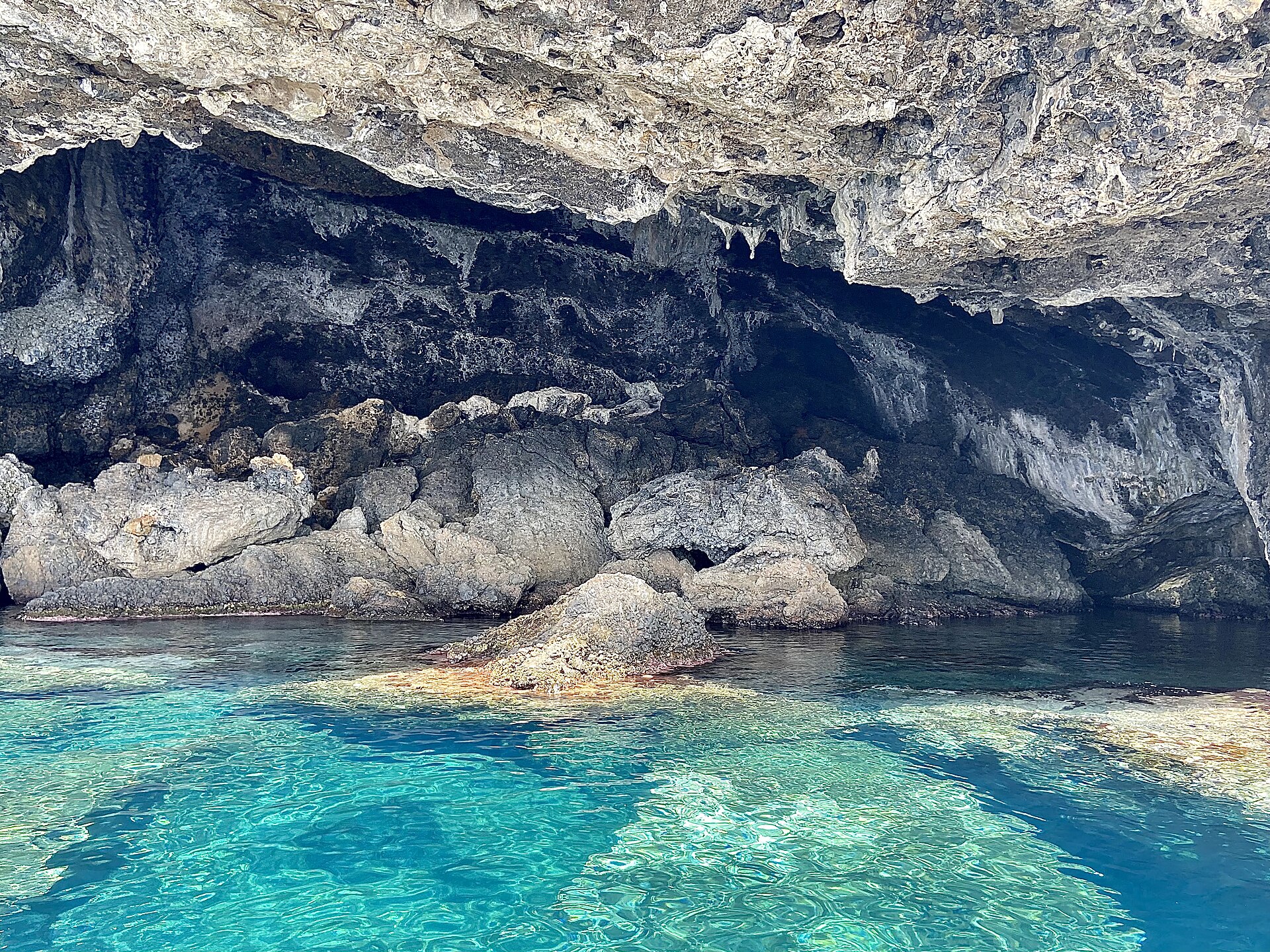
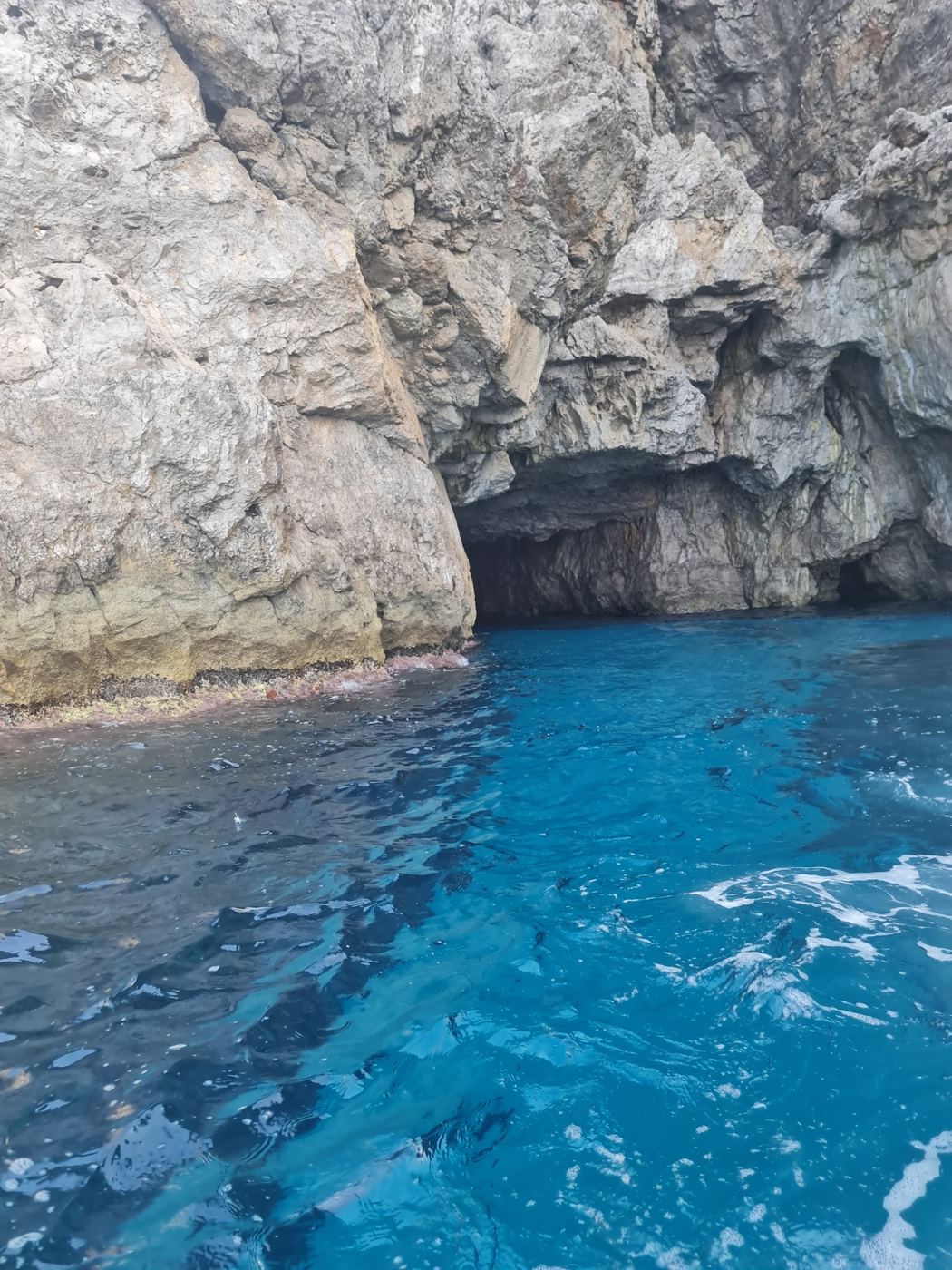
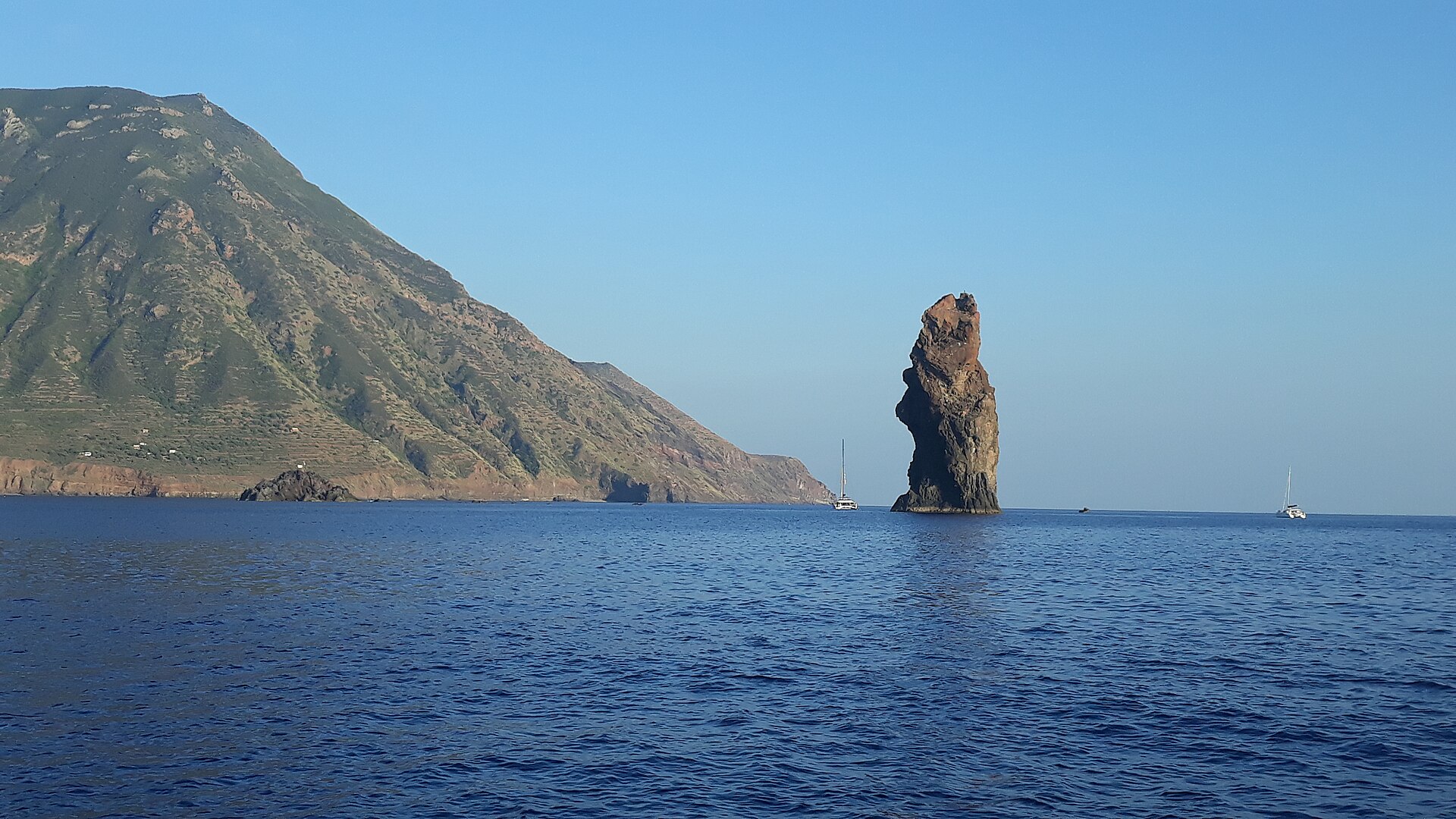
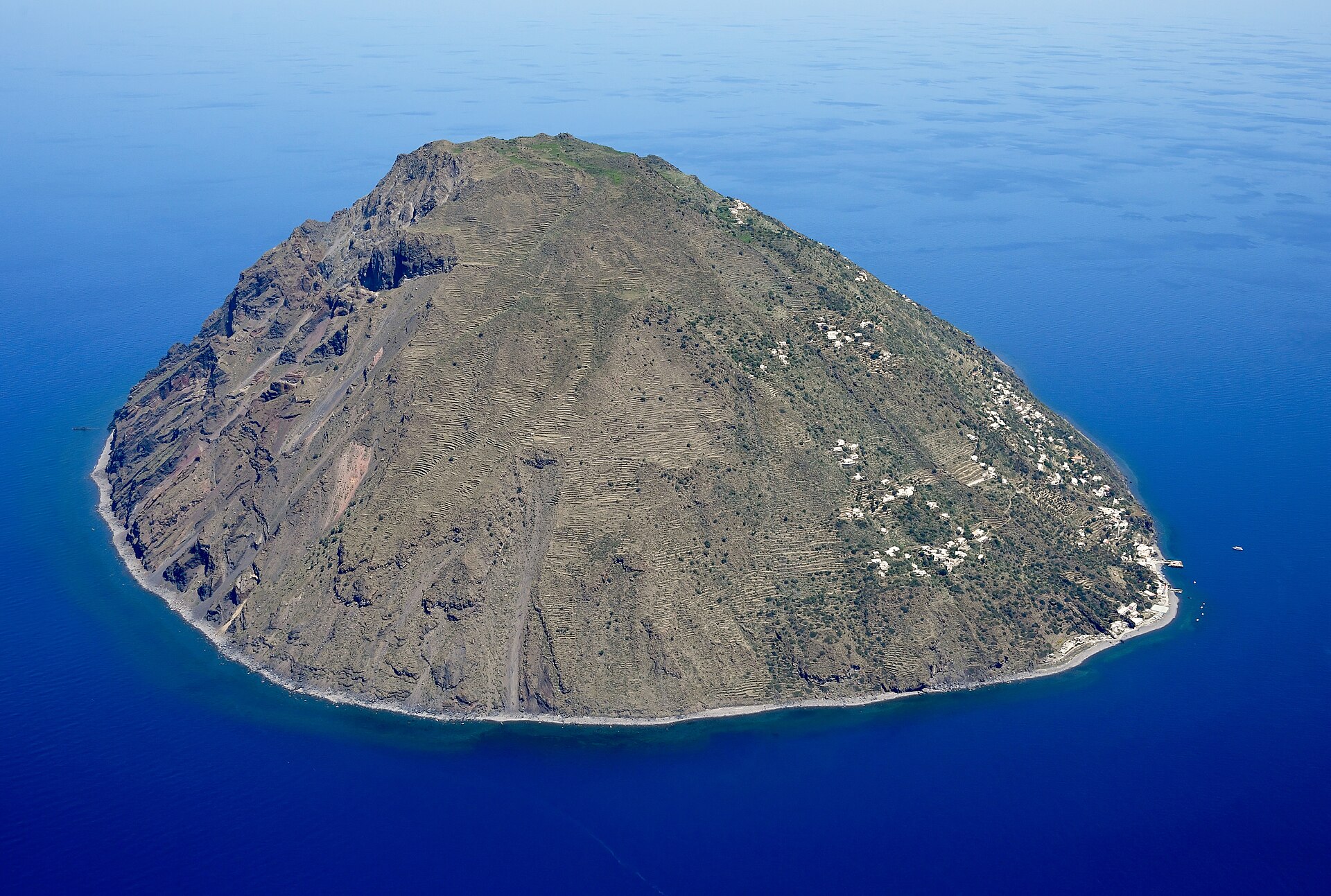
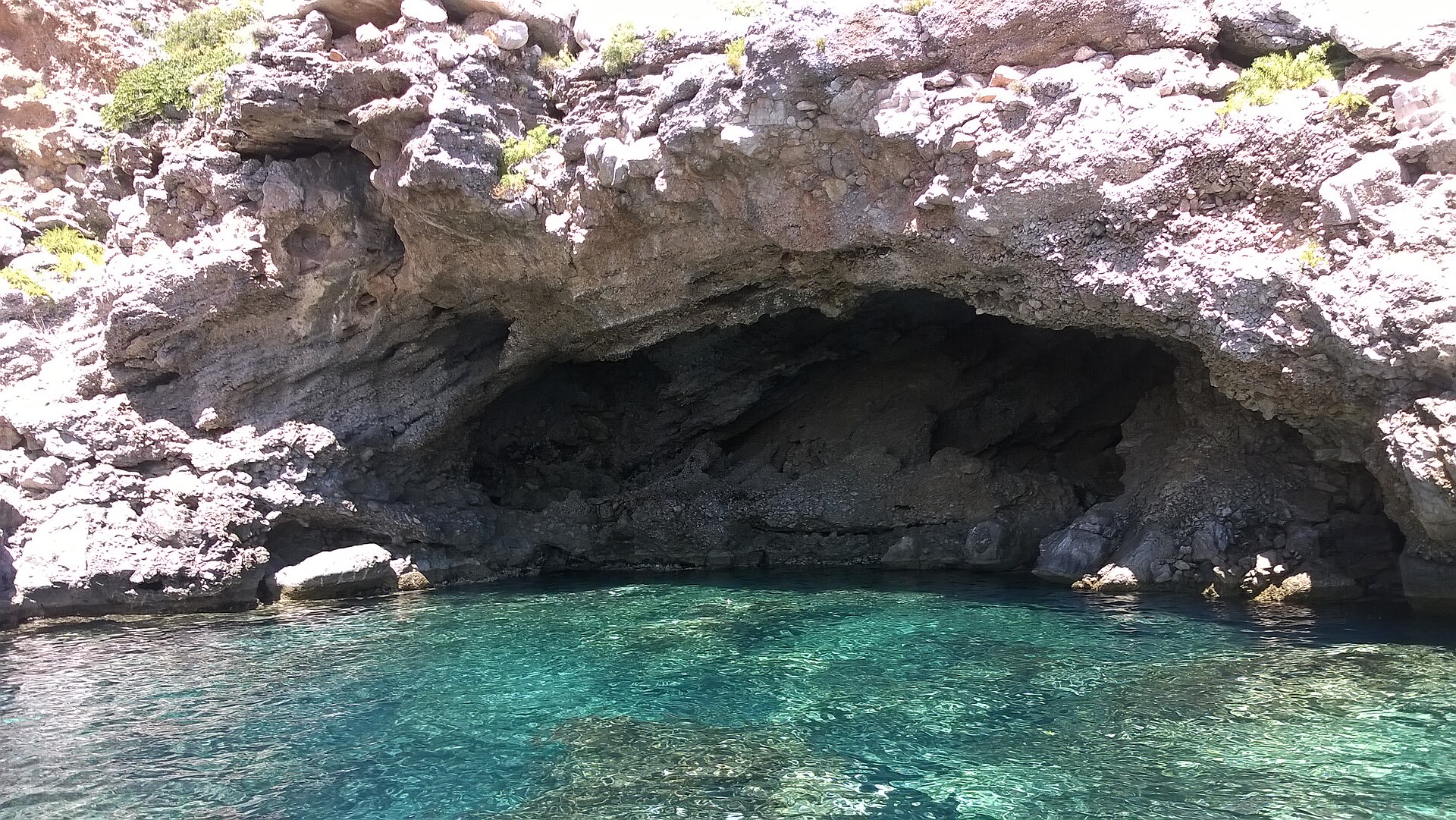
See: Capo Graziano, twenty-seven huts from 1700 BC; the Grotta del Bue Marino, the largest sea cave in the Aeolians, by tender; the La Canna sea stack, 70 metres tall. Alicudi: no roads, ten thousand steps, mules. Eat: at Pecorini a Mare, the catch of the day.
Le sette isoleVulcano, i fanghiLipari, la pomiceMuseo EolianoSalina, l'arco del PerciatoSalina, LinguaSalina, Fossa delle FelciBasiluzzoStromboli, l'esplosione al cratereStrombolicchioGinostraAlicudi
The LUX week in the Aeolian Islands
SaturdayBoarding at Villa Igiea at 5 pm, welcome aperitivo prepared by the hostess, dinner on board, night in the marina.
SundayBreakfast on the flybridge, course for Vulcano; a swim in the warm waters, lunch on board, night at anchor.
MondayLipari: museum and castle, dinner in town.
TuesdaySalina: a Malvasia winery, pane cunzato at Lingua, sunset aperitivo at anchor off Pollara.
WednesdayPanarea: Cala Junco, snorkelling over the fumaroles, evening on board.
ThursdayStromboli: dinner at anchor facing the Sciara del Fuoco.
FridayFilicudi: Grotta del Bue Marino and the passage back towards Palermo.
SaturdayDisembarkation at Villa Igiea by 9 am.
Seven days
Catamaran Egadi Islands: Favignana, Levanzo and Marettimo
The story
On 10 March 241 BC, off Levanzo, two hundred Roman ships ended the First Punic War: the bronze rams recovered from the seabed are now in the Stabilimento Florio on Favignana. The tonnara (tuna fishery) was born in 1859 and Ignazio Florio made it the most modern in the Mediterranean (1891): the mattanza, led by the rais, lasted until 2007. The Egadi are Europe's largest marine protected area; on the coast, Marsala is the wine that the Englishmen Woodhouse and Ingham, and then the Florios, carried around the world.
Favignana
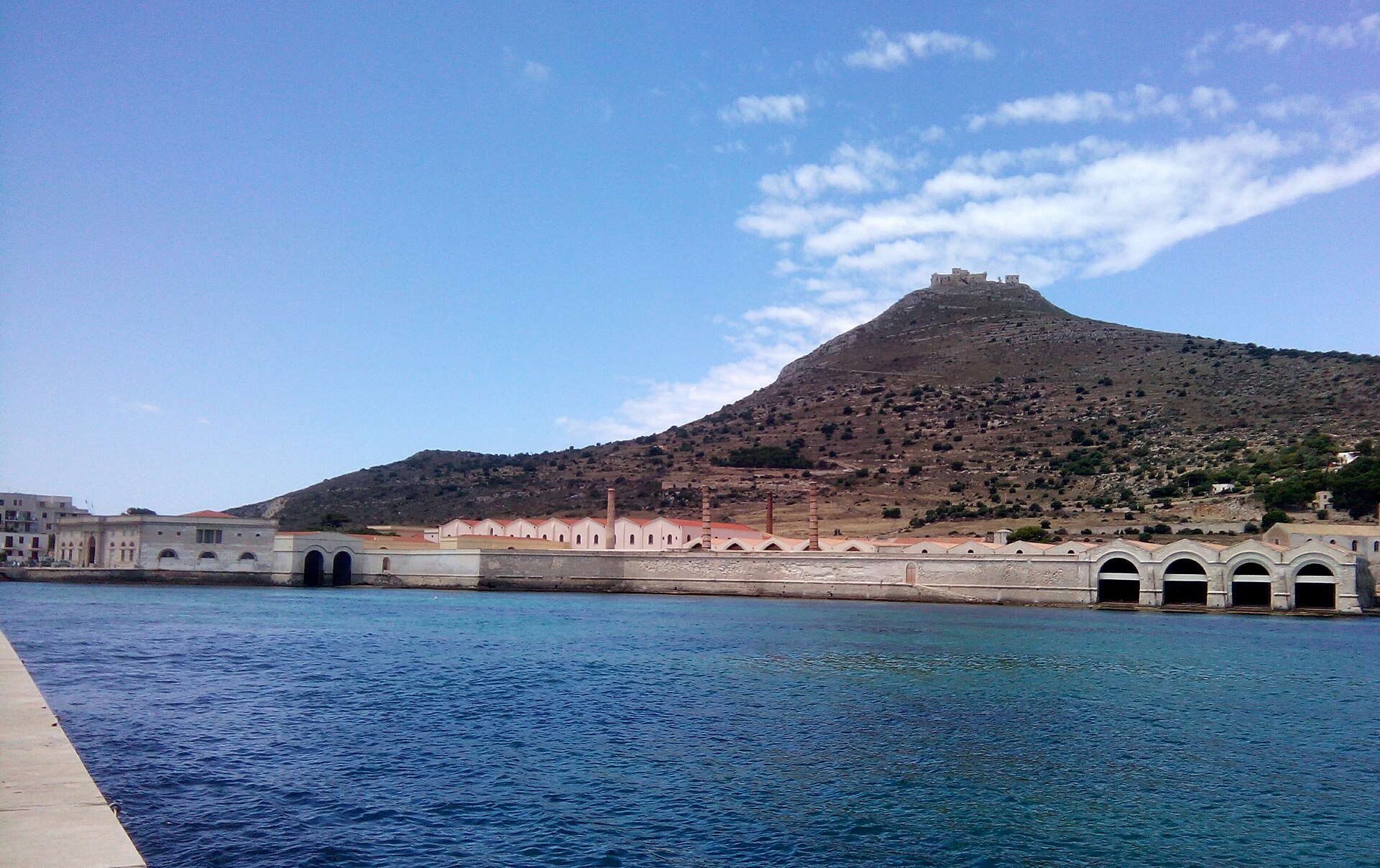
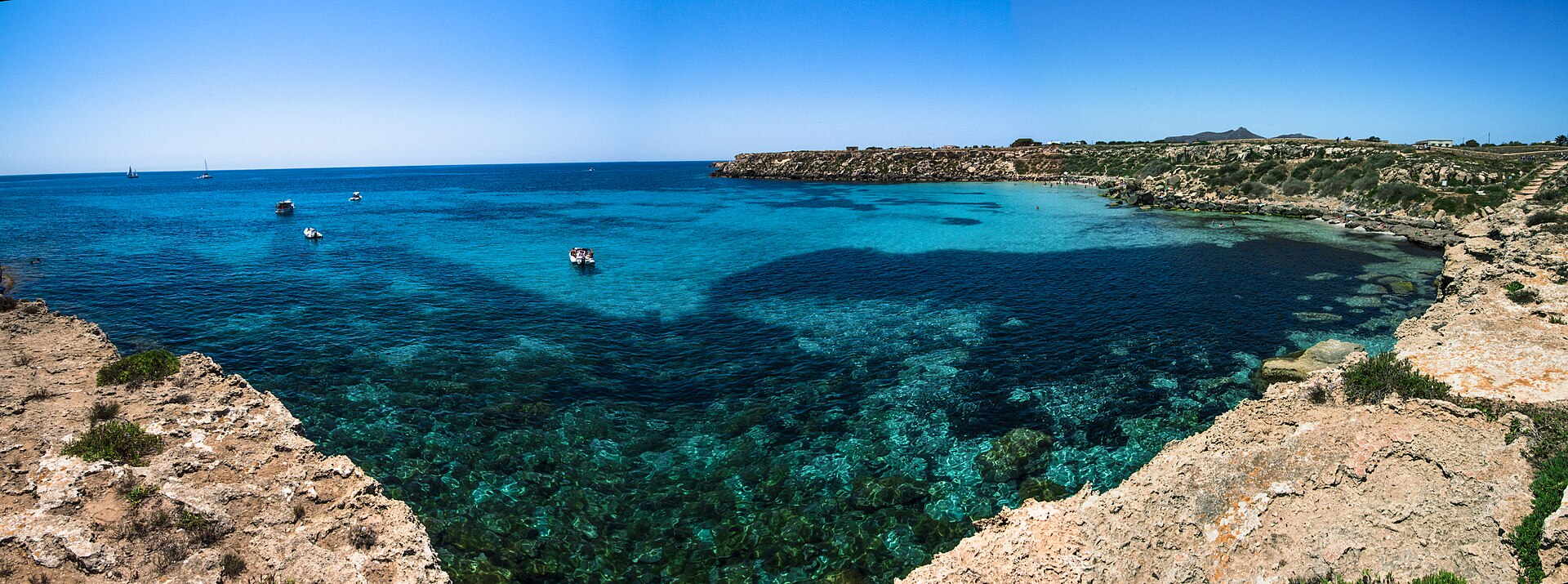
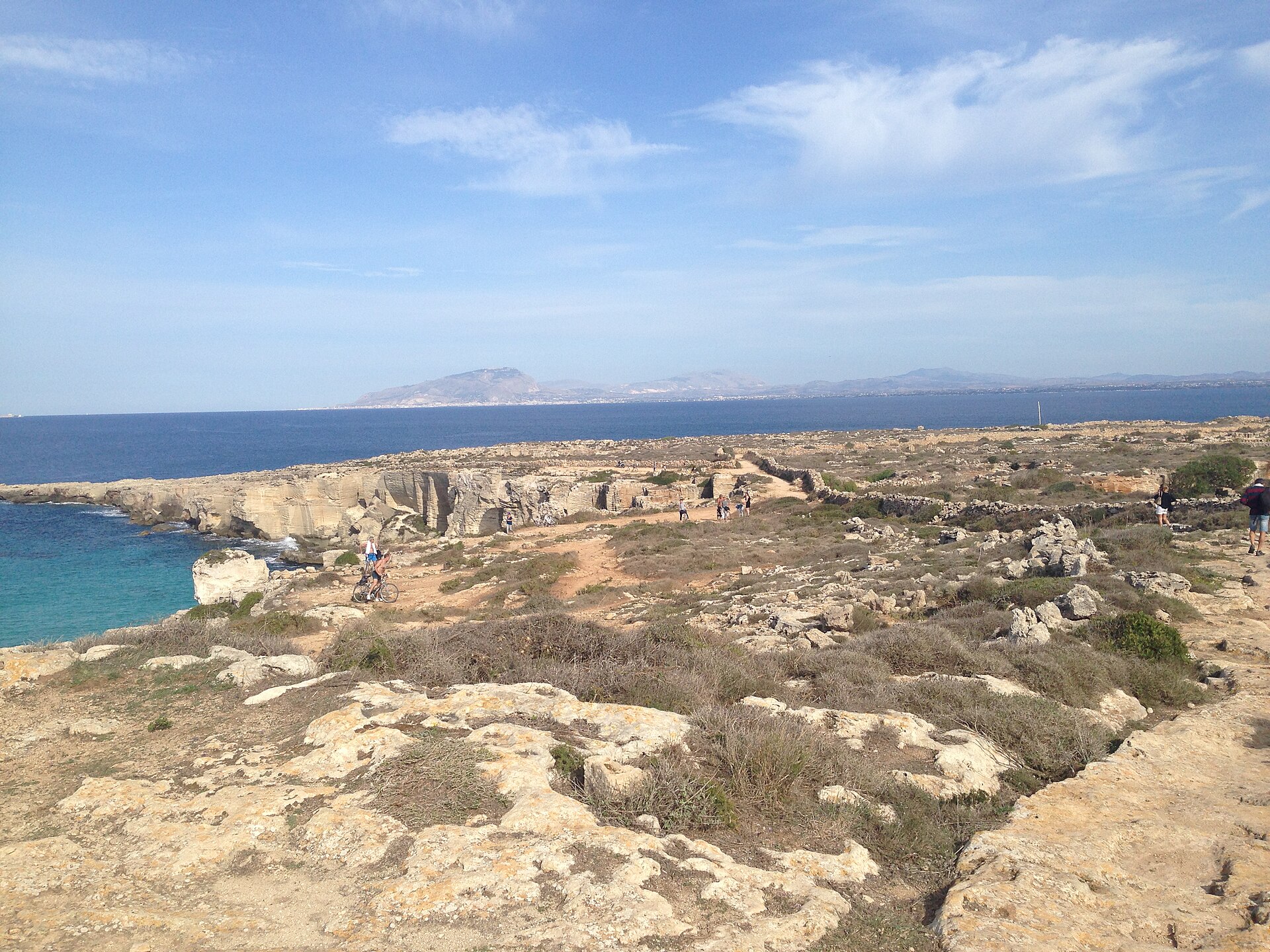
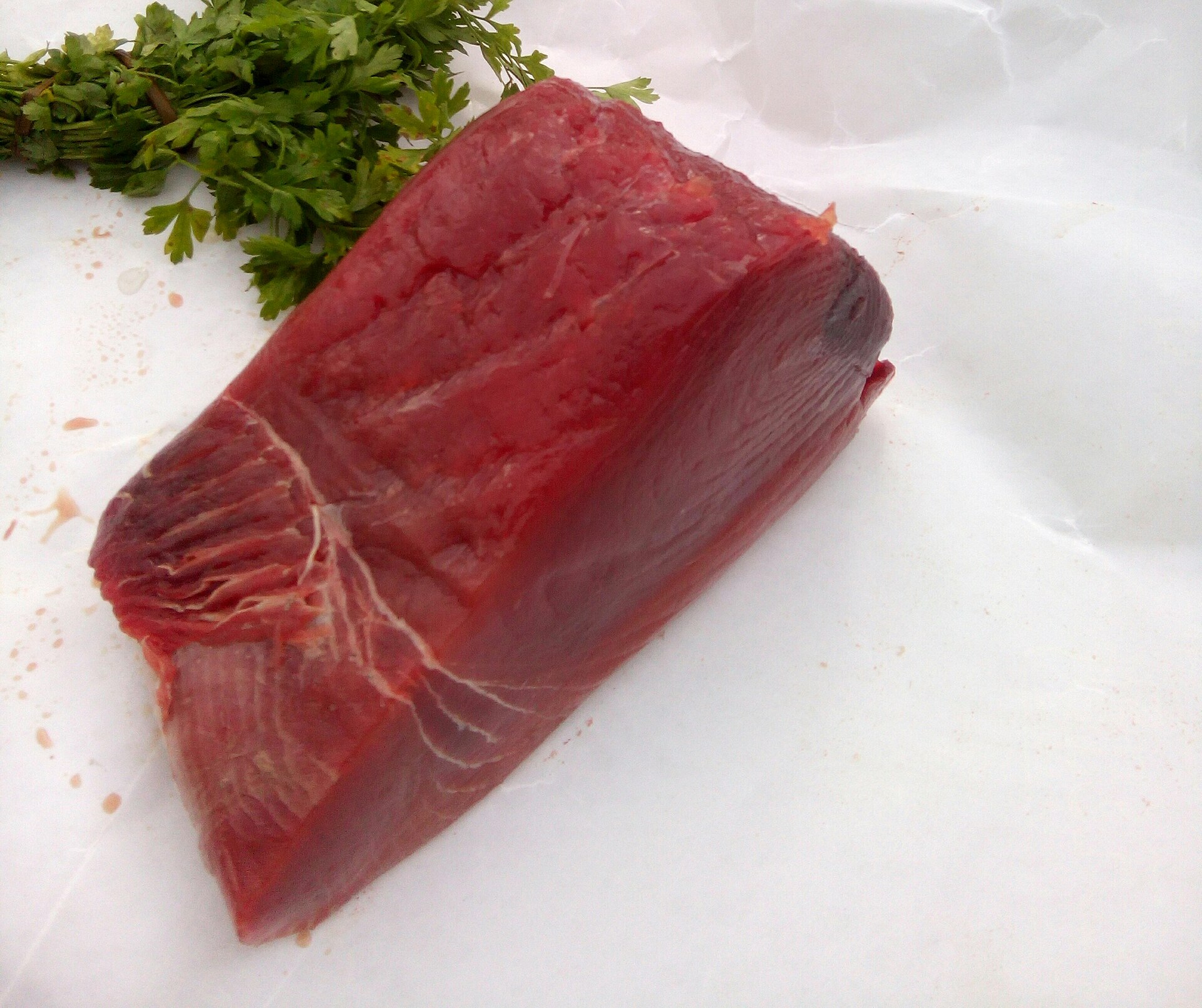
See: the Ex Stabilimento Florio, a museum since 2009; the tufa quarries turned into sunken gardens of fig and citrus trees; Cala Rossa and Cala Azzurra from the anchor. Eat: tuna in all its cuts — bottarga, ventresca, lattume, ficazza — and busiate with pesto trapanese.
Levanzo
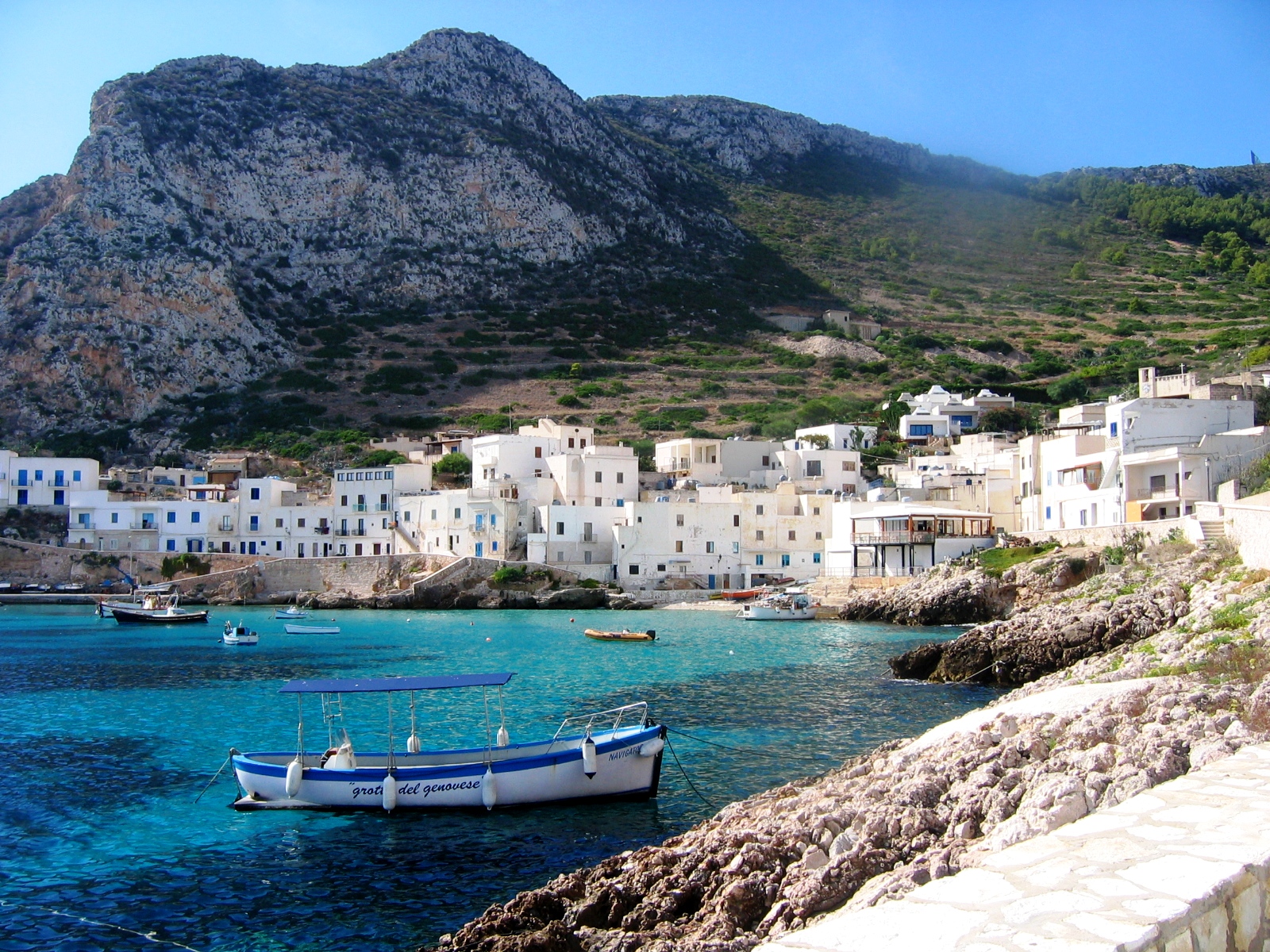
See: the Grotta del Genovese: Upper Palaeolithic engravings of deer and human figures, and Neolithic paintings (guided visit, book 48 hours ahead). In the water: Cala Minnola and the 1st-century BC Roman wreck, amphorae at 27 metres.
Marettimo
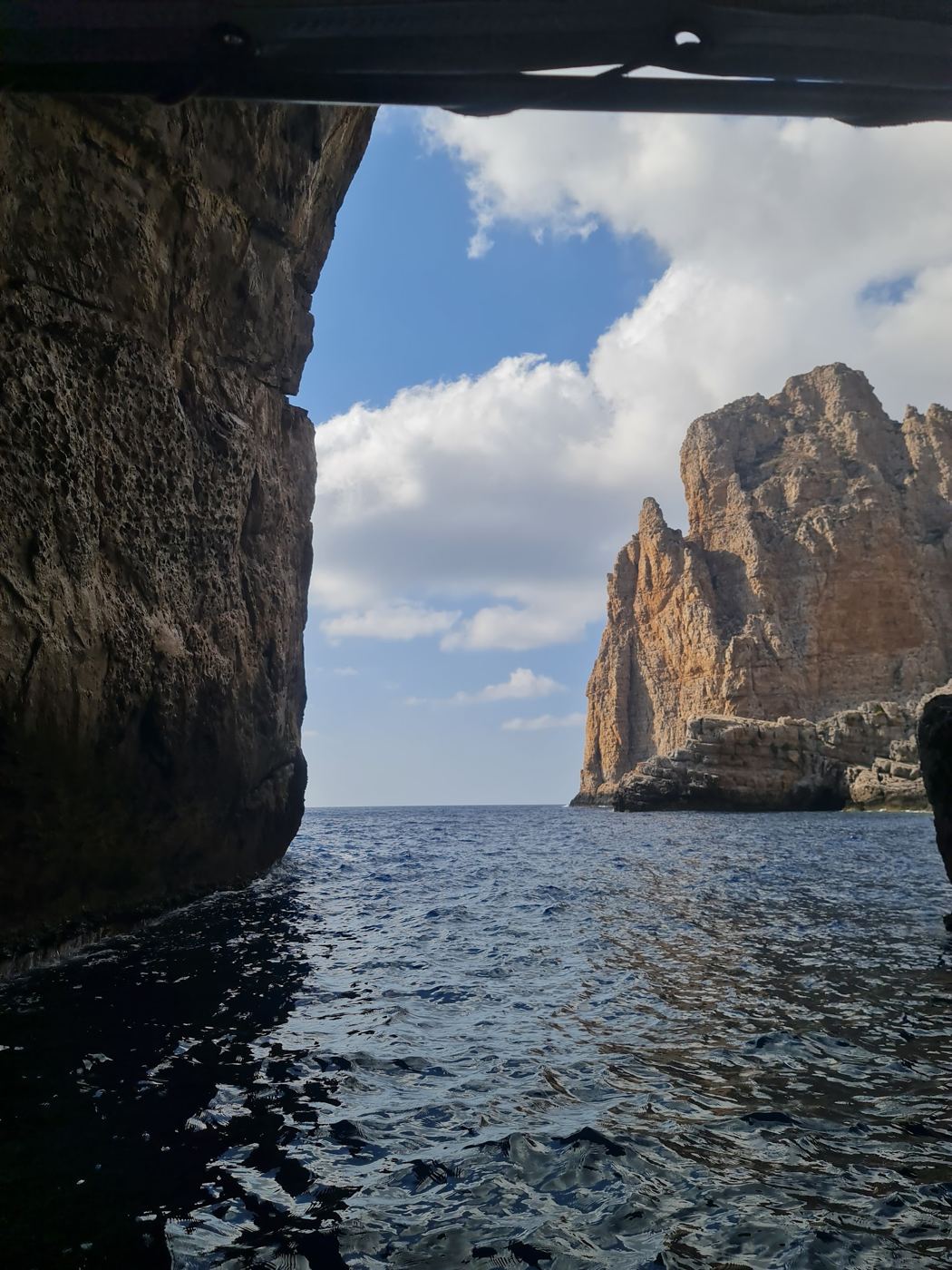
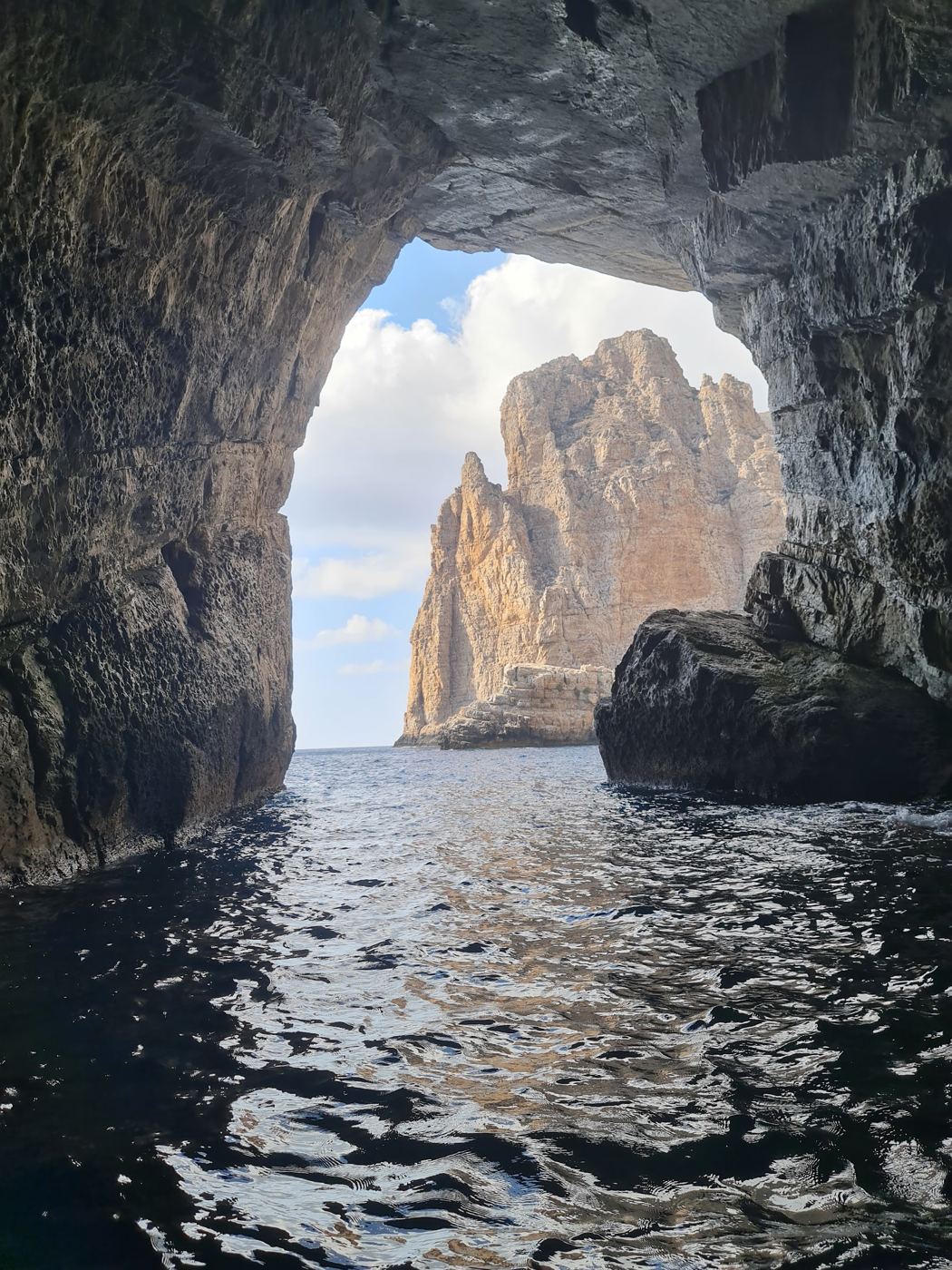
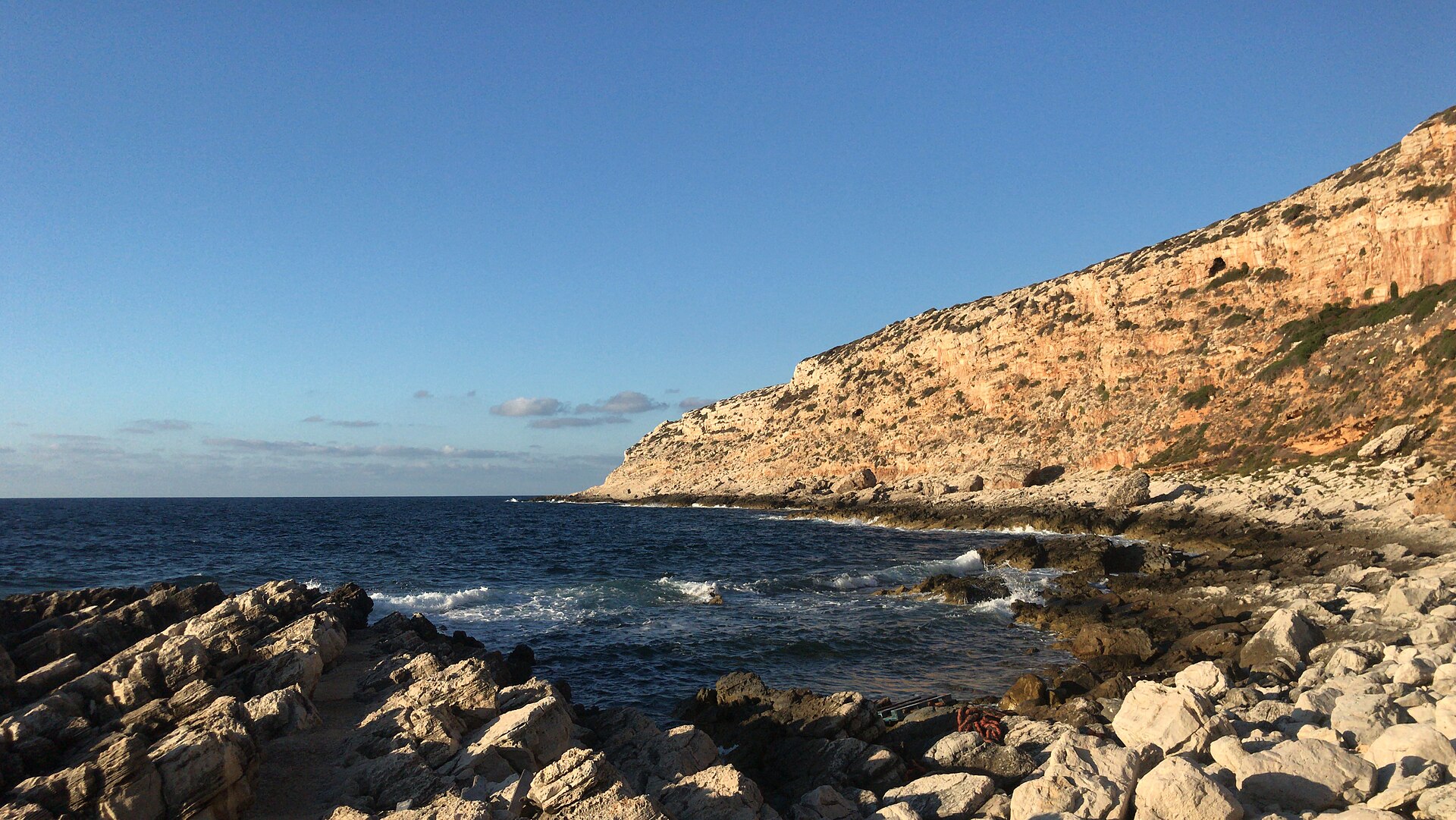
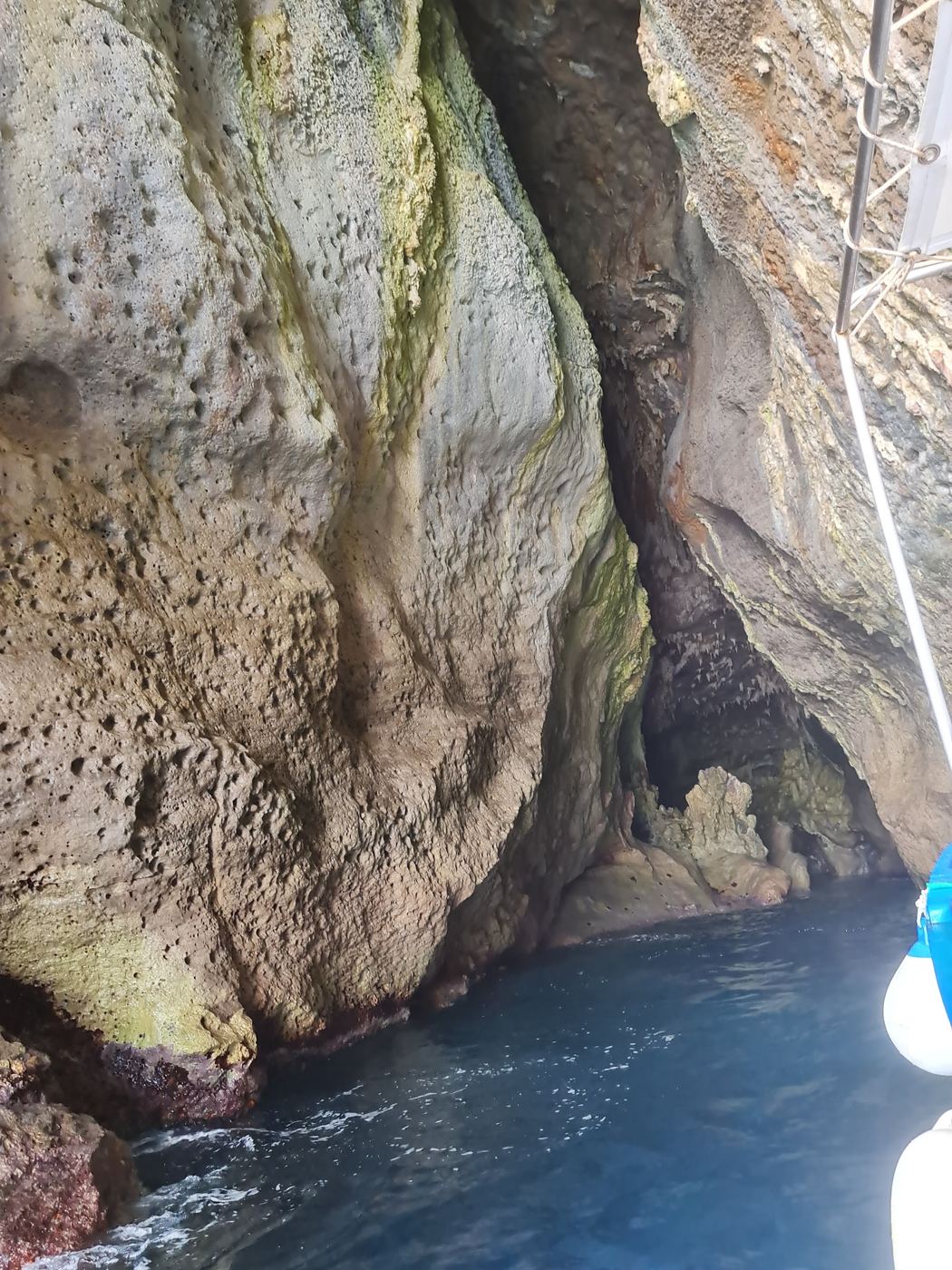
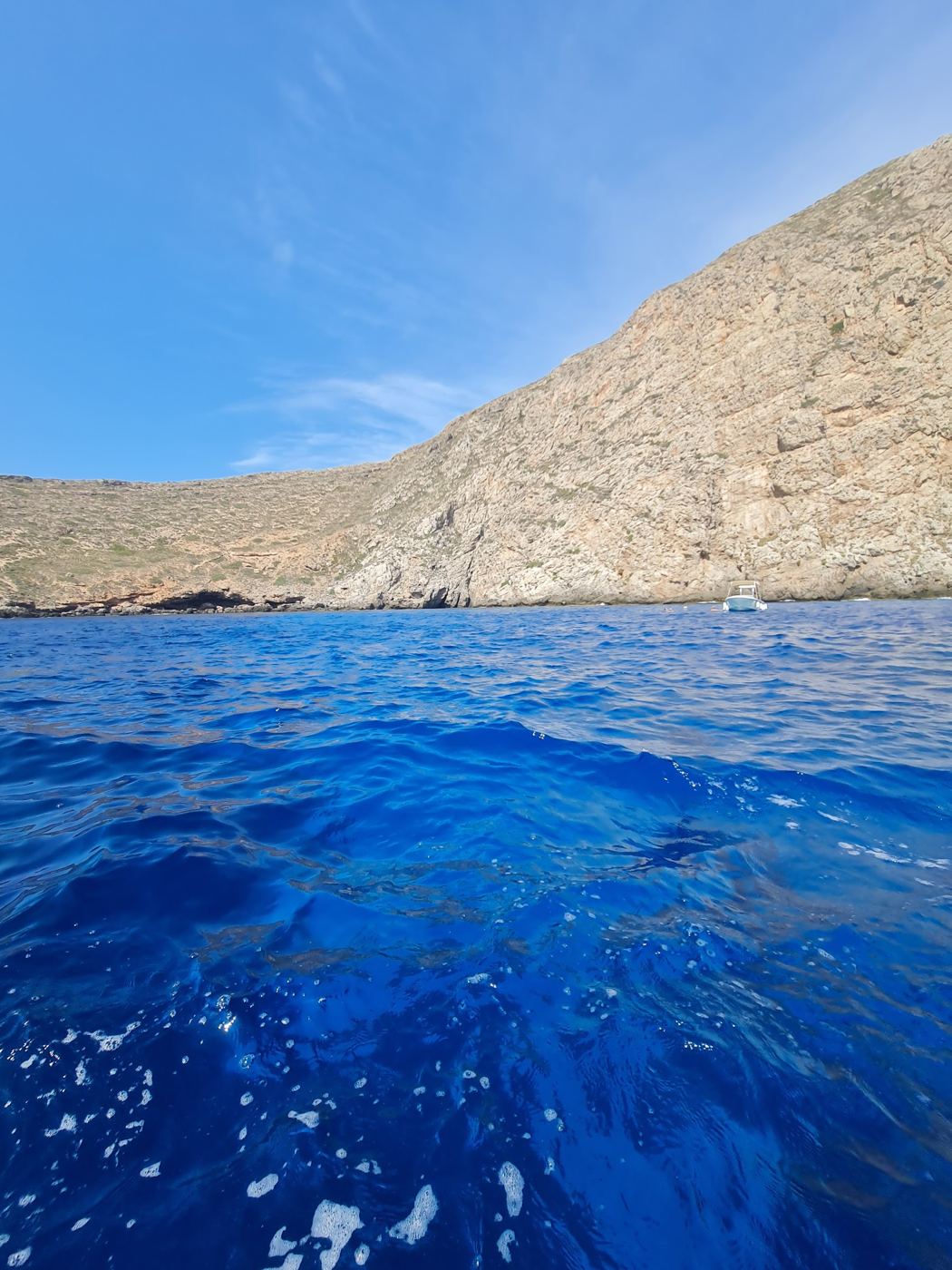
See: the sea caves by tender (Cammello, Tuono, Presepe), the Case Romane, the castle of Punta Troia on its Saracen tower, the white car-free village. Eat: lobster and fish soup with the fishermen.
The coast
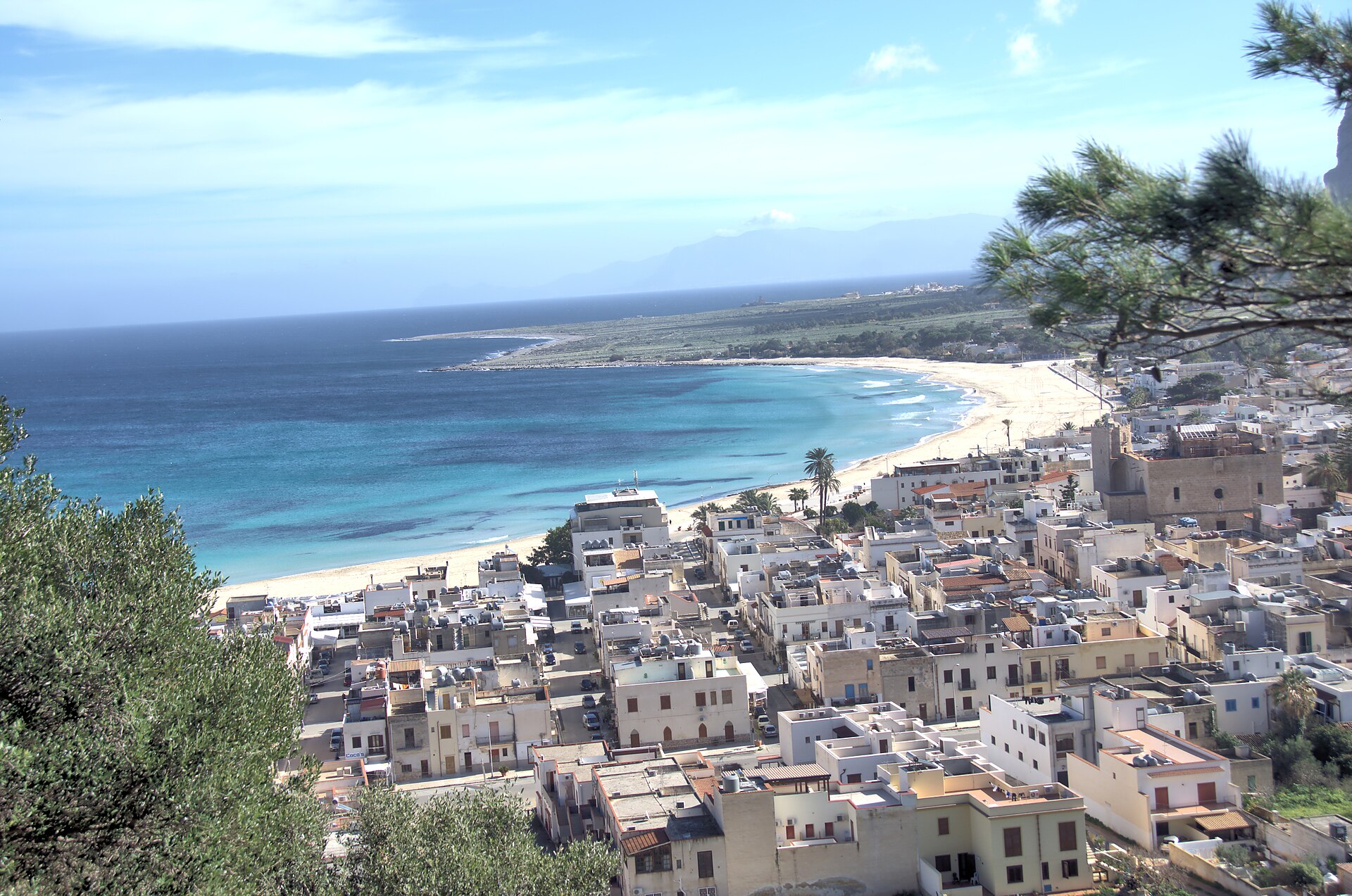
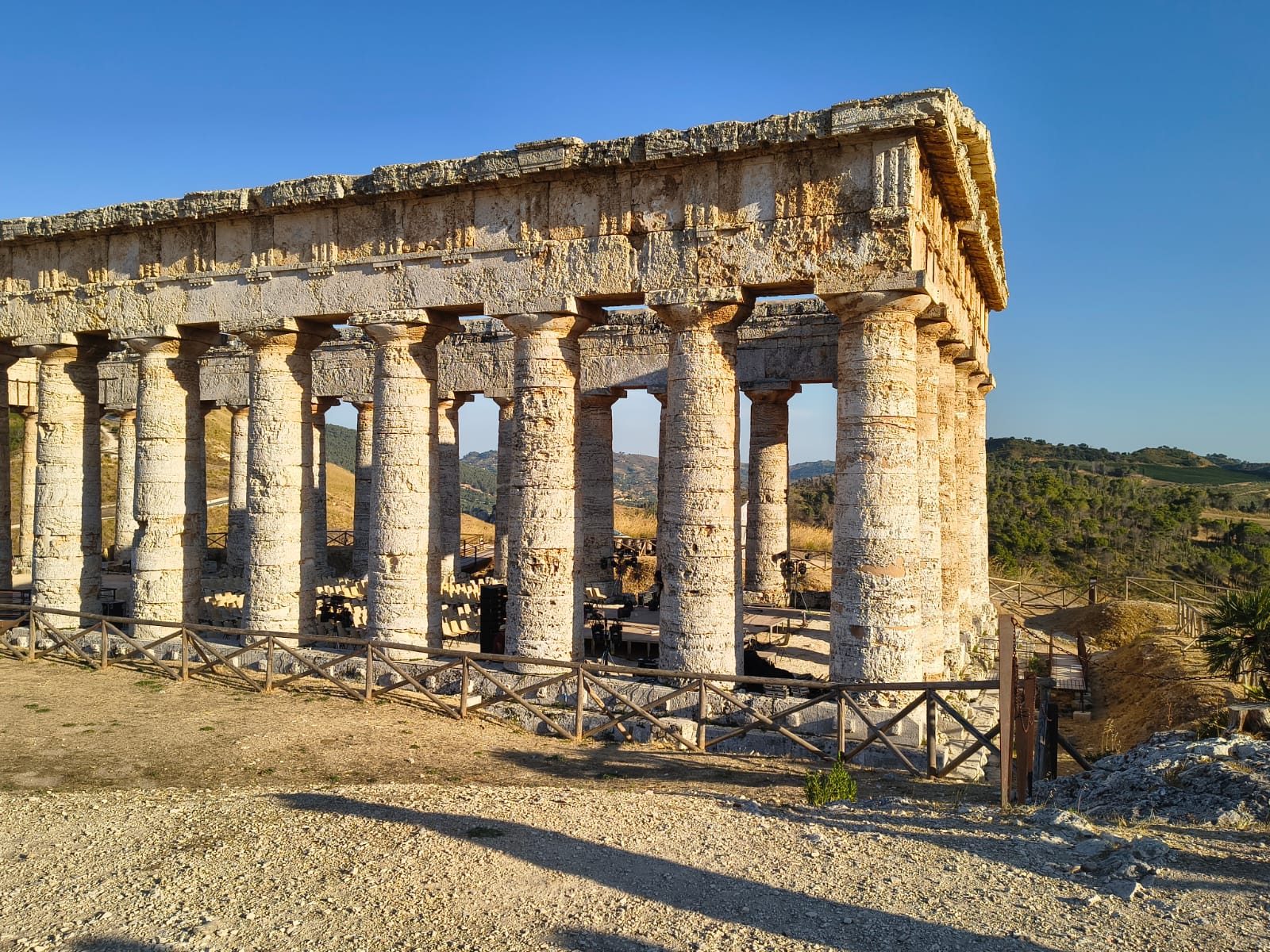
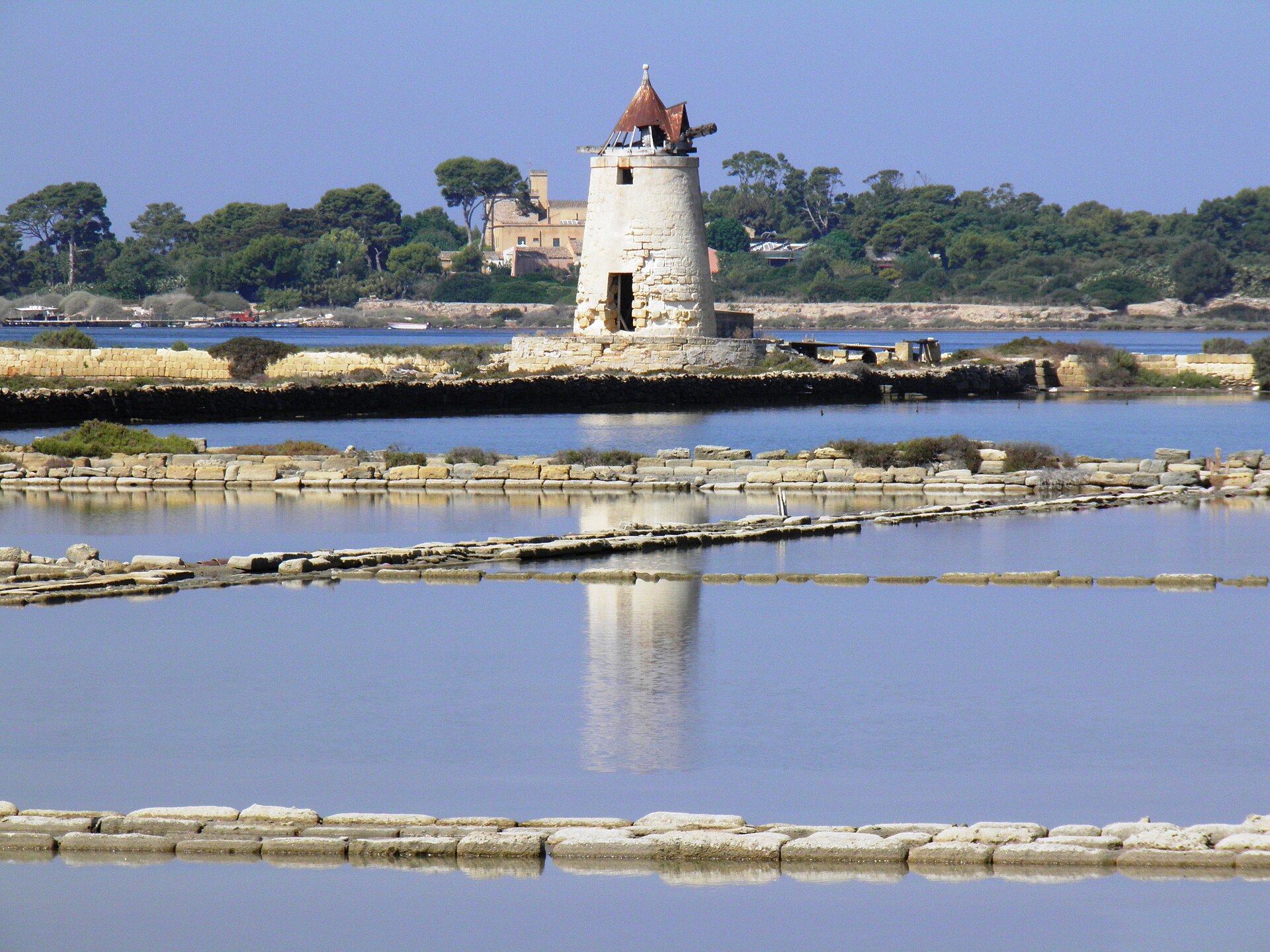
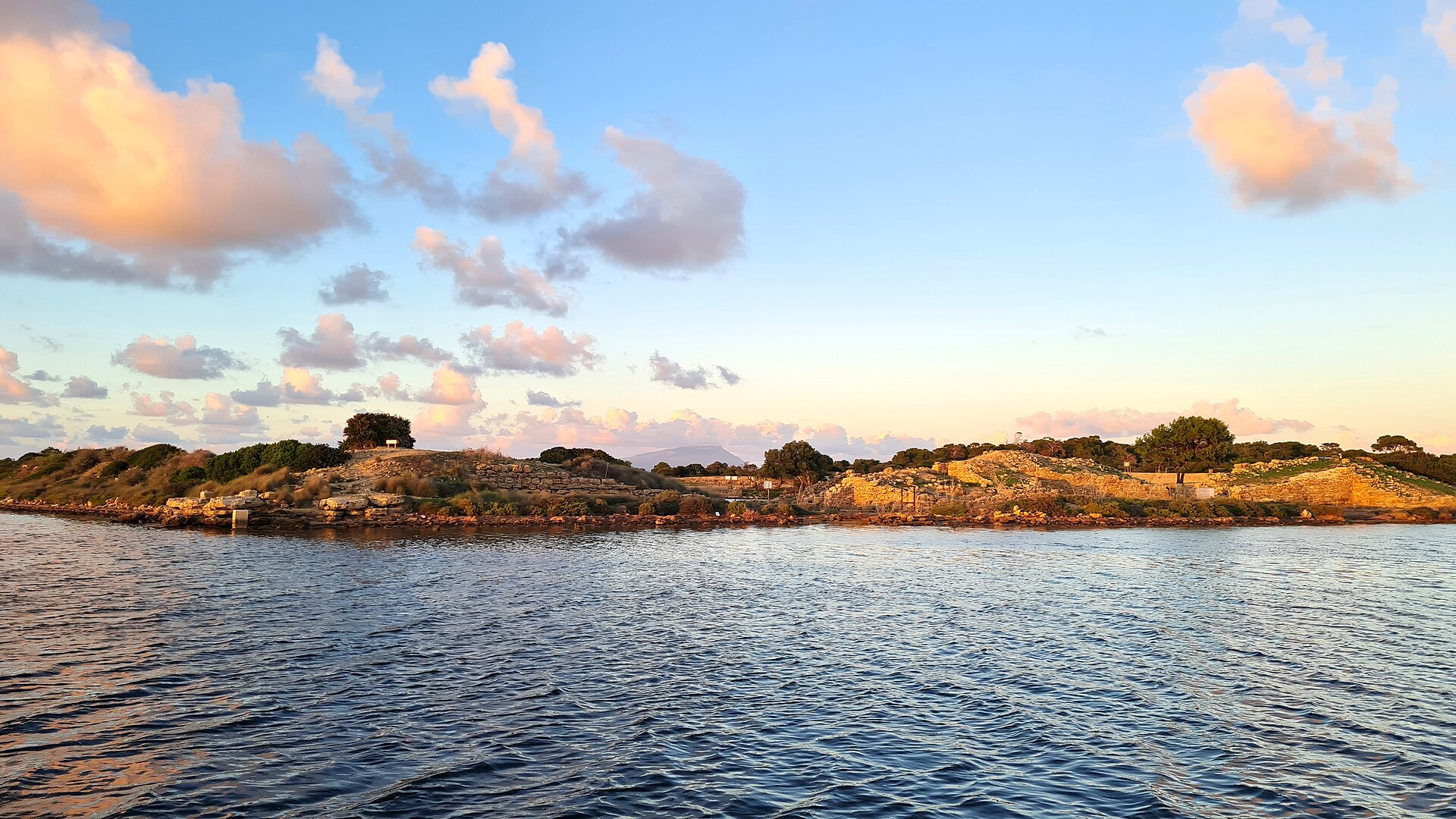
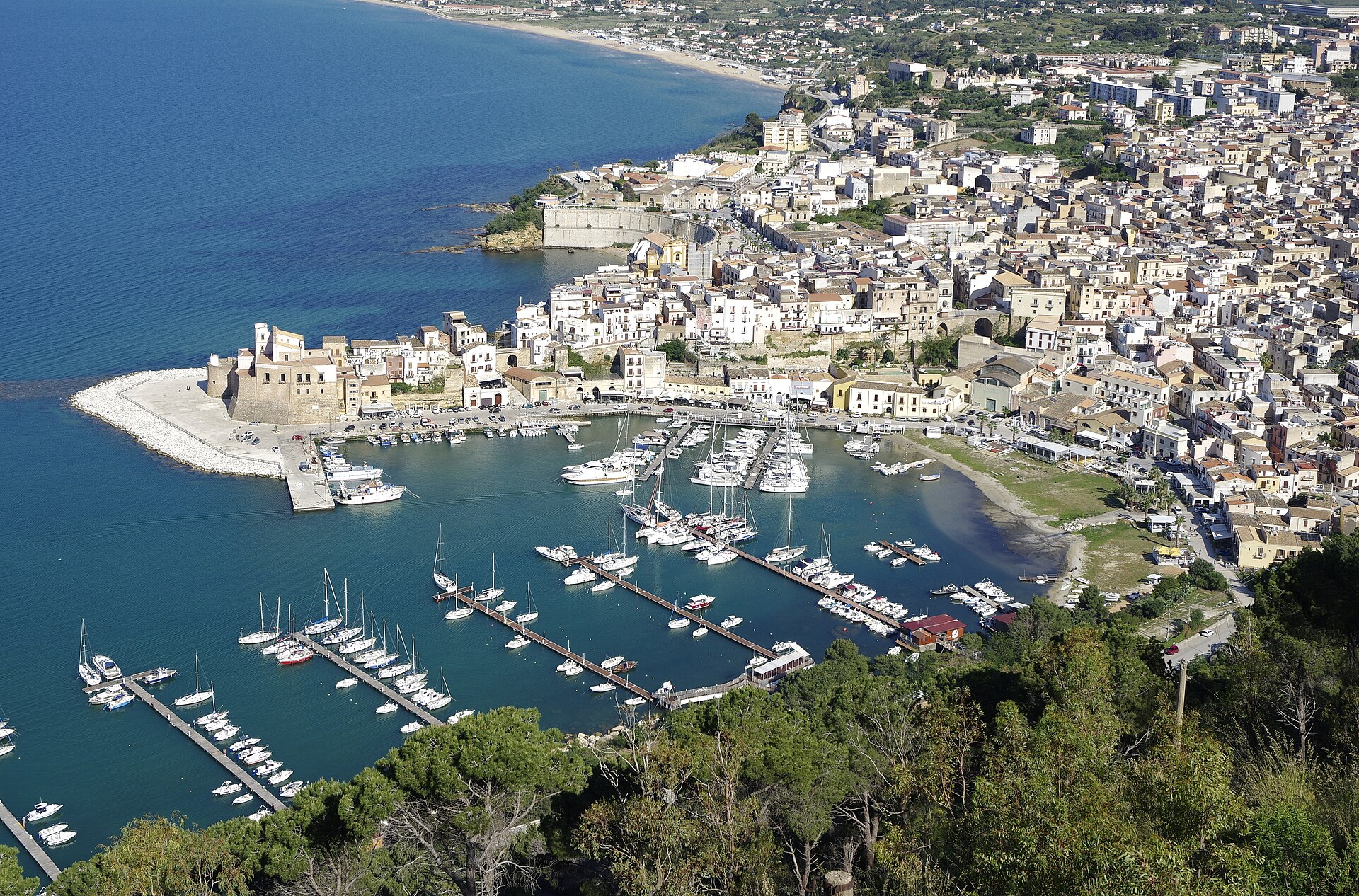
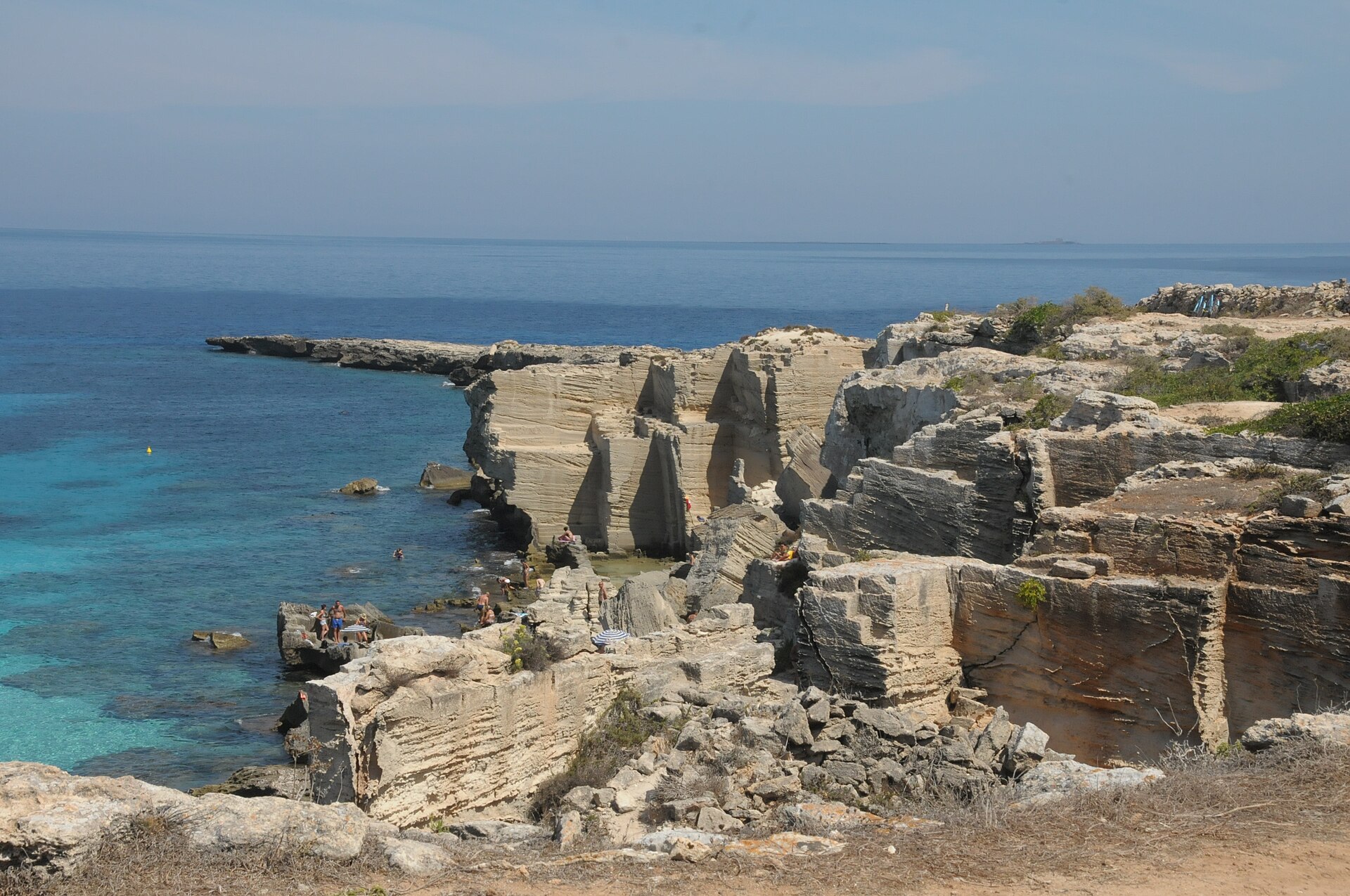
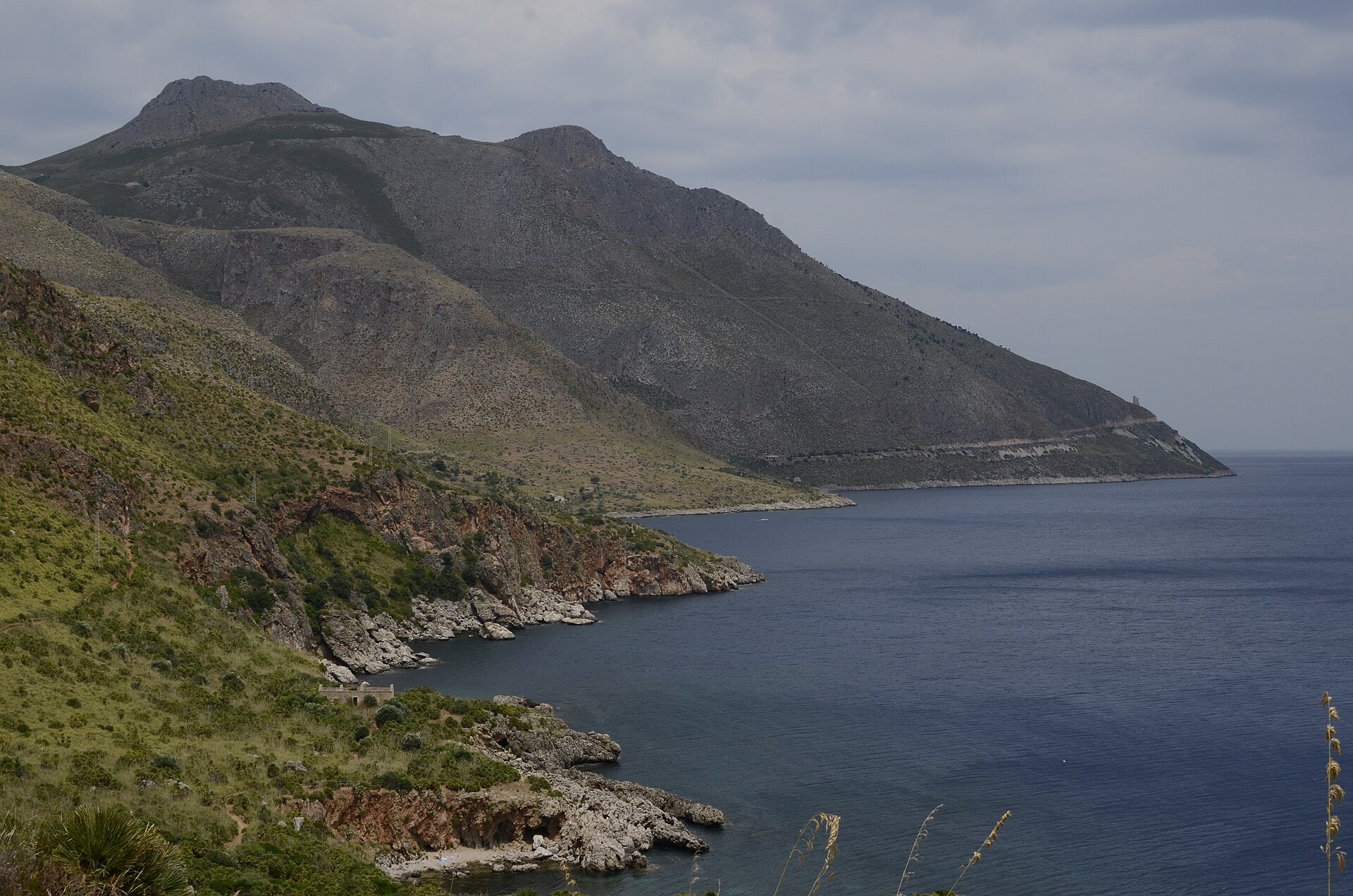
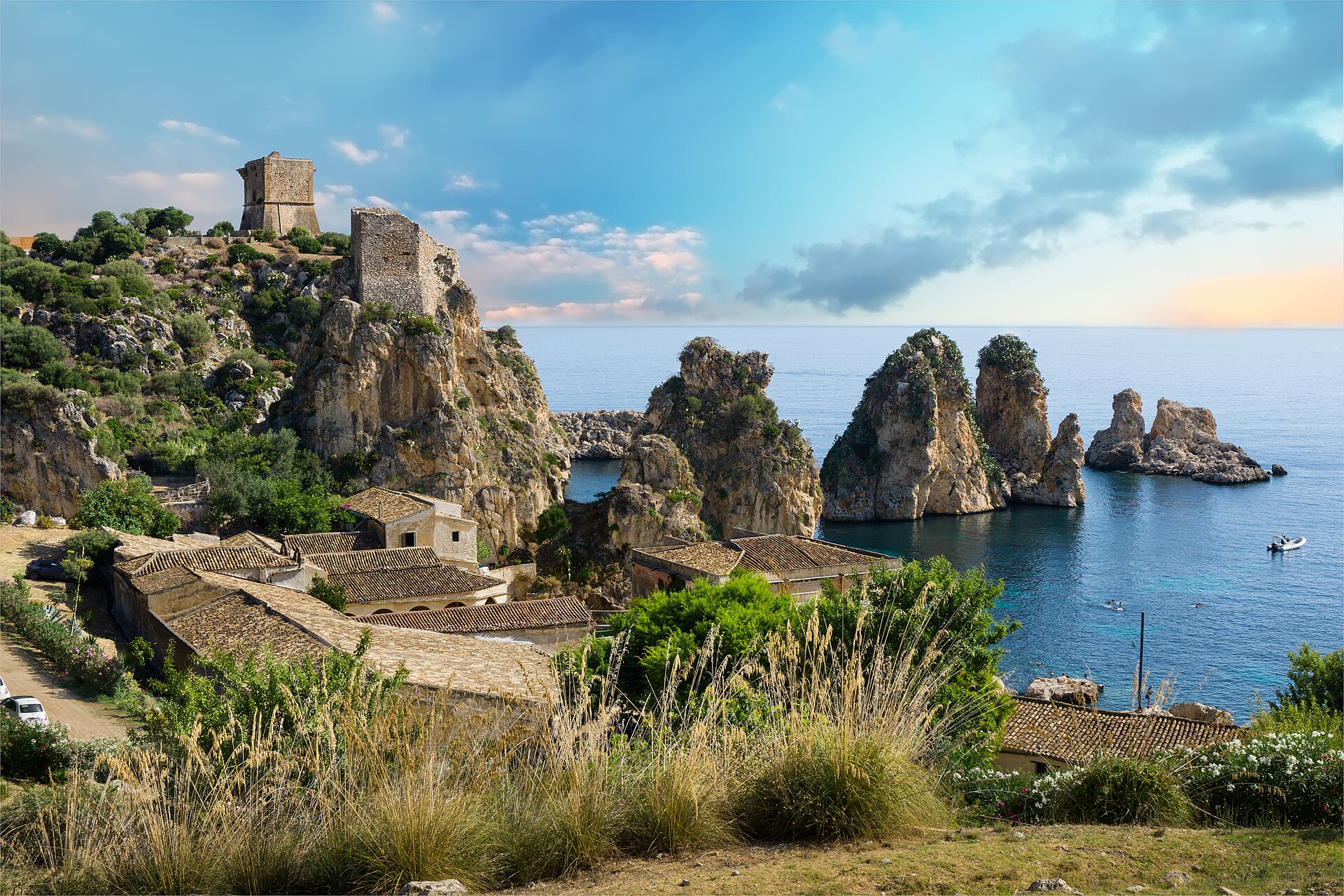
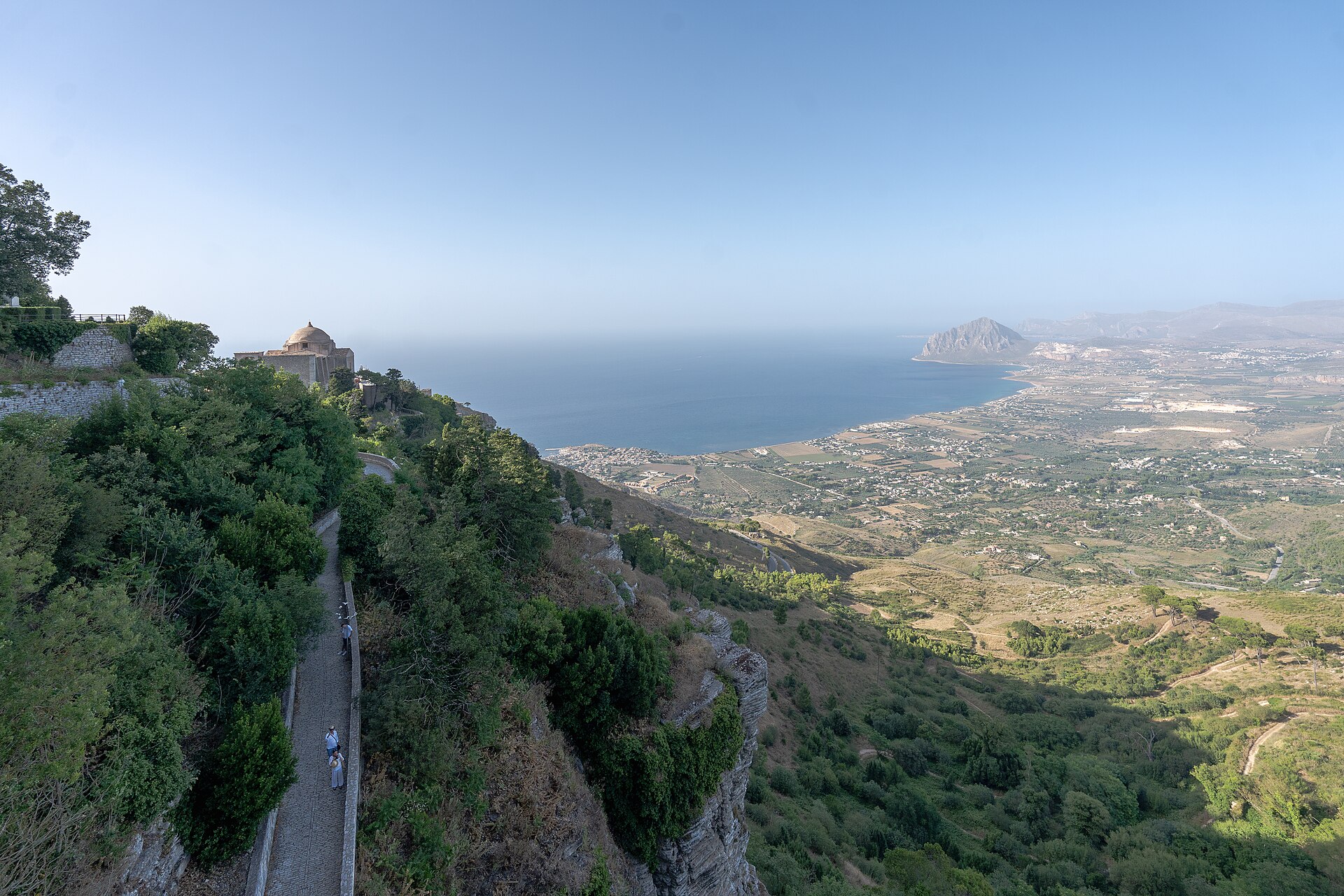
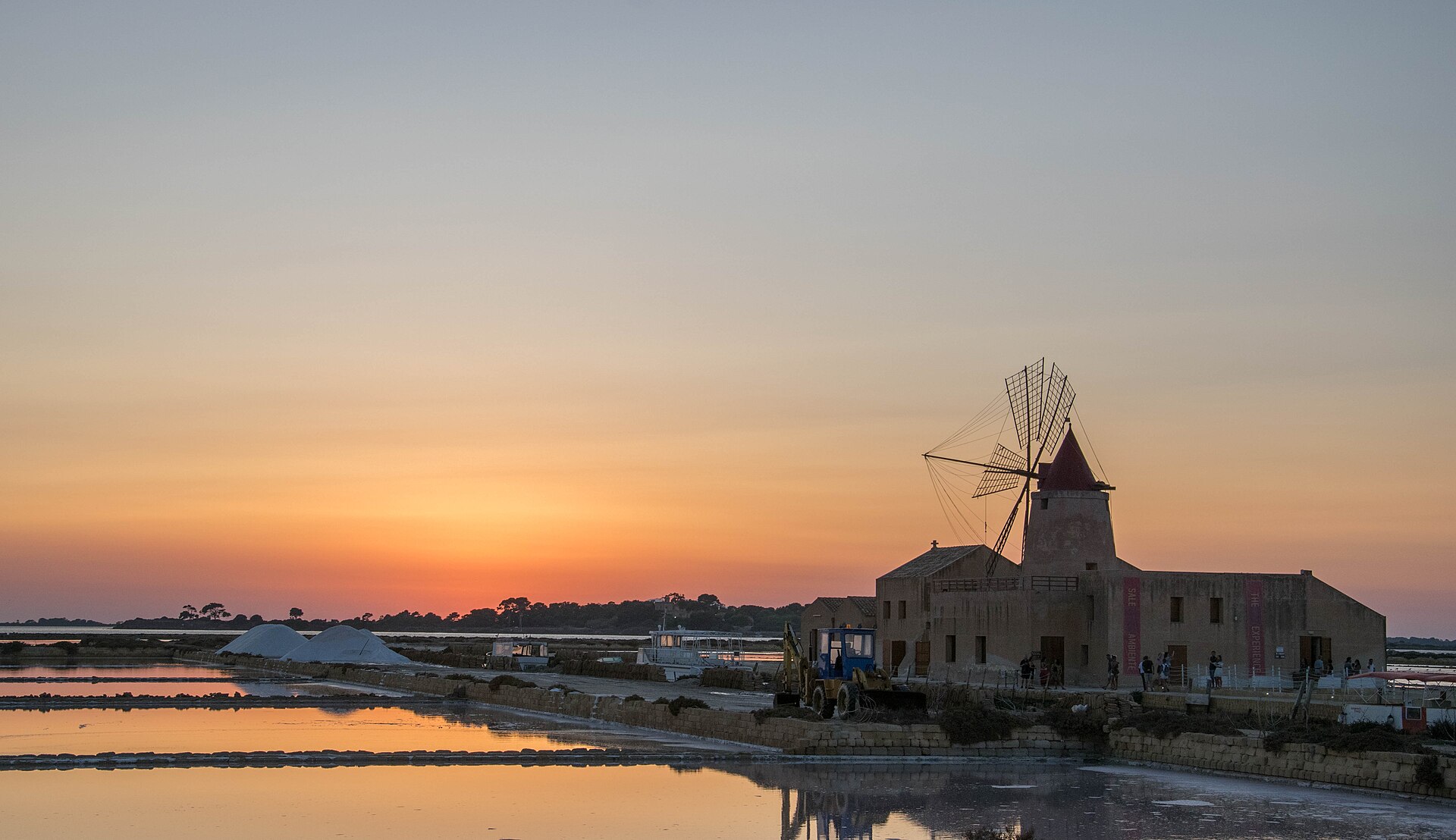
San Vito Lo Capo and its fish cous cous (Cous Cous Fest in September); the Riserva dello Zingaro, 7 km of coves; Scopello and its tonnara; Erice by cable car and Maria Grammatico's genovesi pastries; Marsala: the Florio, Donnafugata and Pellegrino cellars, the salt pans with their windmills, the Phoenician island of Mozia with its marble Youth; Segesta and the temple never finished.
Favignana, Cala AzzurraLevanzoSegestaLe saline di TrapaniMoziaCastellammare del GolfoMarettimo, dal tender — foto LUXMarettimo, la grotta — foto LUXMarettimo — foto LUXMarettimo — foto LUXMarettimo, la costa — foto LUXFavignana, Cala RossaFavignana, cave di tufoMarettimo, le grotteRiserva dello ZingaroScopelloEriceMarsala, le saline
The LUX week in the Egadi Islands
Sat–SunBoarding in Palermo; the Castellammare coast, San Vito Lo Capo, cous cous ashore, the Riserva dello Zingaro from the anchor.
Mon–TueFavignana: Stabilimento Florio, sunken gardens by bike, lunch on board at Cala Rossa, a tuna dinner.
WednesdayLevanzo: Grotta del Genovese, snorkelling at Cala Minnola.
ThursdayMarettimo: sea caves by tender, dinner by the hostess under the stars.
Fri–SatReturn along the coast, Mondello, disembarkation at Villa Igiea.
On the route of Ulysses
WHERE NOLAN FILMED THE ODYSSEY
In the spring of 2025 Christopher Nolan chose our sea to bring Ulysses home. The film, The Odyssey, is in cinemas from July 2026 — and its coastlines are the very ones where LUX drops anchor.
Favignana is Ithaca
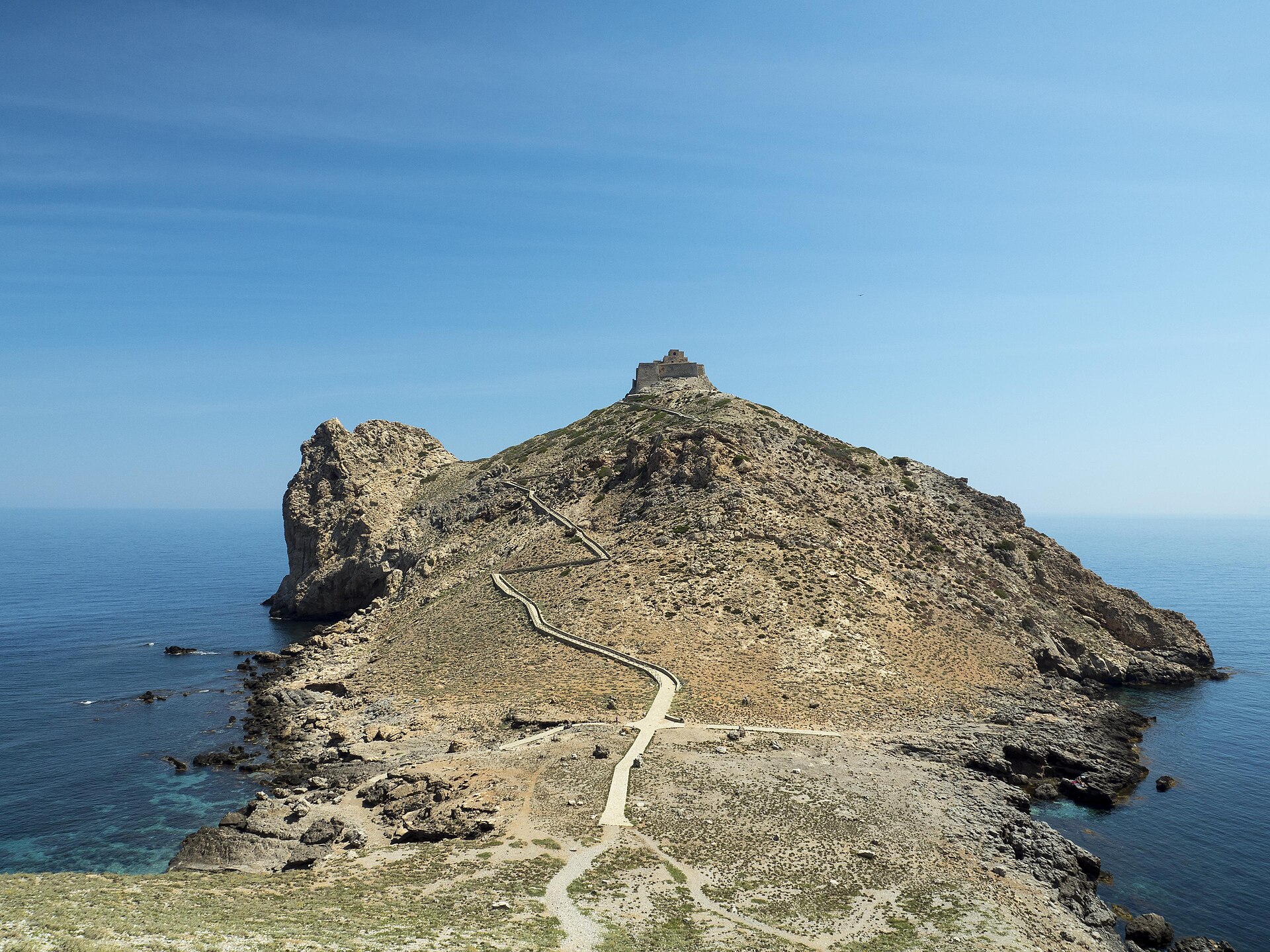
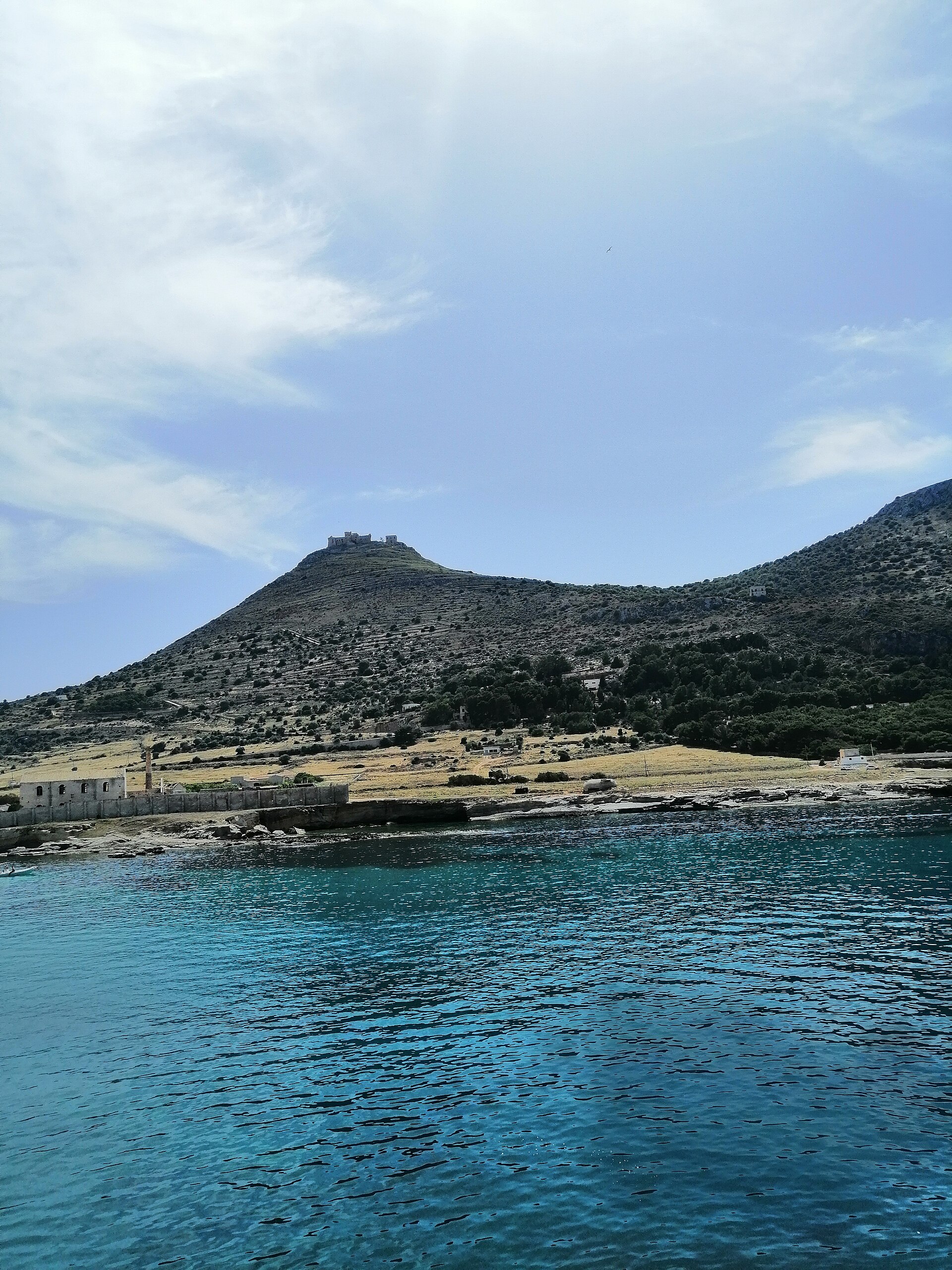
The Castle of Santa Caterina, on the island's summit, became the palace of Ulysses: for two weeks the cast climbed up on foot every day, while the equipment travelled on a funicular built for the occasion. The old Florio tonnara served as headquarters — wardrobe, offices, base camp — and hundreds of Favignana islanders became Ithacans. Cala Rossa, Bue Marino and Cala Azzurra, where we anchor, are the shores Ulysses sees again after twenty years. Nolan spent hours in the water in the Bue Marino cave waiting for the right shot.
The Aeolians are the islands of Aeolus
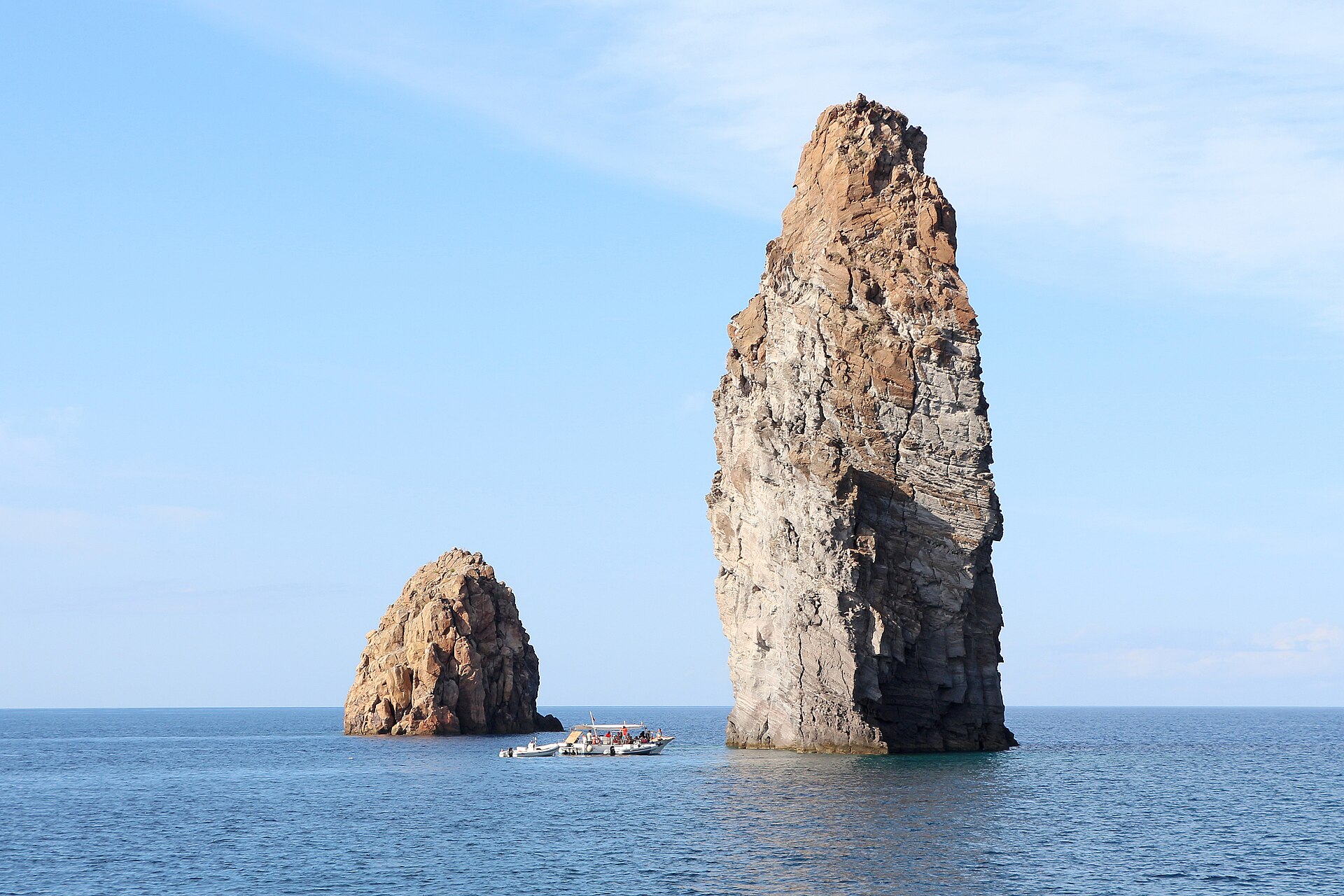
On 19 April 2025 the ferry "Regina dei Mari" landed Nolan, Matt Damon, Tom Holland and thirty actors at Lipari; the little harbour of Pignataro was requisitioned by ordinance, ten period tall ships at their moorings, a crew of seven hundred. Between the Faraglioni of Lipari — Homer's "wandering rocks" — and the Pietra del Bagno they shot the song of the Sirens; at Basiluzzo, with Stromboli smoking in the background, the attack of Scylla; on the craters of Vulcano the kingdom of Aeolus. At sea, a real 35-metre Viking ship instead of digital sets; everything in IMAX 70 mm, no green screens.
No coincidence
As early as 1897 the Englishman Samuel Butler argued that the Odyssey had been born here, between Trapani and the Egadi Islands — Aegades, "the islands of the goats", facing the land of the Cyclopes. The Aeolians bear the name of Aeolus, the king of the winds who gave Ulysses the ox-hide bag. The Strait of Messina is Scylla and Charybdis. With LUX the route is the same, under sail, with the hostess in place of the Sirens. Favignana has already announced a permanent Odyssey itinerary and honorary citizenship for Nolan.
Taste
THE DISHES NOT TO MISS
Arancina — the saffron rice ball, filled with ragù or with butter and ham, fried to a golden crust. In Palermo it is feminine and round; it is the food of the markets and of Saint Lucy's day. Palermo · markets, rosticcerie
Panelle and pane ca meusa — chickpea-flour fritters in a sesame roll; and veal spleen, boiled and tossed in lard, "schietta" with lemon only or "maritata" with caciocavallo and ricotta. A legacy of the Jewish butchers of pre-1492 Palermo. Palermo · Vucciria, Capo
Sfincione — the tall, soft focaccia with tomato, onion, anchovies, caciocavallo and breadcrumbs: Palermo's pizza before pizza existed. Palermo · Bagheria
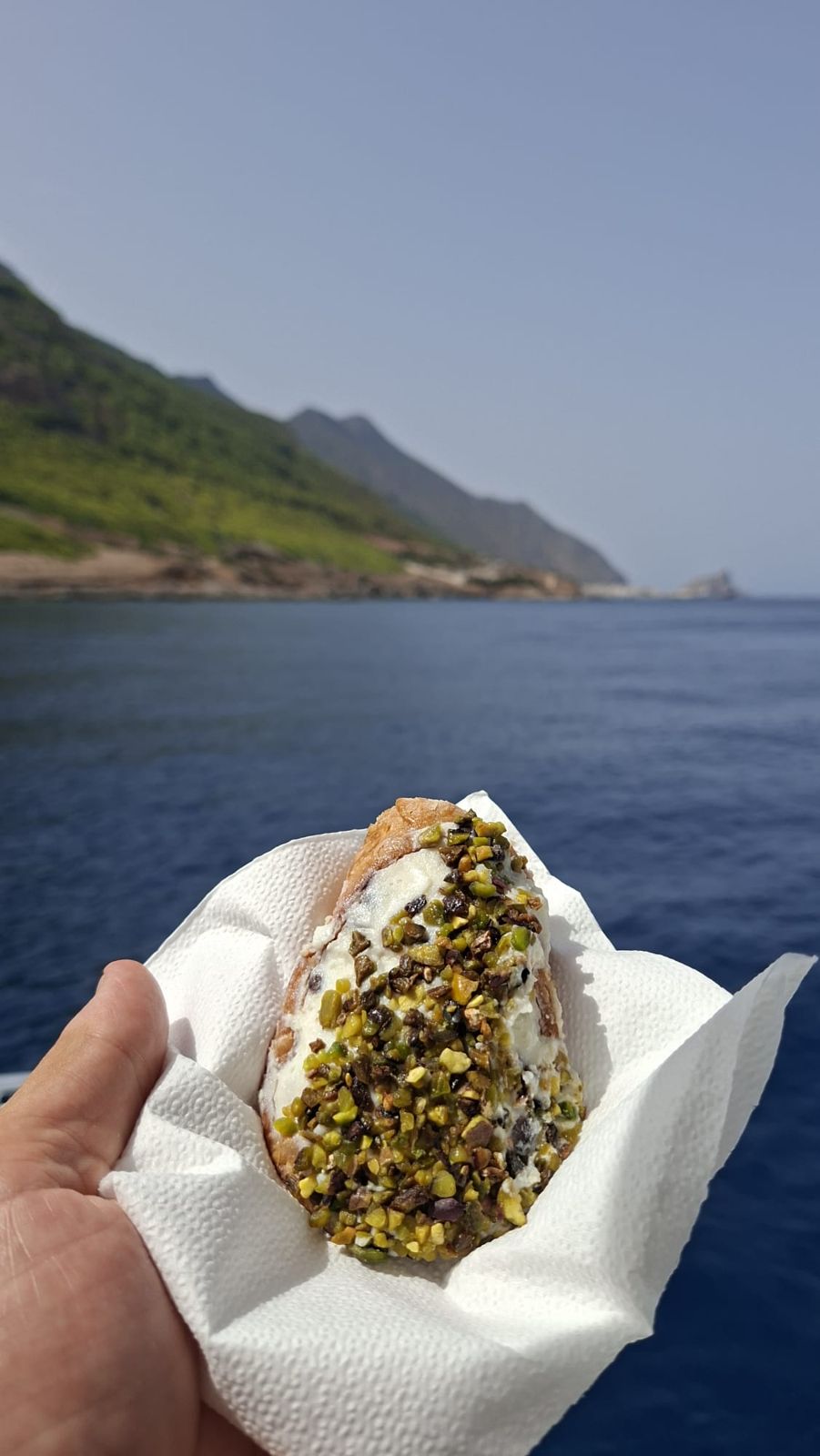
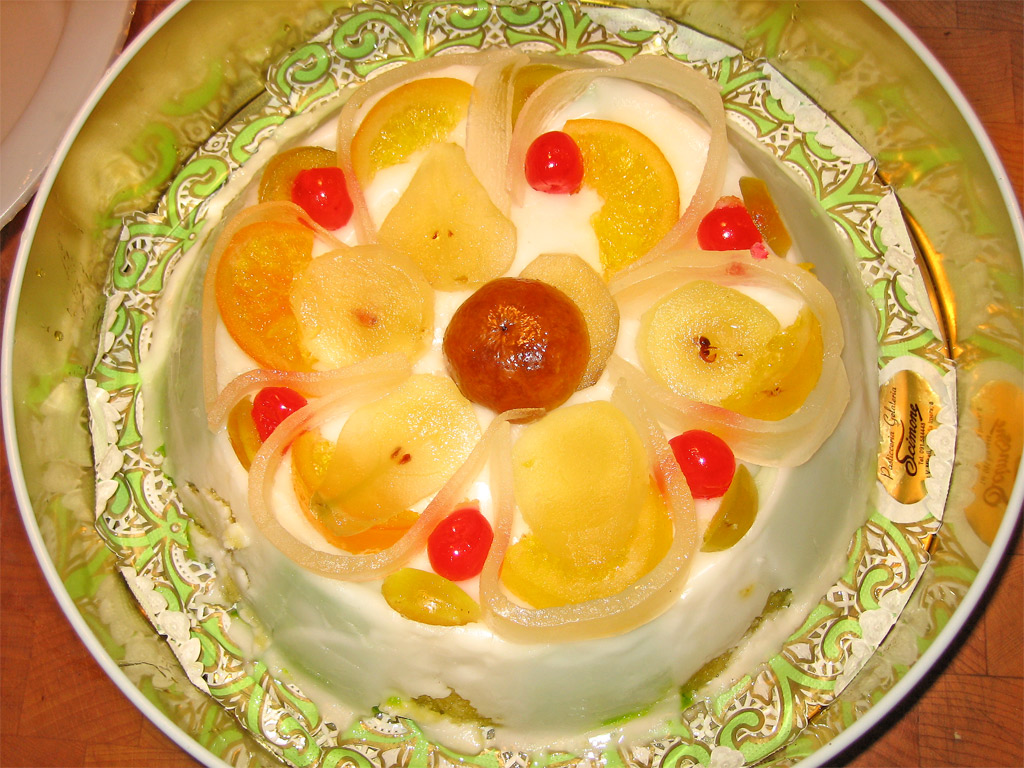
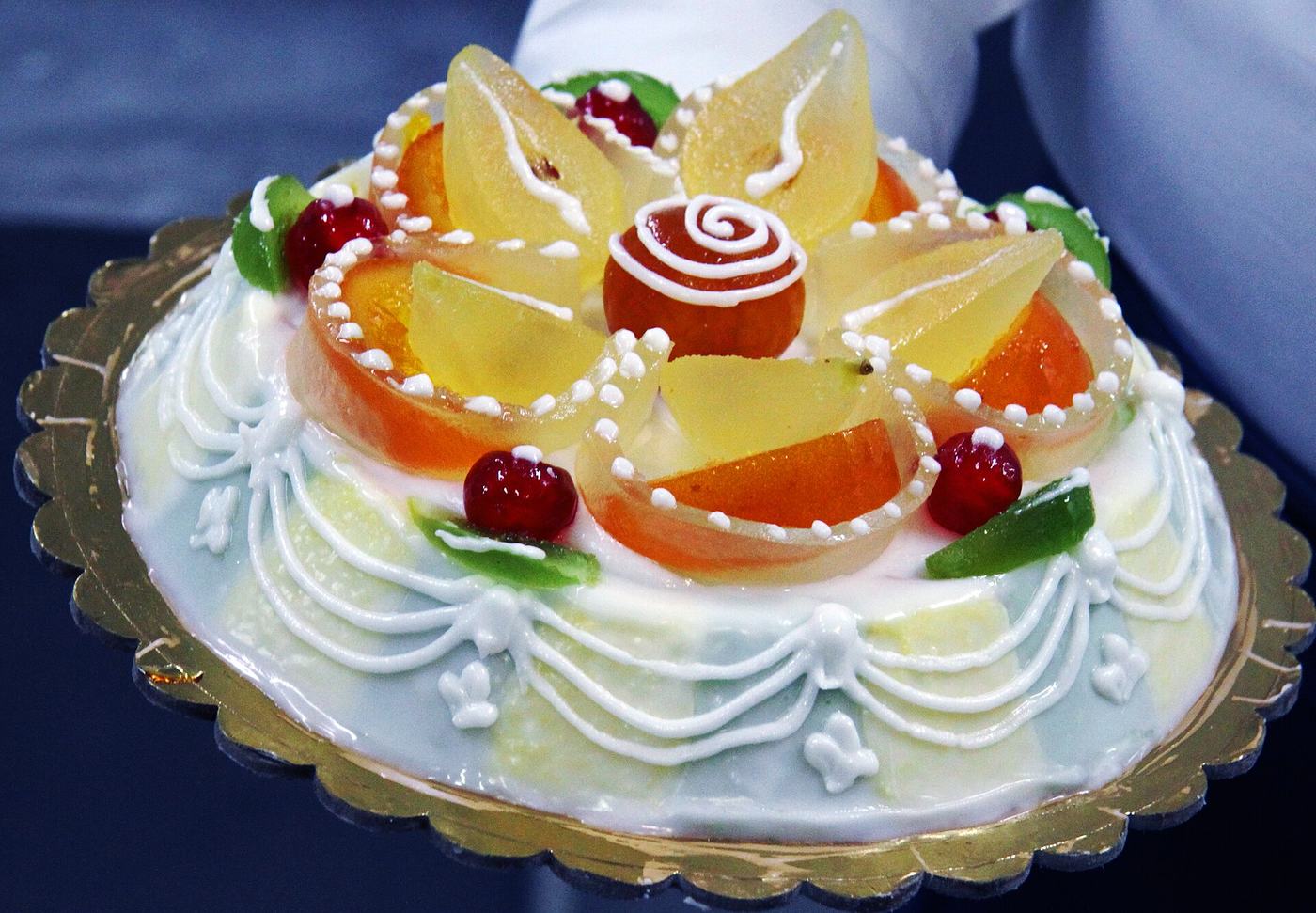
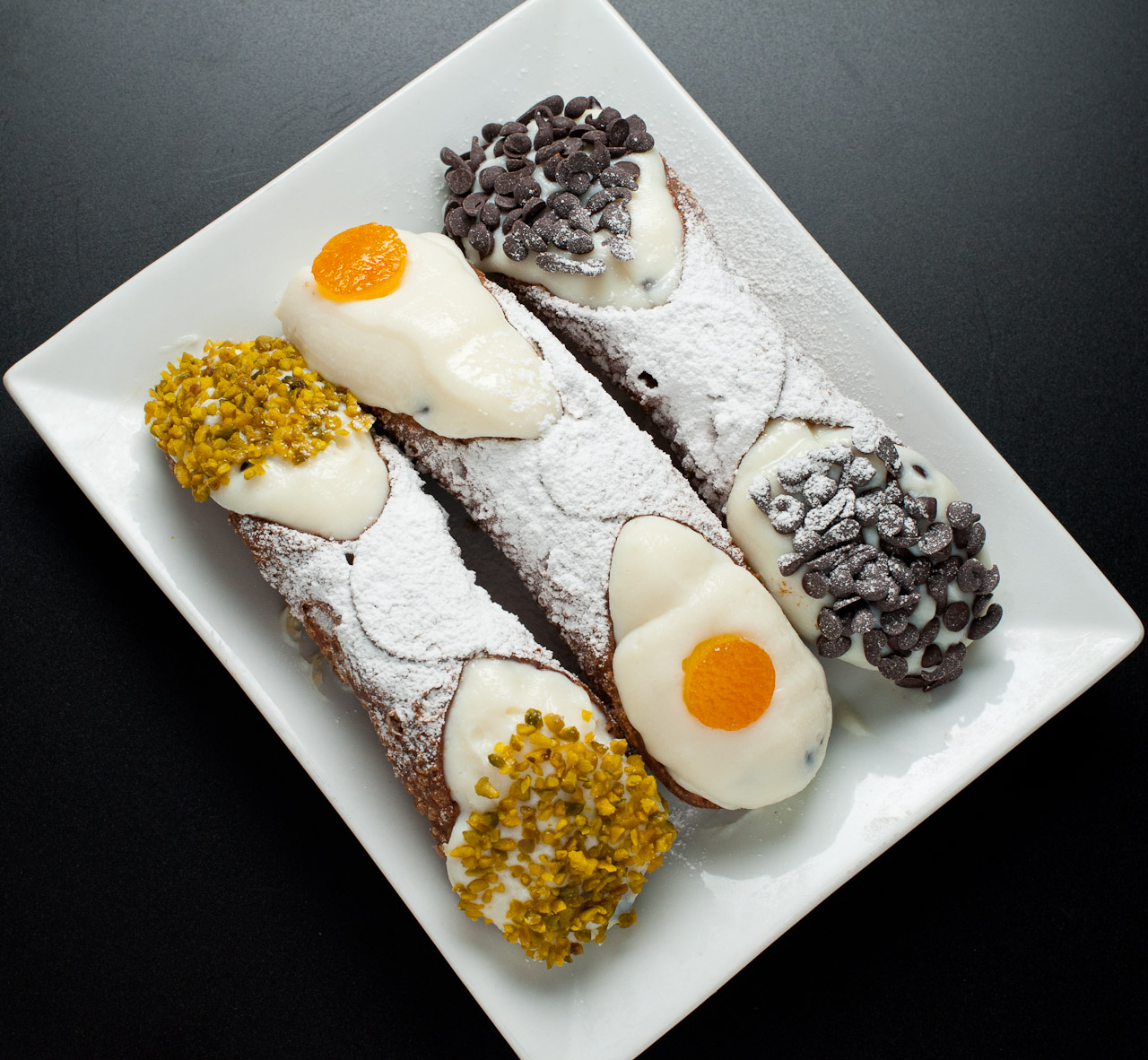
Cassata and cannolo — sweetened sheep's-milk ricotta: in the cassata beneath green marzipan and candied fruit, of Arab and convent origin; in the cannolo inside a fried shell, filled to order. Palermo · Cappello, Spinnato
Pasta all'eoliana and stuffed totani — capers, olives, cherry tomatoes and island basil; flying squid stuffed with breadcrumbs and pine nuts. Lipari, Salina
Pane cunzato — "dressed" bread: tomato, anchovies, capers, oregano, olive oil, primosale cheese. At Lingua, on Salina, it is a disc as big as a pizza, eaten looking at the sea. Salina · Da Alfredo
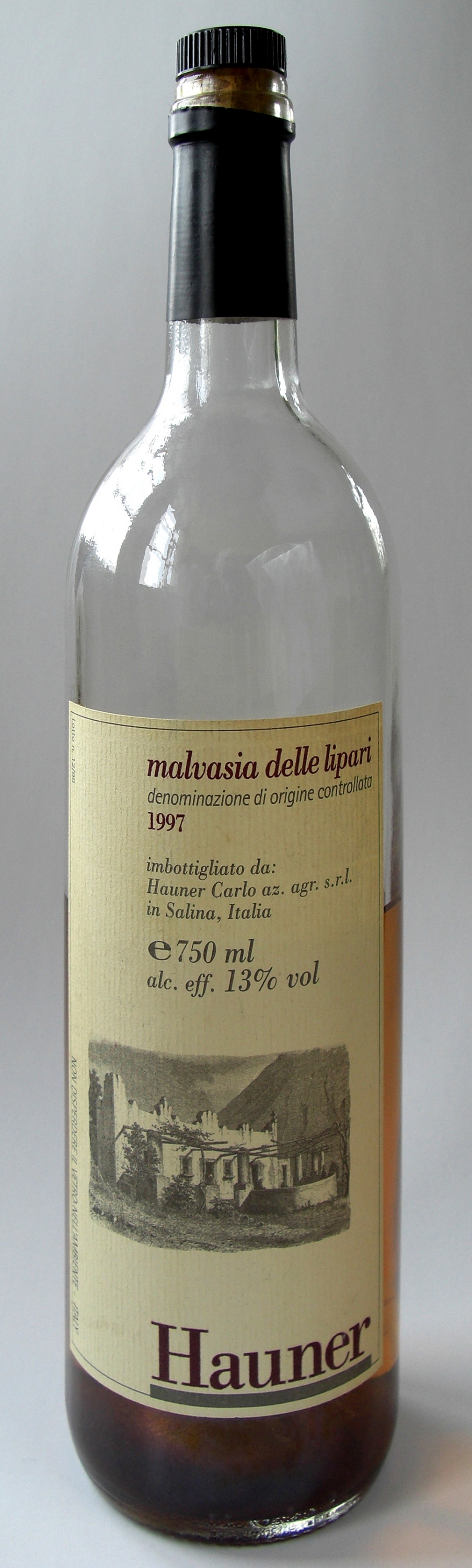
Malvasia delle Lipari — the sweet wine of the Aeolians, from sun-dried grapes; DOC since 1973. To be drunk with capers and almond pastries, or dry, at anchor, at sunset. Salina · Hauner, Caravaglio, Capofaro
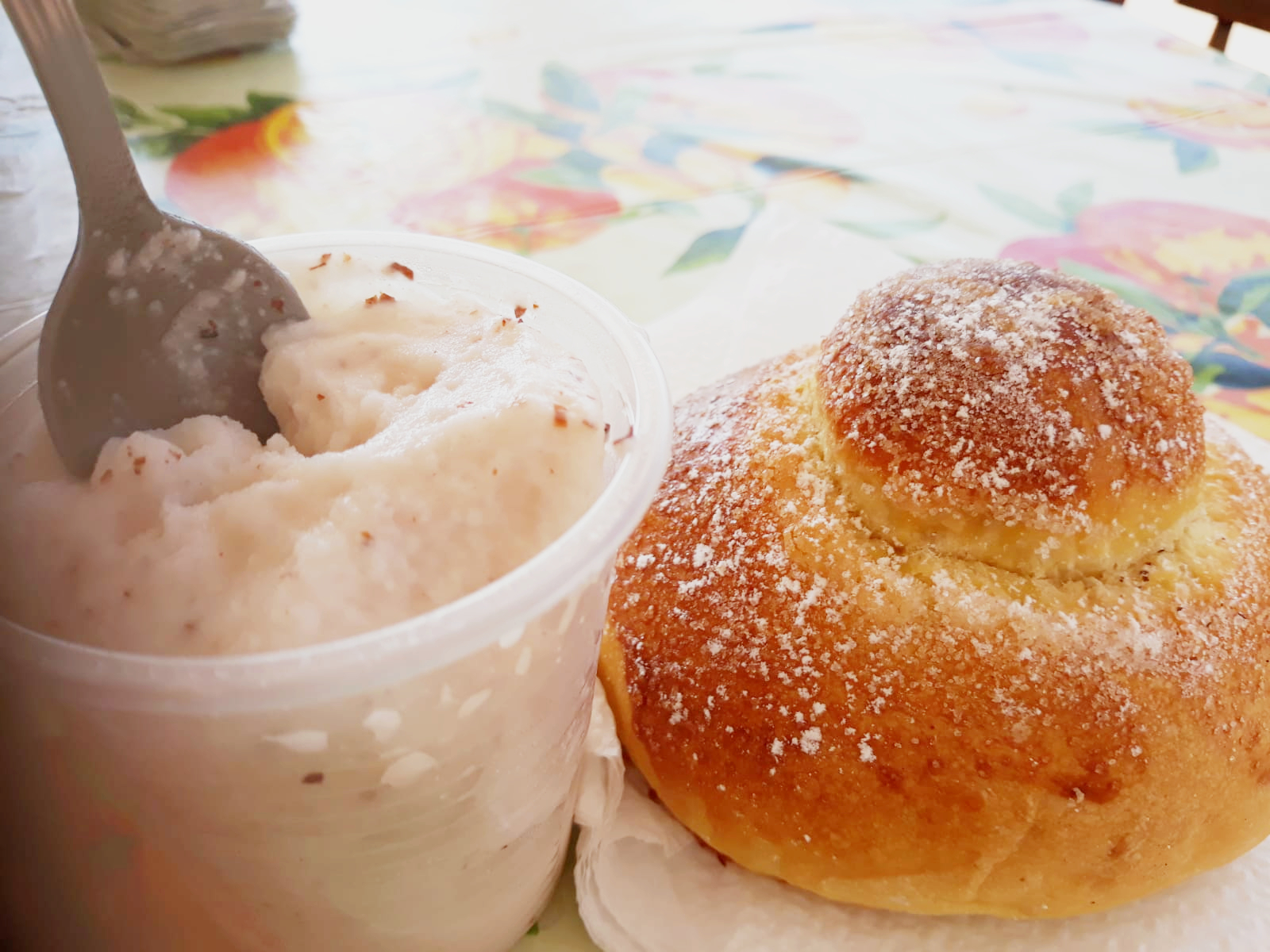
Granita with brioche — black mulberry, almond, fig, pistachio: the Sicilian summer breakfast, with a brioche col tuppo to dunk. Everywhere · on board the hostess makes it
Favignana tuna — bottarga grated over pasta, grilled ventresca, fried lattume, ficazza: the culture of the tonnara on a plate. Favignana
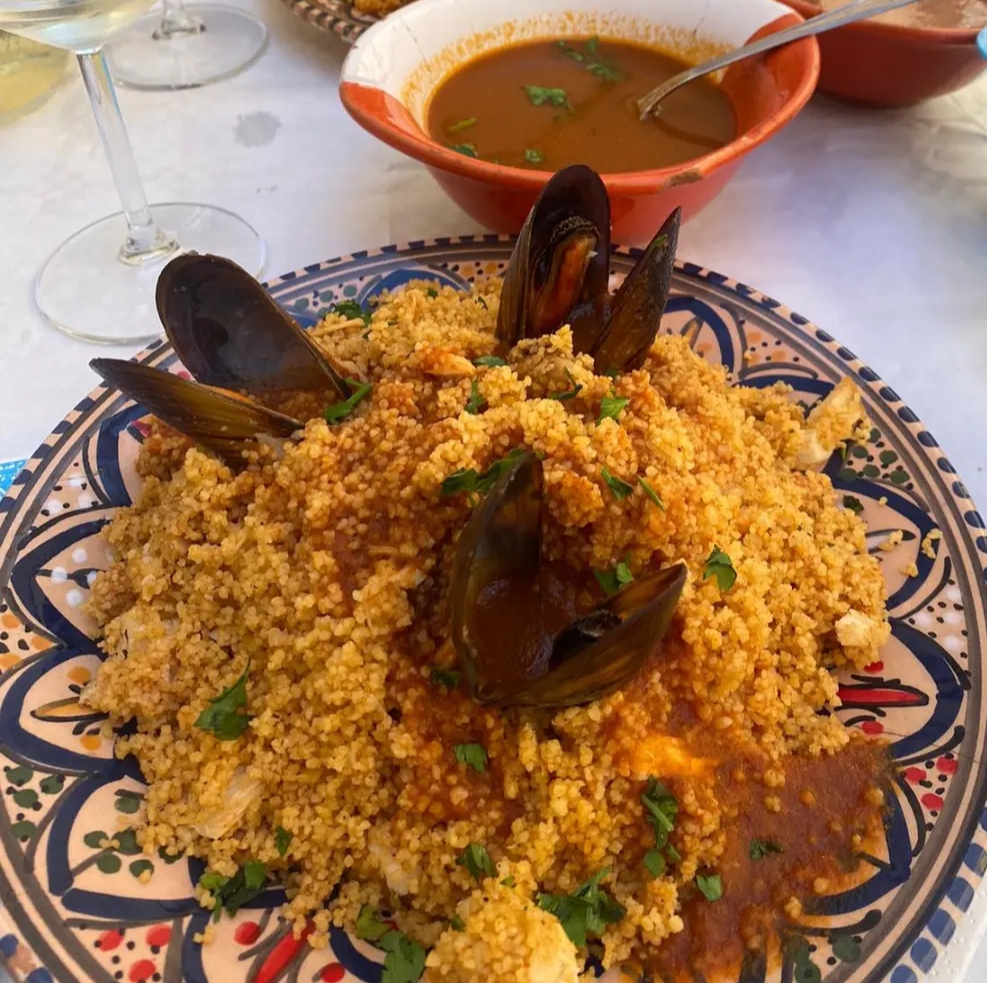
Fish cous cous and busiate with pesto trapanese — Arab cous cous rolled by hand and soaked in fish broth; busiate twisted around a rod, with red garlic from Nubia, almonds, tomato and basil. San Vito Lo Capo, Trapani
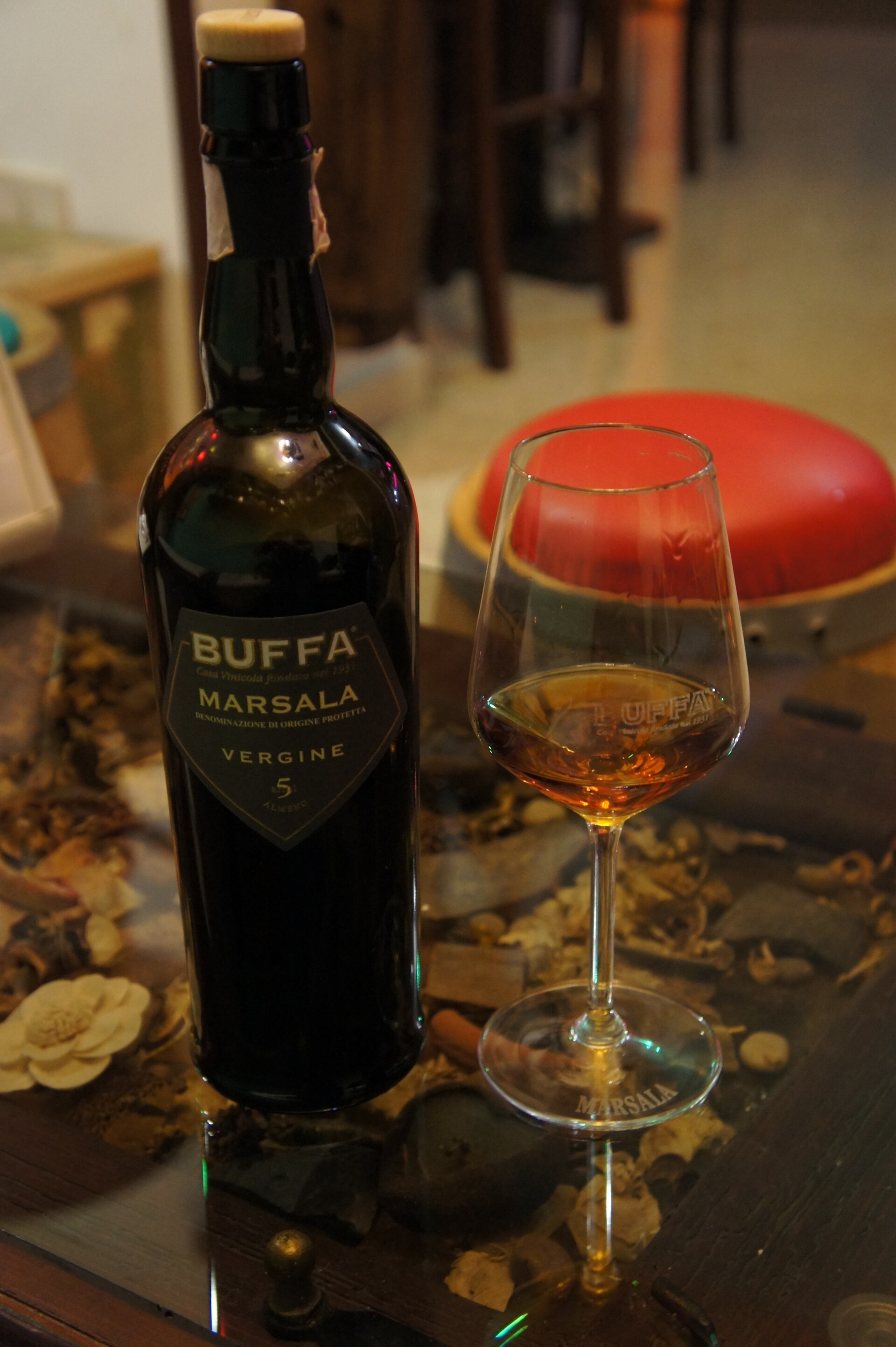
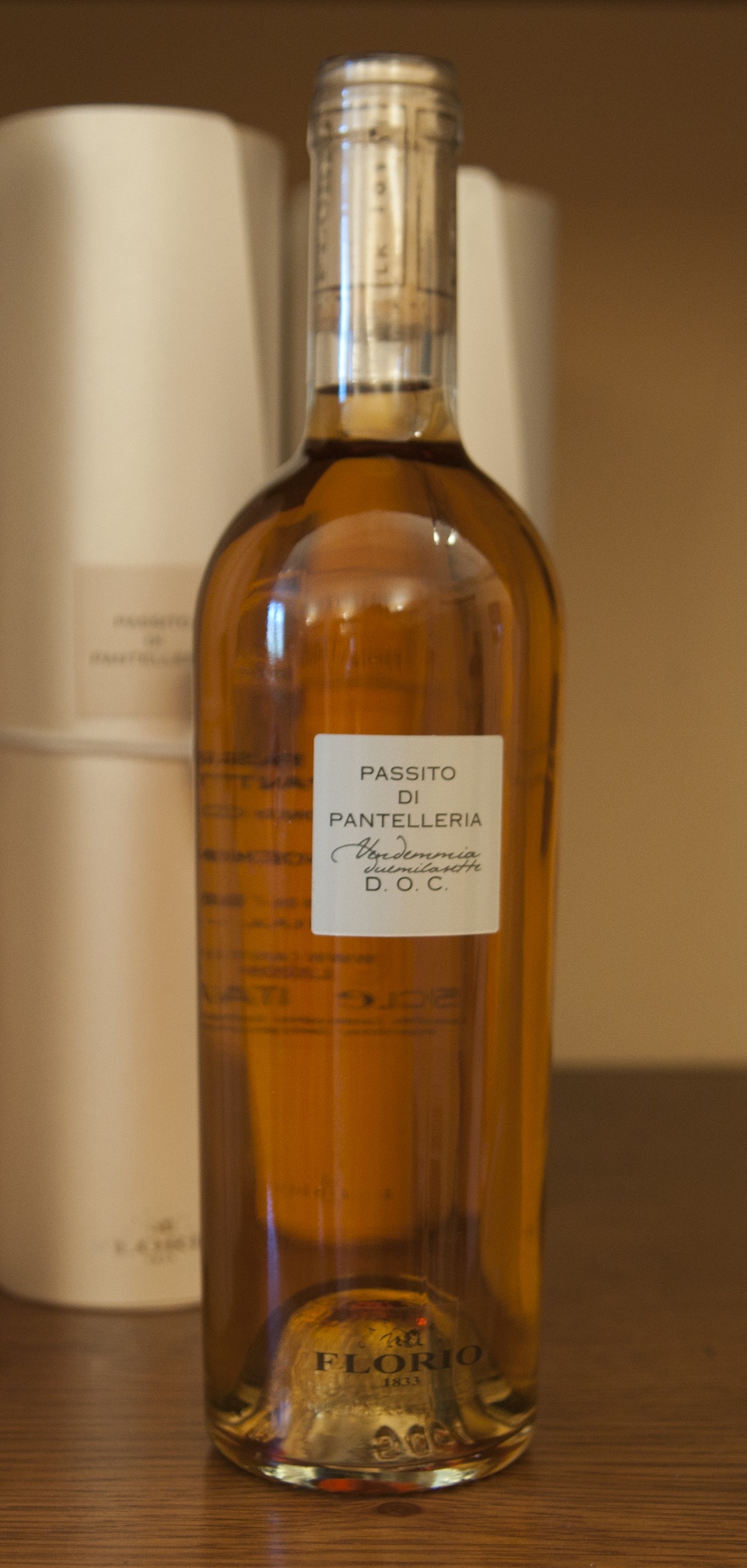
Marsala and Zibibbo — Marsala Vergine, aged at least five years, born with the English in 1773 and made great by the Florios; Passito di Pantelleria from Zibibbo grapes dried on racks. Marsala · Florio, Donnafugata, Pellegrino
The hostess builds the week's menu around these dishes, with produce bought island by island.
The wine
THE WINES OF SICILY
An island-continent with Etna at a thousand metres, the salt of Marsala, the sun of Pantelleria. The hostess keeps a cellar of them on board and pairs them island by island.
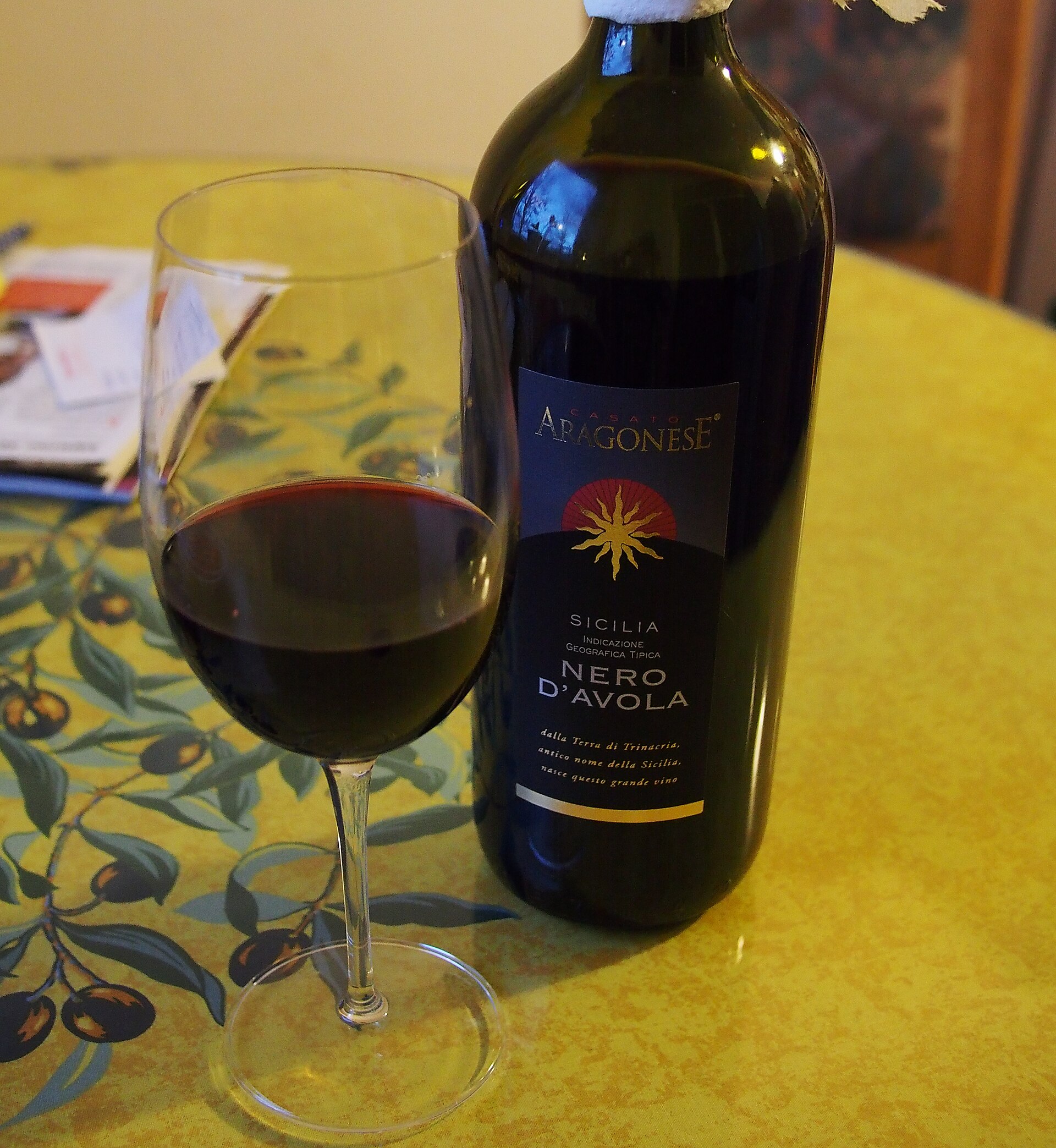
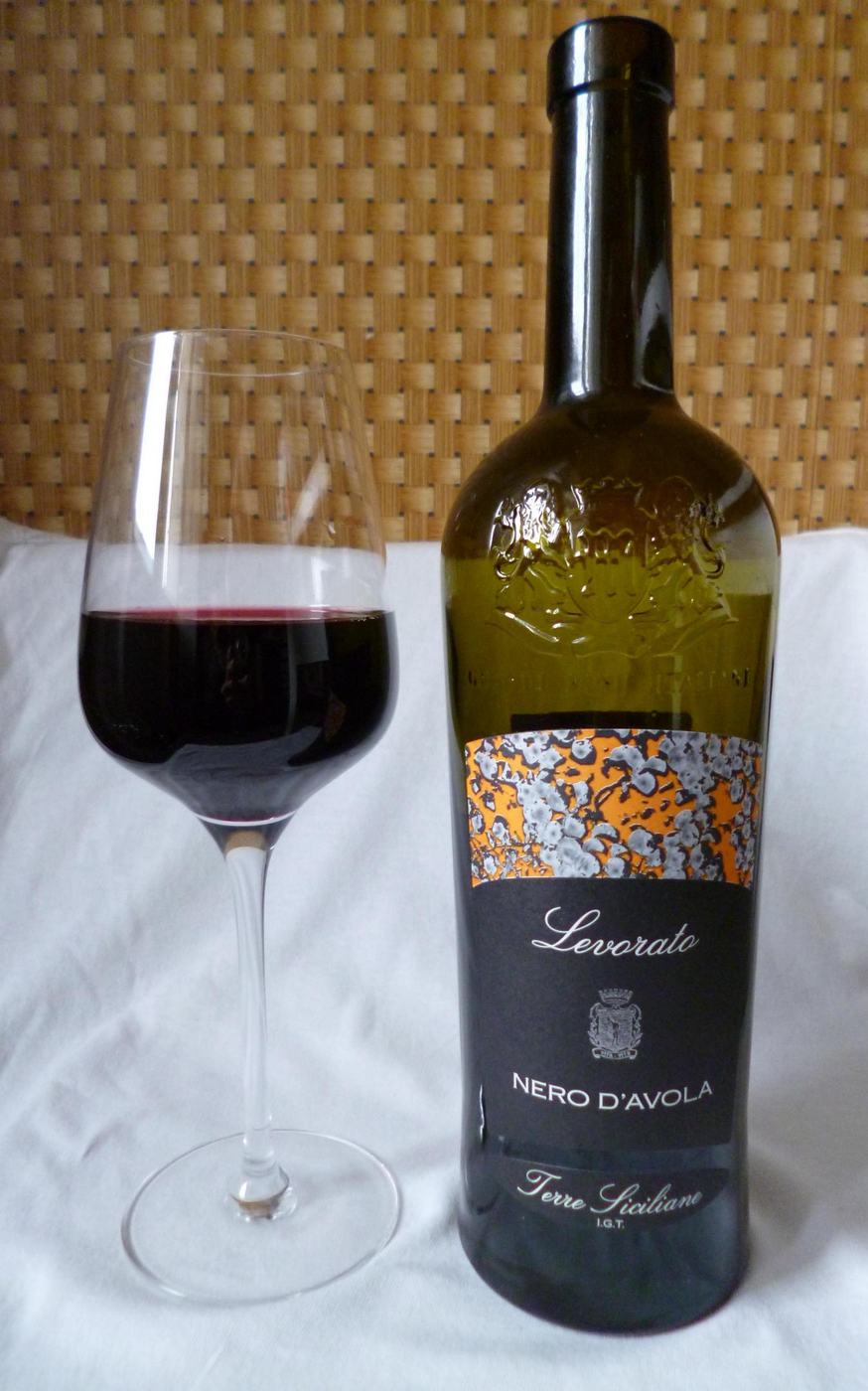
Nero d'Avola — the island's princely red, from Avola (Syracuse) to the whole of Sicily: dark fruit, warmth, softness. The first single-varietal was Duca di Salaparuta's Duca Enrico, 1984. With grilled tuna and pasta alla Norma
Etna Rosso and Bianco DOC — Sicily's first DOC (1968): Nerello Mascalese on black volcanic sand up to a thousand metres, Carricante for the "Superiore" white of Milo. Century-old bush vines among the lava flows. Benanti, Barone di Villagrande, Terre Nere, Passopisciaro. The white with raw fish, the red with Madonie lamb
Cerasuolo di Vittoria DOCG — the island's only DOCG (2005): Nero d'Avola and Frappato together, cherry-coloured, scented with rose. COS, Valle dell'Acate, Arianna Occhipinti. Fresh, for oily fish and for aperitivo at anchor
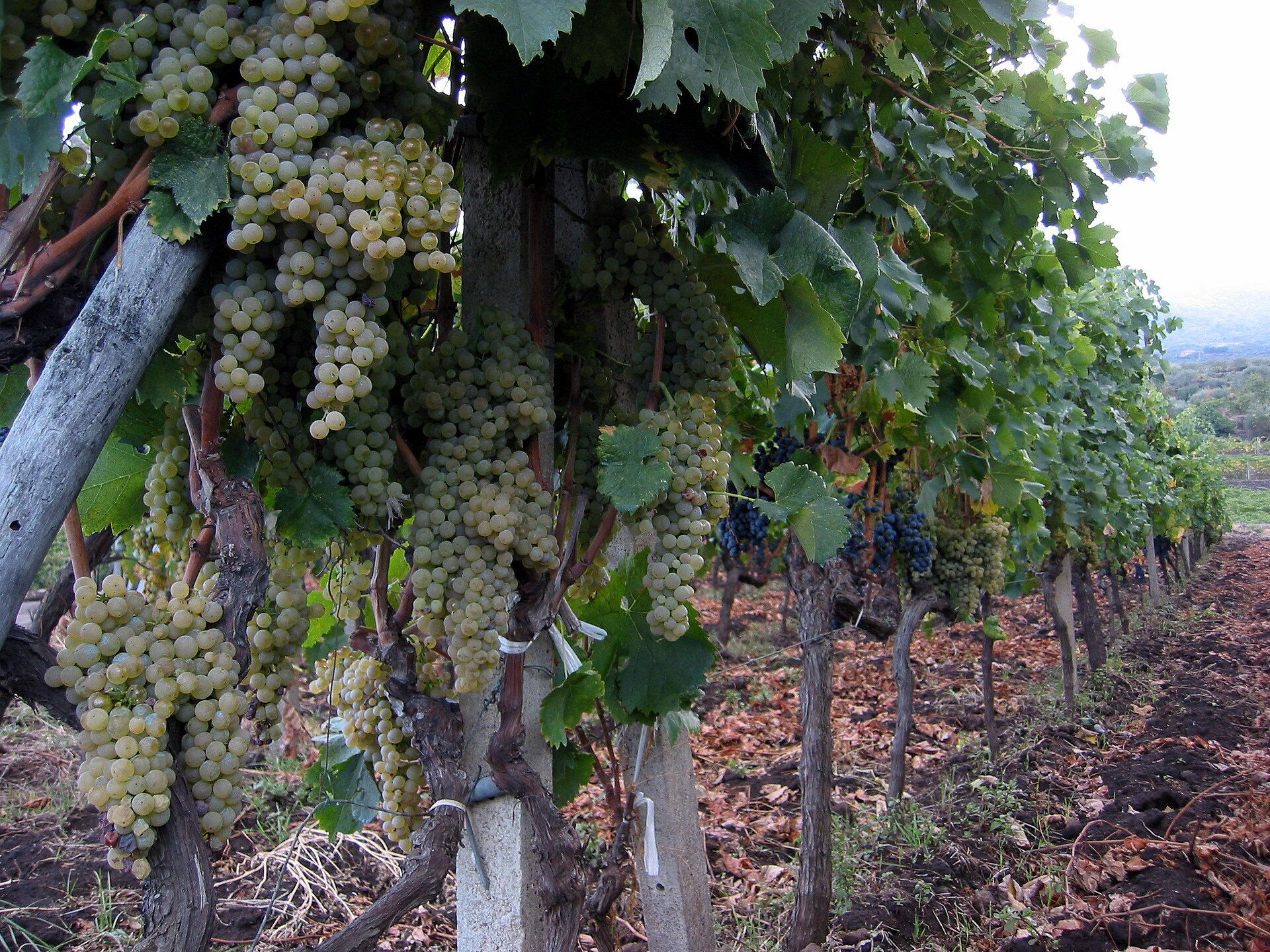
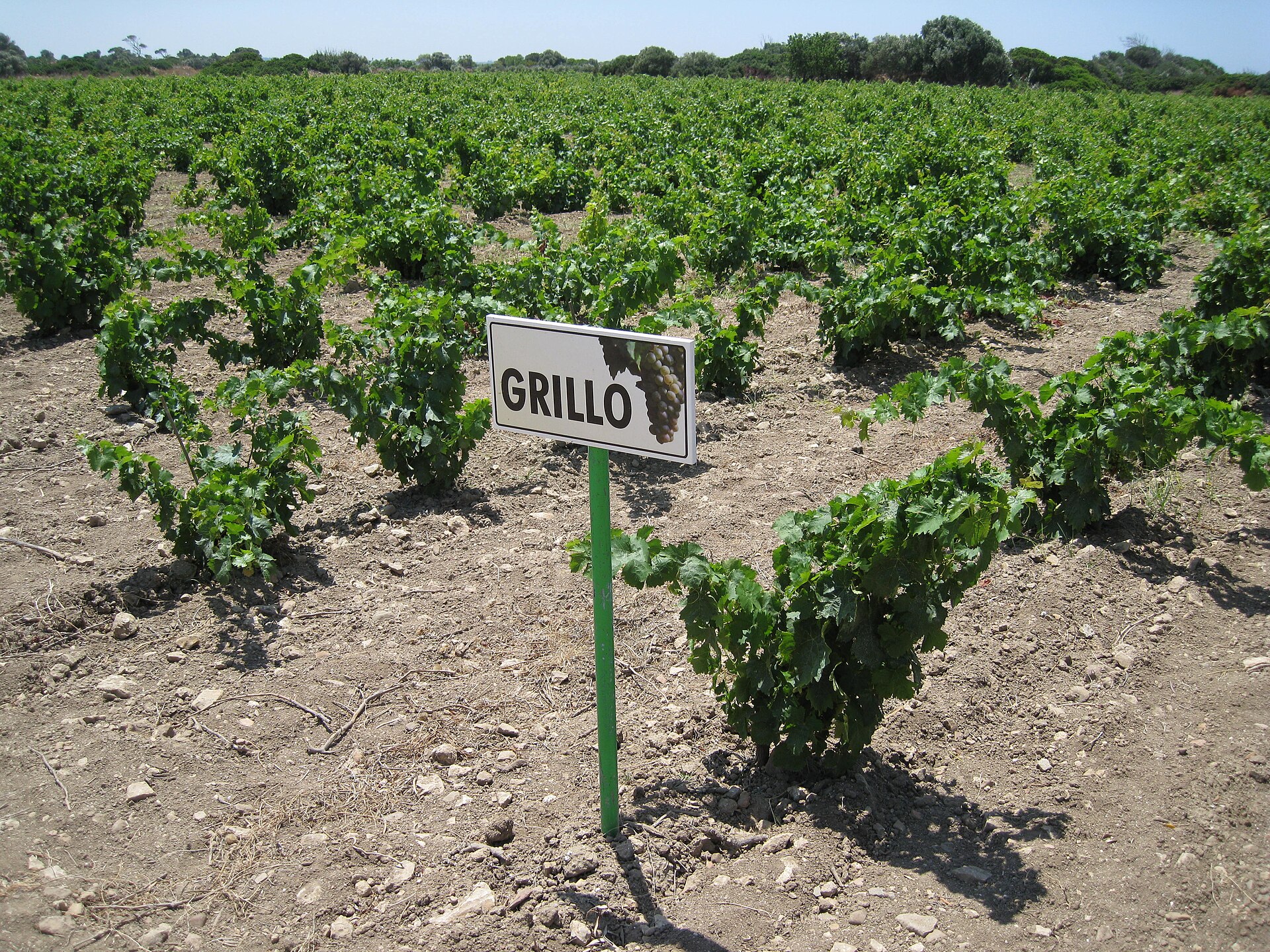
Grillo — the white of Marsala and Trapani, child of Catarratto and Zibibbo: savoury, citrusy, salty. Once the base of Marsala, today it is the white of the Egadi Islands. With fish couscous and busiate pasta
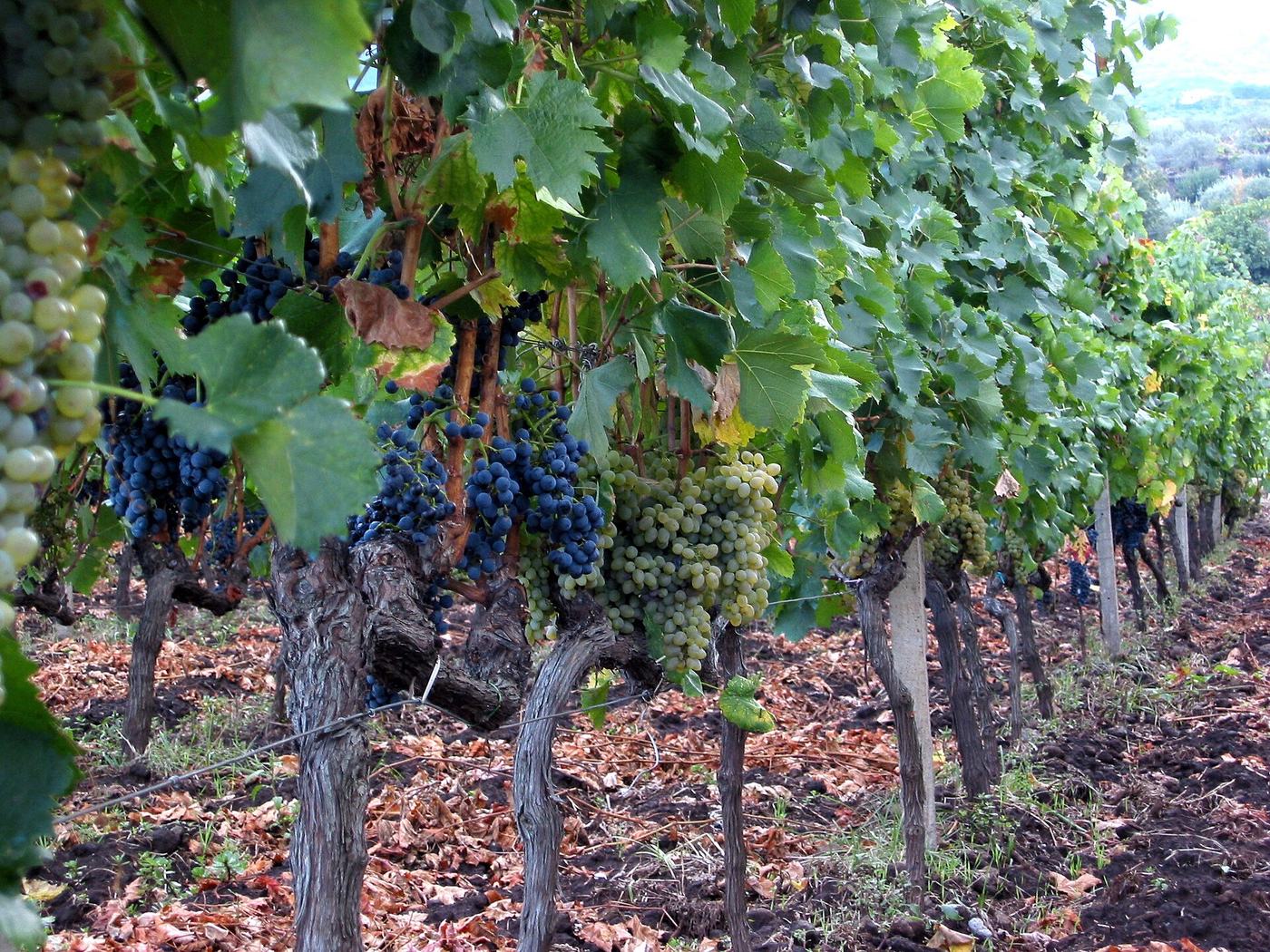
Catarratto, Inzolia, Perricone — the ancient grapes of the Palermo hills and the Monreale DOC: the island's most planted white, the aromatic of the Agrigento area, the rare and spicy red. Rapitalà, Feudo Disisa, Feudo Montoni. In the evening at Villa Igiea, with sfincione and panelle
Contea di Sclafani · Regaleali — the estate of the Counts Tasca d'Almerita since 1830, in the heart of the island at 900 metres: the Rosso del Conte (1970) was Sicily's first cru. From here too comes the Syrah, which found a second homeland in Sicily (Planeta, Cusumano). With lamb and the cheeses of the Madonie
Planeta Chardonnay — 1994, Menfi: the white that carried modern Sicily to the world, from the family that has farmed the island since 1985 across five estates. With the lobster of Marettimo
Malvasia delle Lipari DOC — 1973, Salina: sun-dried grapes, apricot and honey. Revived by Carlo Hauner in the 1960s; today Caravaglio, Tasca's Capofaro. At sunset in Pollara, with capers and almond pastries
Marsala DOC — born in 1773 with the Englishman Woodhouse, made great by Ingham and by the Florios (1833), Italy's first DOC among fortified wines (1969). The Vergine ages for at least five years. Florio, Pellegrino, Marco De Bartoli (Vecchio Samperi), Donnafugata. With pecorino, cannolo, cassata
Passito di Pantelleria DOC — Zibibbo dried on racks, bush vines listed as UNESCO heritage. Donnafugata's Ben Ryé, De Bartoli's Bukkuram. Dry Zibibbo (Lighea, Pietranera) is the aromatic aperitivo of the anchorages. With almond sweets and gelo di mellone
Faro DOC and Moscato di Noto — the red of the Strait, resurrected by Palari in the 1990s on the hills of Messina; and the sweet muscat of the Val di Noto (1974), Planeta and Marabino. Scylla and Charybdis in the glass; the Noto with granita
The sweets
THE SWEETS: FROM THE ARABS TO THE CONVENTS
Sugar, almond, pistachio, ricotta: the Arabs brought the ingredients, the cloistered convents the recipes, the Florios the pastry of the court. No other island in Europe has so long a tradition of sweets.
Cassata — Arab in name (qas'at, the bowl) and in ingredients; Norman and conventual in form, with green marzipan and icing. The Baroque version is by the pastry chef Gulì, 1873. Cappello · Costa · Massaro
Cannolo — legend has it born in a Saracen harem at Caltanissetta; history places it in the convents. Fried shell, sheep's-milk ricotta, filled to order or it is not a cannolo. Oscar · Cappello · Piana degli Albanesi
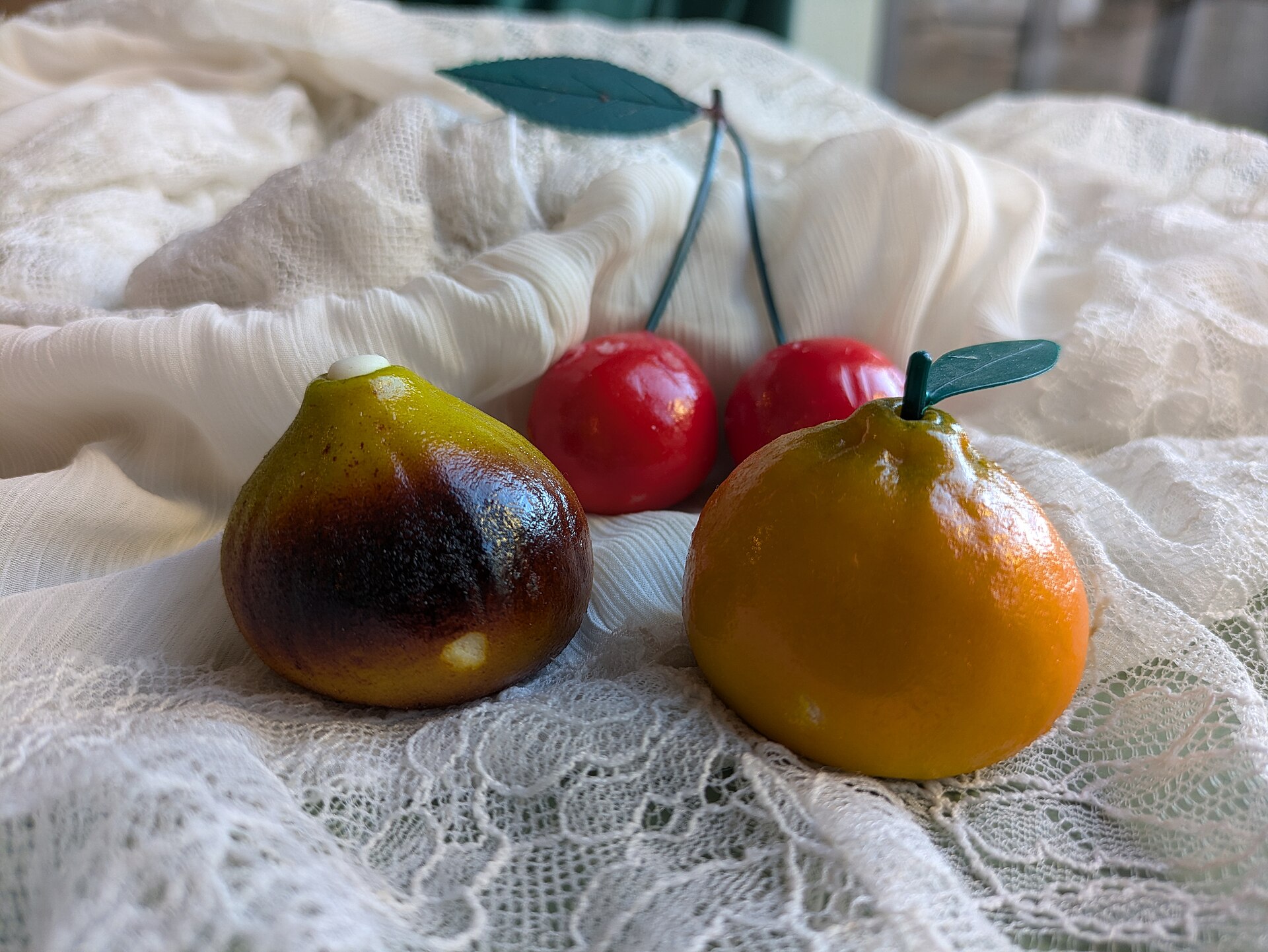
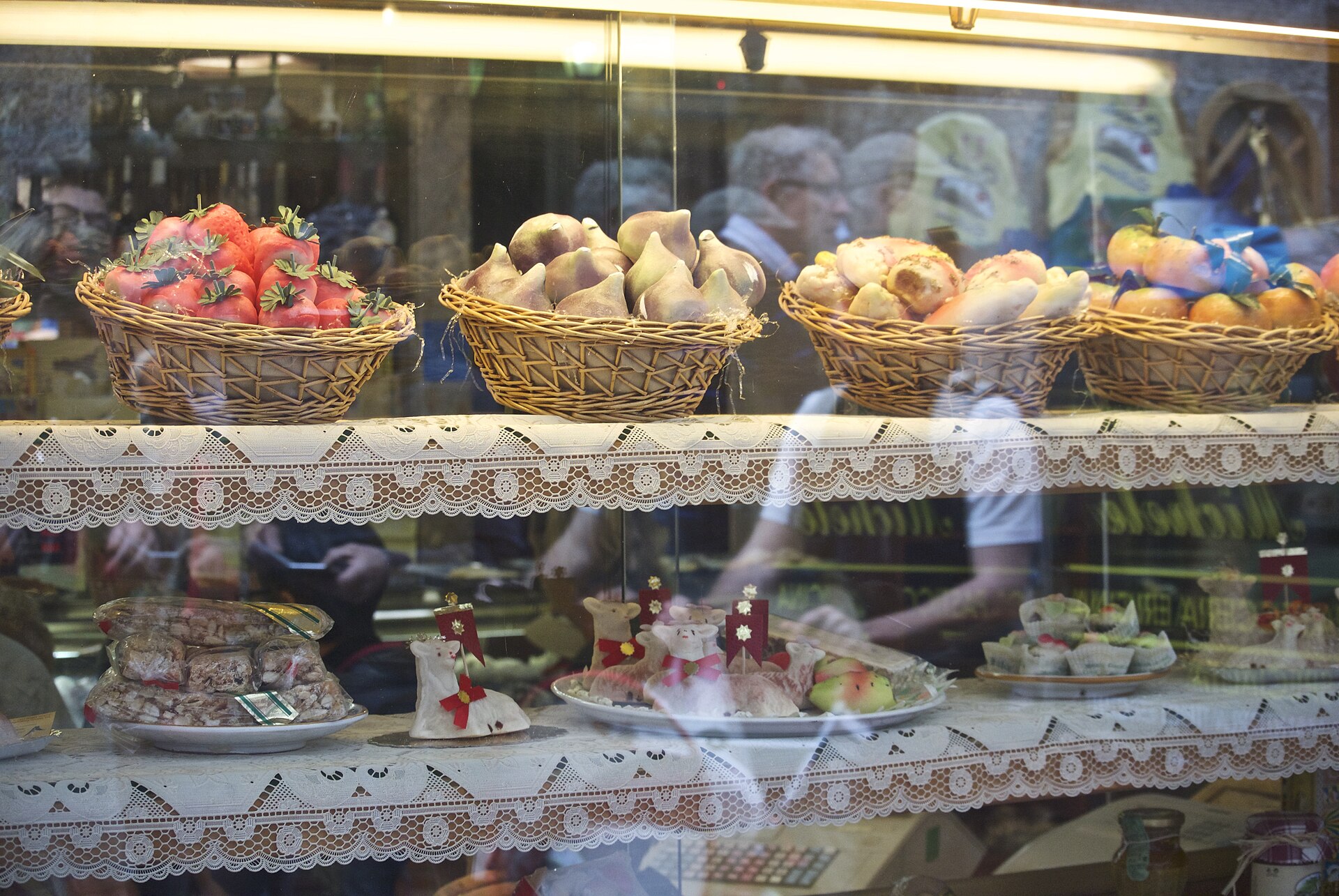
Frutta martorana — almond paste modelled into lifelike fruit, created in the Martorana monastery to astonish a visiting bishop; given to children on 2 November. Costa · Spinnato
Genovesi di Erice — warm shortcrust with pastry cream, a recipe from the convent of San Carlo, saved by Maria Grammatico, who grew up there as a child. Erice · Maria Grammatico
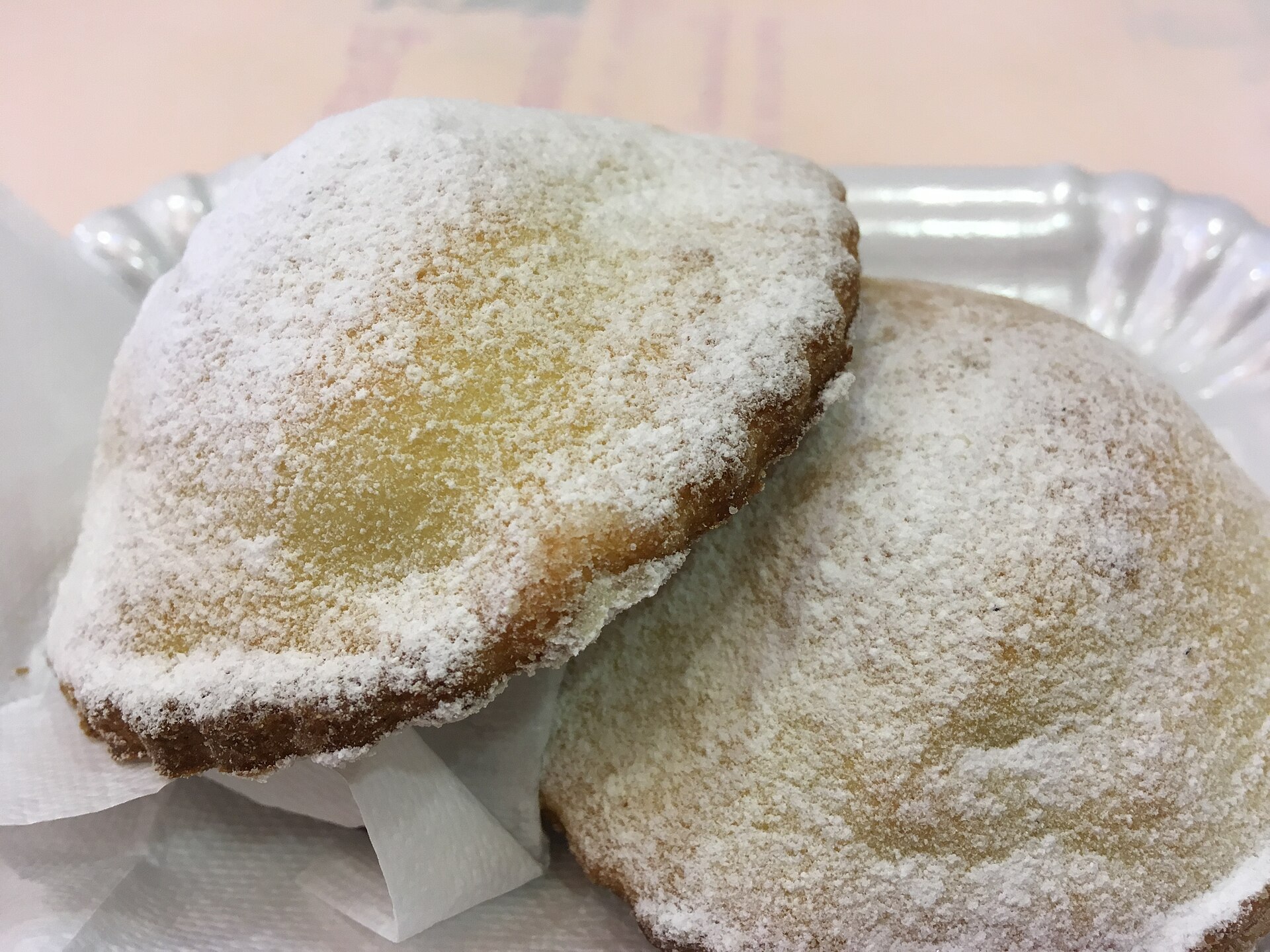
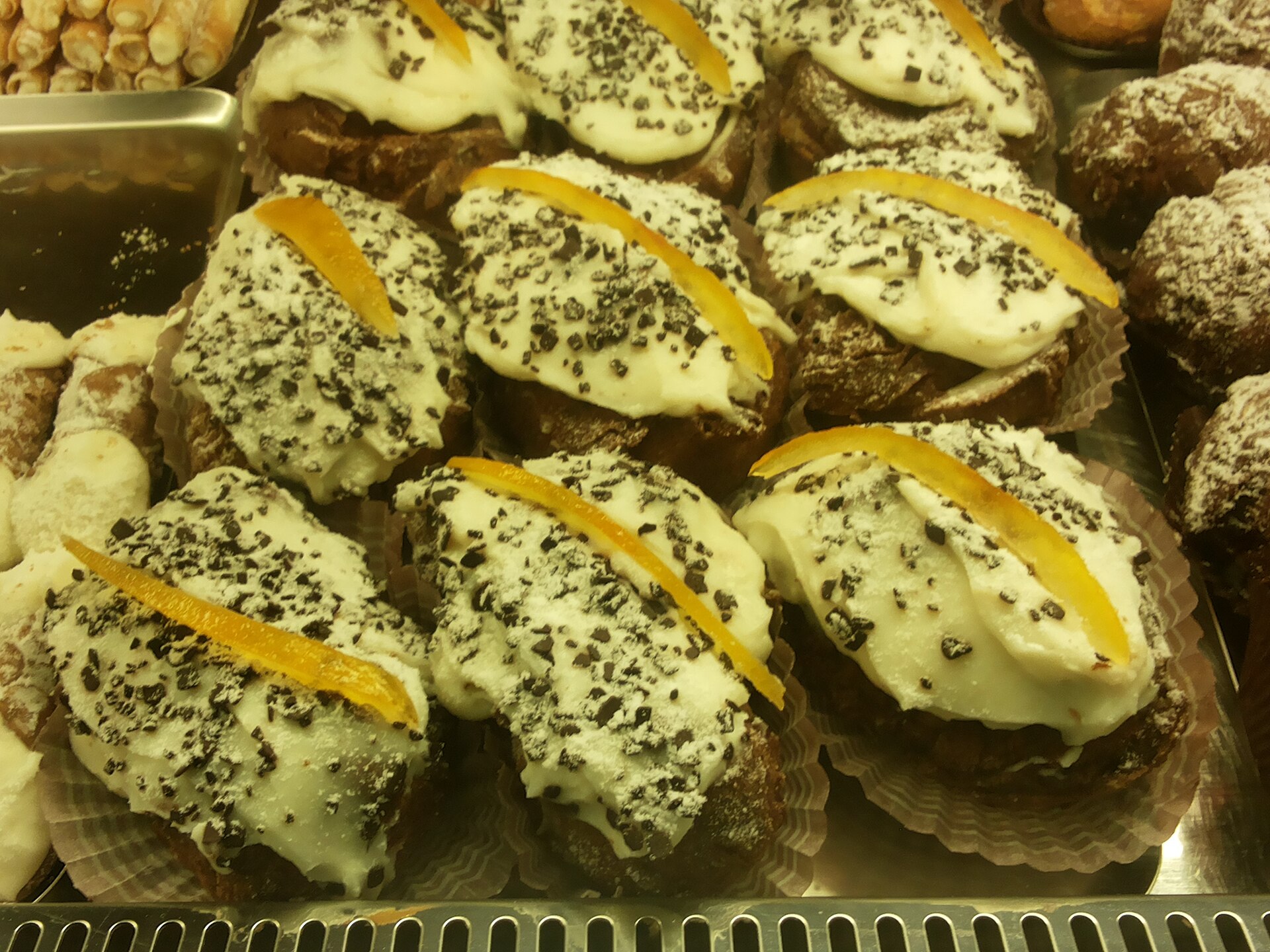
Sfincia di San Giuseppe and iris — the fried choux with ricotta and pistachio (from the Arabic isfanǧ, sponge), and the iris, the filled fried brioche invented by Costa in 1901 for Mascagni's opera. Cappello · Costa · the bars of the Capo market
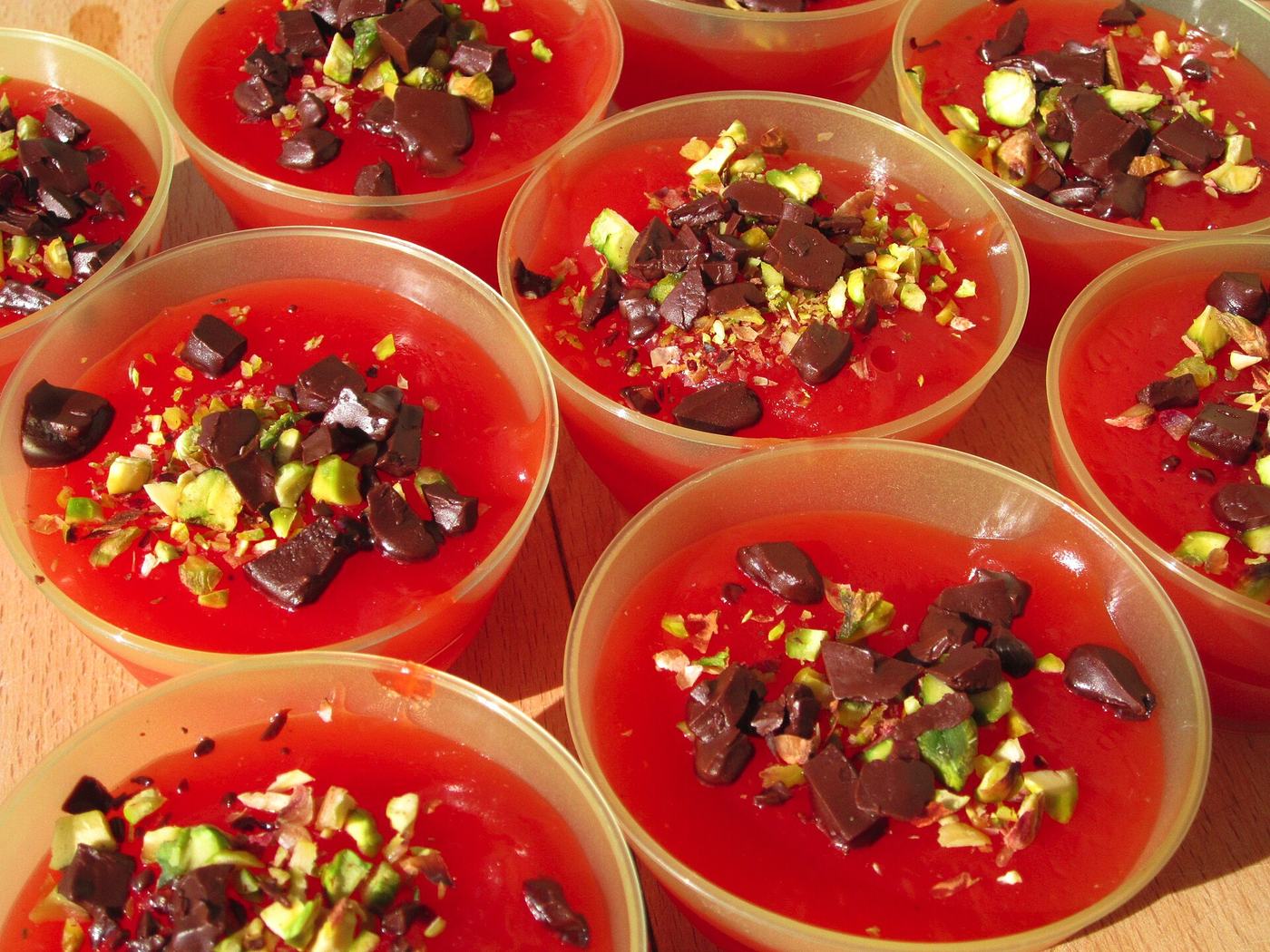
Gelo di mellone and biancomangiare — the watermelon pudding with jasmine and chocolate of mid-August, and the almond-milk pudding: two Arab legacies, intact. Spinnato · Massaro
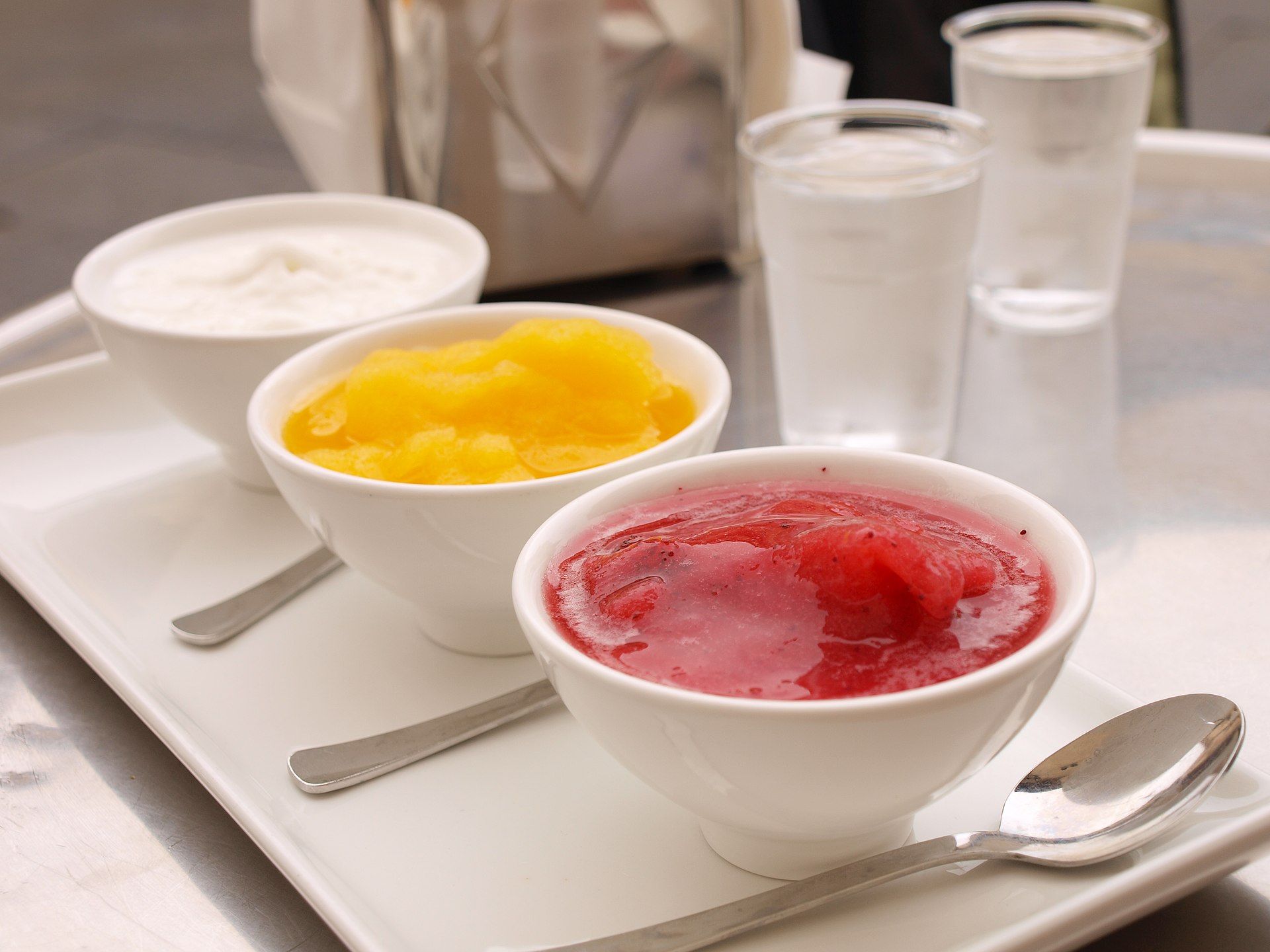
Granita and brioche col tuppo — from the Arab sherbet, made with Etna snow stored in the ice houses: mulberry, almond, pistachio, fig. On board, the hostess makes it. Caffè Sicilia in Noto · Spinnato
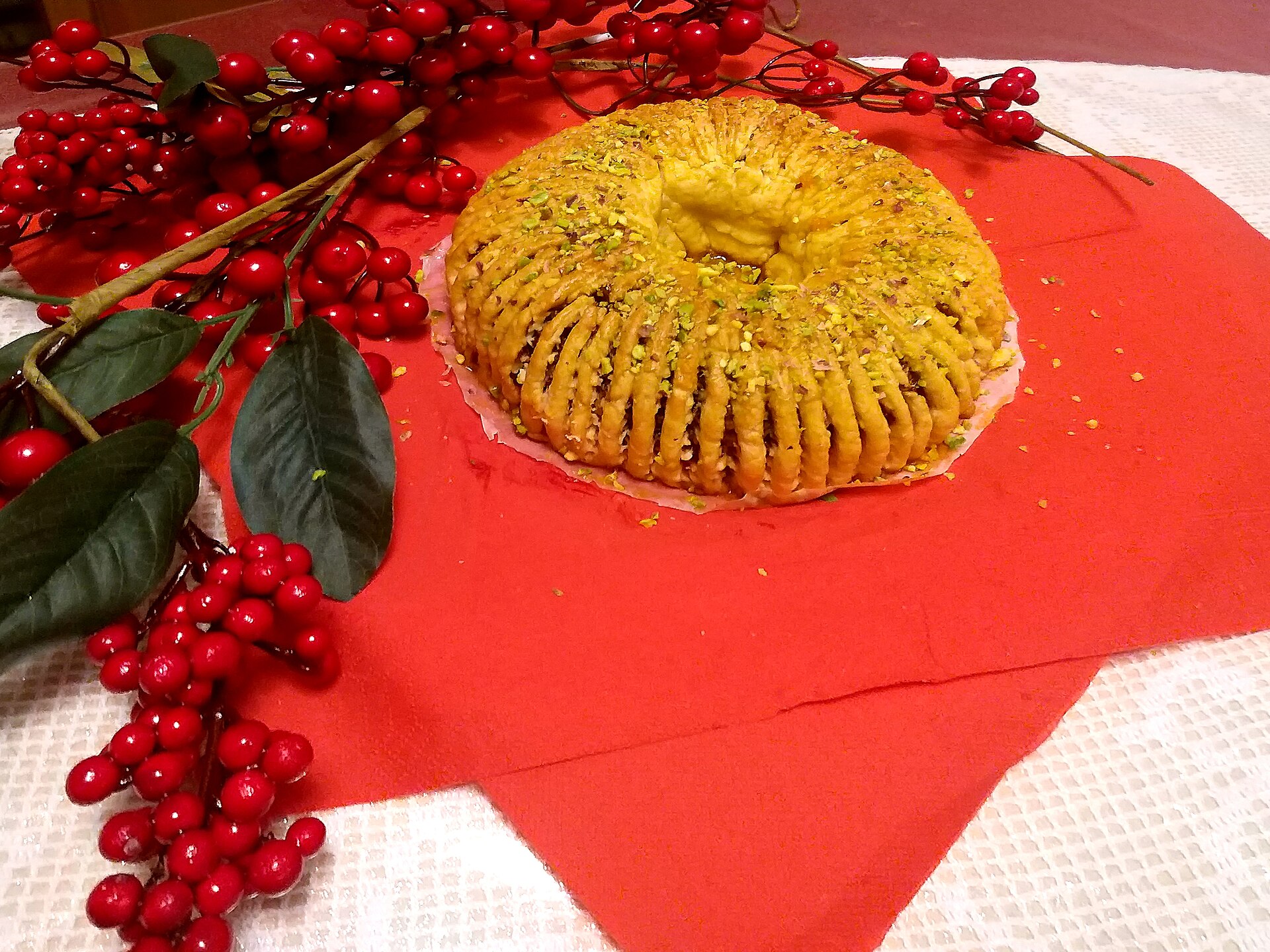
Buccellato, cubbaita, cuccìa — the Christmas ring cake with figs and almonds; the sesame-and-honey brittle (qubbayta) of the markets; the wheat of Saint Lucy with ricotta, from the vow of 1646. Ballarò · Cappello
Paste di mandorla and Setteveli — the pure almond pastries of the convents of Noto and Avola; and the Setteveli cake, born in Palermo in 1997 and world pastry champion. Massaro · Cappello
At the table
WHERE TO EAT
The tables we recommend, stop by stop: awarded by the 2026 guides, or institutions worth the journey in themselves. ⚓ = reached from the anchorage, by tender or on foot from the quay; 🚗 = requires an excursion inland. The hostess books for you.
Palermo and its coast
Table
Where
Why
Mec ★ Michelin
Palermo, facing the Cathedral
Carmelo Trentacosti: caponata with Modica chocolate velouté, in a 16th-century palazzo
🚗 15 min
Gagini · Michelin, Identità Golose
Palermo, la Cala (Antonello Gagini's workshop)
Marco Massaia, contemporary research cuisine
⚓ Marina della Cala, 3 min
Buatta Cucina Popolana · Bib Gourmand, Tre Gamberi
Palermo, corso Vittorio Emanuele
Pasta con le sarde and panelle in an Art Nouveau dining room: the best trattoria in western Sicily
🚗 10 min
Corona Trattoria · Slow Food, 50 Top Italy
Palermo, Politeama
The catch of the day and the Corona family's crudo
🚗 5 min
Bye Bye Blues · Due Forchette
Mondello
Patrizia Di Benedetto, the first woman chef to earn a star in Sicily
⚓ Mondello bay
Trattoria Il Delfino · institution
Sferracavallo
A set fish menu for fifty years: eight antipasti, three pasta courses, two mains, wine included
⚓ small harbour, 3 min
Il Bavaglino ★ and Salotto sul Mare Bib Gourmand
Terrasini
Giuseppe Costa: the star and, upstairs, his bistro over the gulf
⚓ Terrasini harbour, 2 min
I Pupi ★ · Līmū ★ · Trattoria Don Ciccio (1943)
Bagheria
The town of the villas: Tony Lo Coco at Villa Palagonia, Nino Ferreri in a tower of 1565, the historic trattoria
🚗 from Aspra, 10 min
Ciambra · Michelin
Monreale, by the Cathedral
After the mosaics, Marco Sorrentino's fish
🚗 30 min
Cortile Pepe · Qualia · Michelin
Cefalù
The Norman cathedral and two modern kitchens five minutes from the harbour
⚓ Cefalù bay
Antico Caffè Spinnato (1860) · Cappadonia · Tre Coni
Palermo
Cannolo and cassata; pistachio gelato
🚗
Aeolian Islands
Table
Where
Why
I Tenerumi ★★ · Tre Forchette
Vulcano, Therasia Resort
Davide Guidara, two stars in 2026: a surprise plant-based tasting menu, dinner only
⚓ Vulcanello bay
Il Cappero ★
Vulcano, Therasia Resort
The Aeolians' first star: a twenty-cover terrace over the sea
⚓ Vulcanello bay
Filippino · Michelin (since 1910)
Lipari, piazza Municipio
The "Nonno Filippino" fish soup, for over a century
⚓ Marina Corta, 5 min
E Pulera · Le Macine Slow Food
Lipari
Dinner in the citrus grove; the mill osteria with its kitchen garden
⚓ / 🚗 15 min
Signum ★ and Green Star · Tre Forchette
Salina, Malfa
Martina Caruso, ten years with a star; "Sigillo" and "Oltremare" menus
⚓ Malfa, 10 min on foot
Nni Lausta · Michelin
Salina, Santa Marina
Aeolian seafood with flair, terrace over the harbour
⚓ 3 min from the quay
Da Alfredo (1968) · institution
Salina, Lingua
Pane cunzato and mulberry granita beside the salt lagoon
⚓ Lingua bay
Hycesia · Michelin
Panarea, San Pietro
Fish and one of the finest wine cellars in the islands
⚓ San Pietro harbour
Punta Lena · Michelin (since 1988)
Stromboli, Ficogrande
Crudo and dry-aged fish under the pergola, facing Strombolicchio
⚓ Ficogrande bay
La Sirena and Filicrudi · institution
Filicudi, Pecorini a Mare
The catch of the day ten metres from the water, Aeolian crudo
⚓ land right in front
Ericusa · institution
Alicudi, at the harbour
The only real table on the island without roads
⚓ 10 m from the quay
Egadi Islands and the Trapani coast
Table
Where
Why
Trattoria Il Veliero · institution
Marettimo, on the quay
The fishermen cook the lobster and the soup of the day
⚓ on the harbour
Albergo Paradiso · institution
Levanzo
Terrace over the little harbour, fish
⚓ on the harbour
Sotto Sale
Favignana, town centre
Egadi tuna, the osteria and its garden; and the Tonnara Florio to visit beside the harbour
⚓ 5 min
Profumi di Cous Cous · Michelin · Gnà Sara
San Vito Lo Capo
Fish cous cous in the citrus courtyard; hand-made busiate
⚓ harbour, 5 min
Cantina Siciliana (1958) · Caupona · Slow Food
Trapani, la Giudecca
Cous cous and busiate with pesto trapanese, Slow Food Presidia produce
⚓ Marina di Trapani, 10 min
Osteria Il Moro · Michelin, Golosario
Trapani, town centre
Nicola Bandi, the gourmet of the territory
⚓ 5 min
La Bettolaccia · institution
Trapani
Thirty covers and, for many, the best cous cous in Sicily
⚓ 10 min
Tenute Plaia · Michelin
Scopello
Estate cooking with the sea stacks in front of you
⚓ tonnara bay + 10 min
Monte San Giuliano · Maria Grammatico (1963)
Erice
Cous cous on the terrace at 750 metres; genovesi and the convent's almond sweets
🚗 cable car from Trapani
Cantine Florio (1833) · Il Gallo e l'Innamorata · Ciacco
Marsala
A tasting of the four Marsalas; the busiate osteria; the natural-wine bistro
⚓ Marina di Marsala, 10 min
Awards from the 2026 guides (Michelin, Gambero Rosso, Slow Food Osterie d'Italia, 50 Top Italy, Identità Golose). No stars in the Egadi: what you get is the authenticity of the fishermen — and that is exactly what you came for.
VIDEOBOOK
VIDEOBOOK
All clear
RATES
On the booking portals the price is hidden ("€0, request a message"). Not here: what you see is what you pay, and booking direct means no portal commission.
Week (Sat–Sat)
Boat
Skipper
Hostess (recommended)
Luxury Comfort Pack
Indicative total
Low season (Apr–May · 20 Sep–Oct)
from €6,373
€1,700
€1,500
€950
from €10,523
Mid season (Jun · 1–19 Sep)
from €8,119
€1,700
€1,500
€950
from €12,269
High season (Jul–Aug)
message on WhatsApp — only a few weeks, and they go first
Hostess €1.500/week — we always recommend her: beds made every day, bathrooms kept spotless, breakfasts, snacks, aperitivi, drinks, lunches and dinners prepared on board — it is the difference between a holiday on a boat and a holiday. Split among 9 guests with the hostess: around €1,170 per person for a week with skipper and hostess.
What is included and what is added — no surprises
Item
Amount
Notes
Luxury Comfort Pack (mandatory)
€950 per week
final cleaning, bed linen, 2 towels per person, tender with outboard, Starlink wi-fi, SUP, coffee machine + pods, outdoor cushions, gas bottle
Egadi Marine Protected Area permit
€115
Egadi itinerary only
Security deposit
€4,000
credit card at boarding, released at disembarkation
Early check-in (1 pm)
€200
standard: boarding from 3 pm, disembarkation by 8 am
Check-in on Sunday or public holiday
€200
on request
Palermo airport transfer
€110 (1-4 pax) · €120 (up to 8)
Trapani €240/€290 · Catania €310/€360
Extra bed linen · extra towels · beach towel
€15 · €10 · €10 per person
beyond the Comfort Pack allowance
Child safety net · hammock · extra gas bottle
€150 · €10 · €30
on request
Provisioning and fuel
as consumed
the hostess shops from your list, island by island
Prices include VAT. 30% deposit on confirmation, balance 30 days before boarding.
Sleep on a boat in Palermo, without setting sail. In the months when we don't cruise, LUX stays moored beneath Villa Igiea: a cabin with private bathroom on a brand-new catamaran, a Sicilian breakfast prepared by the hostess and served on the flybridge with Monte Pellegrino before you, and the city ten minutes away. On request, sunset aperitivo and dinner on board.
Double cabin, breakfast included: from €220 per night. Minimum 2 nights. It is the right way to "do everything on land first": Palermo by day, LUX by night.
Catamaran holiday in Sicily: frequently asked questions
How does a catamaran holiday in Sicily work?
A catamaran holiday in Sicily with LUX runs Saturday to Saturday. You board the Bali 4.6 at Marina Villa Igiea in Palermo from 3 pm, and the skipper sets the route and moorings around the weather and your wishes. The hostess makes the beds and serves breakfast, lunch at anchor, aperitivo and dinner. A typical day: sail at 10:00, a cove and a swim, then a village and a granita.
What can I see on a catamaran Aeolian Islands itinerary?
Our catamaran Aeolian Islands week leaves Palermo for Vulcano and its Gran Cratere, then Lipari with its castle and archaeological museum. Next come Salina and the bay of Pollara, Panarea with Cala Junco and snorkelling over the fumaroles, and Stromboli, where dinner at anchor faces the Sciara del Fuoco. Filicudi and the Grotta del Bue Marino close the week.
What does a catamaran Egadi Islands week include?
A catamaran Egadi Islands week starts in Palermo and follows the coast past Castellammare, San Vito Lo Capo and the Riserva dello Zingaro. Then come Favignana, with the Ex Stabilimento Florio and Cala Rossa, Levanzo, with the Grotta del Genovese and snorkelling at Cala Minnola, and Marettimo, with its sea caves by tender. The Egadi Marine Protected Area permit is 115 euros.
What is included in a catamaran with skipper and hostess?
The skipper knows every cove of the Aeolian and Egadi Islands and plans the route. The hostess makes the beds, keeps the bathrooms spotless and prepares breakfast, snacks, aperitivo, lunch and dinner on board. The mandatory Luxury Comfort Pack (950 euros a week) adds final cleaning, linen, towels, tender with outboard, Starlink wi-fi and SUP. Skipper is 1,700 euros a week, hostess 1,500.
When is the best season for a catamaran charter in Sicily?
Our catamaran charter Sicily weeks run Saturday to Saturday. Low season is April to May and 20 September to October, mid season is June and 1 to 19 September, and July and August are high season, with only a few weeks that go first. Indicative totals with skipper, hostess and Comfort Pack start from 10,523 euros in low season and 12,269 euros in mid season.
How do I book, and what is Boat & Breakfast in Palermo?
To book a Palermo catamaran charter, message us on WhatsApp with your dates and guests: we answer in writing within 24 hours. A 30% deposit confirms the week, with the balance 30 days before boarding. From October to April, Boat & Breakfast lets you sleep on LUX at Villa Igiea: a double cabin with breakfast from 220 euros a night, minimum two nights.
Let's talk
CONTACT
WhatsApp
+39 335 830 3094 Tell us your dates and how many you are: a written message within 24 hours.
Booking: 30% deposit on confirmation, balance 30 days before. Check-in Saturday from 3 pm, check-out Saturday by 8 am. Children welcome (bow safety net on request). Provisioning is done by the hostess from your list.
Foto luoghi, piatti e vini: Wikimedia Commons — 53cri021 · CC BY-SA 4.0; 8w9d · CC0; Adriao · CC BY 3.0; Agence Rol. Agence photographique (commanditaire) · Public domain; AlMare · CC BY-SA 2.5; Alessandro Cataldo · CC BY-SA 3.0; Andrea Schaffer from Sydney, Australia · CC BY 2.0; Arcona B&B · CC BY 3.0; Aritrek · CC BY-SA 4.0; Auregann · CC BY-SA 4.0; Benjamin Smith · CC BY-SA 4.0; Bernard Gagnon · CC BY 4.0; Berthold Werner · CC BY-SA 4.0; Bingola · CC BY-SA 4.0; Brogi, Giacomo (1822-1881). Photographe · Public domain; Candido scocco · CC BY-SA 4.0; Carlo Pelagalli · CC BY-SA 3.0; Carsten Steger · CC BY-SA 4.0; Chris · CC BY-SA 2.0; Civa61 · CC BY 4.0; Civa61 · CC BY-SA 3.0; Civa61 · CC BY-SA 4.0; Daniele Pugliesi · CC BY-SA 4.0; Davide Mauro · CC BY-SA 4.0; Davide Restivo · CC BY-SA 2.0; Dedda71 · CC BY 3.0; Dedda71 · CC BY-SA 3.0; Derbrauni · CC BY 4.0; DinaBenedettoFerrandina · CC BY-SA 4.0; Effems · CC BY-SA 4.0; Enzo Rippa · CC BY-SA 4.0; EraclitoPantaRei · CC0; Fabio Ingrosso · CC BY 2.0; Filippo Piazza · CC BY-SA 3.0; Francesca_Rivetti · CC BY-SA 4.0; Francesco Hayez · Public domain; Francesco Tosoni · CC BY-SA 4.0; Ghost-in-the-Shell · CC BY 2.0; Gianclaudio Marino · CC BY-SA 4.0; Giovanni Boldini · Public domain; Giovanni Fattori · Public domain; Giovanni from Catania, Sicily · CC BY-SA 2.0; Giuseppe ME · CC BY-SA 4.0; GiuseppeT · CC BY-SA 4.0; Guilhem Vellut from Annecy, France · CC BY 2.0; HaguardDuNord · CC BY 4.0; HaguardDuNord · CC BY-SA 4.0; Hein56didden · CC BY-SA 3.0; I viaggi della Van · CC BY-SA 4.0; Joefromthebay · CC BY-SA 4.0; Krzysztof Popławski · CC BY 4.0; Kurtis89 · CC0; Lidine Mia · CC BY-SA 4.0; Lupus Italicus · CC BY-SA 3.0; Marie Čcheidzeová · CC BY-SA 4.0; Marilena.CantineBarbera · CC BY 4.0; Matthias Süßen · CC BY-SA 2.5; Matthias Süßen · CC BY-SA 4.0; Mediocrity · CC0; Meryiengo · CC BY-SA 4.0; Michal Osmenda from Brussels, Belgium · CC BY-SA 2.0; Michal Osmenda · CC BY-SA 2.0; Neil Weightman · CC BY 2.0; Norbert Reimer from Mettlach-Orscholz, Saarland · CC BY-SA 2.0; P. E. Dressel · CC BY-SA 4.0; Patrick1977 · CC BY-SA 4.0; Pax:Vobiscum · CC BY-SA 3.0; Peppe64 · CC BY-SA 3.0; Petar Milošević · CC BY-SA 4.0; Petr Novak · CC BY-SA 3.0; Petrconti · CC BY-SA 4.0; Phyrexian · Public domain; Pierre-Auguste Renoir · Public domain; Popo le Chien · CC BY-SA 4.0; Popo le Chien · CC0; Pushok on Pixabay · CC BY 3.0; Ray Oaks · CC BY-SA 4.0; Renato Raimondo · CC BY-SA 3.0; Rino Porrovecchio from Palermo, Italy · CC BY-SA 2.0; Rjcastillo · CC BY-SA 4.0; SKopp · CC BY-SA 3.0; Scott Weiner · CC BY 2.0; Stella · CC BY-SA 4.0; Stendhal55 · CC BY-SA 4.0; This Photo was taken by Wolfgang Moroder.
Feel free to use my photos, but please mention me as the author and send me · CC BY-SA 3.0; Tripoli99 · CC BY-SA 3.0; Unknown authorUnknown author · Public domain; Unknown photographer · Public domain; Unukorno · CC BY 3.0; Yozh · CC BY-SA 4.0; fugzu · CC BY 2.0; ghost-in-the-shell (Flickr) · CC BY 2.0; gianni from Asti, Italy · CC BY-SA 2.0; kuhnmi · CC BY 2.0; mat's eye · CC BY 2.0; sctkirk from Albuquerque, USA · CC BY-SA 2.0. Foto LUX e Marettimo: archivio Costantino Imperatore.
Let's talk
ASK FOR YOUR WEEK
Write to us: we reply within 24 hours, usually much sooner. No commitment — tell us the dates, the guests and what you love, and we'll put everything in writing.
We answer personally, usually within a few hours. Tell us when you would like to come, how many you are, and what you enjoy: the sea, the table, wine, history, children.